
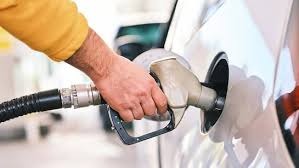

If you’ve visited a petrol pump recently, you might have noticed a new label: E20. While it sounds like a high-tech upgrade, most Indian vehicle owners are scratching their heads wondering what it actually is. Is it just cheaper fuel, or is there a catch?
With the government pushing for greener energy and lower oil imports, E20 is becoming the new standard across India. But before you fill up your tank, let’s break down what this means for your wallet and your engine.
What Exactly is E20 Petrol?
The “E” stands for Ethanol, and the “20” represents the percentage. Simply put, E20 is a blend of 20% ethanol and 80% petrol. Ethanol is a renewable fuel made from sugarcane and food grains. By mixing it in, India aims to reduce its carbon footprint and save billions in foreign exchange.
The Good News: Savings for the Nation and Maybe You
The primary goal of E20 is to bring down the cost of fuel. Ethanol is cheaper to produce than importing crude oil. While the price at the pump might not drop drastically overnight, the long-term goal is to stabilize fuel prices. Plus, it burns cleaner, which is a win for the environment and the air we breathe.
The “Catch”: Will It Harm Your Engine?
This is the part that worries most car and bike owners. Ethanol is essentially alcohol, and it has a “hygroscopic” nature meaning it attracts moisture. Here’s what you need to watch out for:
Corrosion: In older vehicles not designed for E20, the ethanol can eat away at rubber seals, plastic parts, and even cause rust in the fuel tank over time.
Lower Mileage: Ethanol has less energy than pure petrol. You might notice a slight dip (around 3-5%) in your vehicle’s fuel efficiency.
Startup Issues: If you leave E20 petrol in your tank for a long time without driving, the water absorption can lead to starting problems.
Is Your Vehicle Compatible?
If you bought your car or bike after April 2023chances are it is “E20 Compliant.” Manufacturers have upgraded the fuel lines and engines to handle the higher ethanol content. However, if you have an older model, you should check your owner’s manual or look for an E20 sticker near the fuel cap.
The Bottom Line
E20 is the future of Indian roads. While it helps the environment and the economy, owners of older vehicles need to be a bit more vigilant about maintenance. For those with newer “flex-fuel” ready vehicles, it’s a smooth ride ahead.
Read More: The E20 Petrol Mystery Is This Cheaper Fuel Actually Killing Your Car Engine

Comments are closed.