
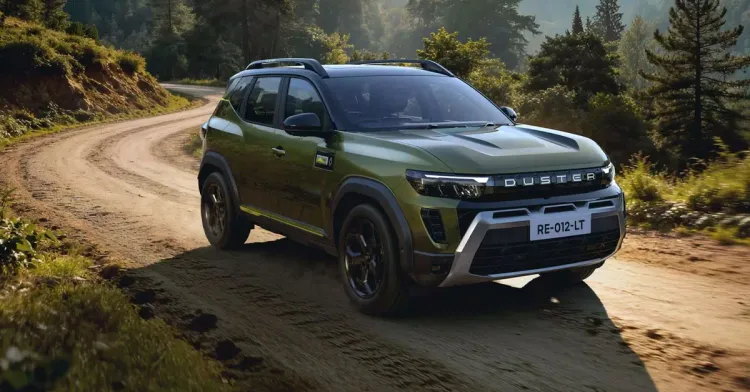

The highly anticipated third generation Duster is gearing up for a market comeback locally this March. While buyers are eagerly waiting for the price announcement, the global equivalent sold under the Dacia badge has just received a remarkably complex mechanical update.
The manufacturer introduced a brand-new all-wheel drive powertrain for the international Duster and its larger sibling, the Bigster. Dubbed the hybrid G 150 4×4, this setup brings together an internal combustion engine, liquid petroleum gas compatibility, and an electrified rear axle.
A Complex Mechanical Setup
At the heart of this system is a split power delivery method. The front wheels are driven by a 1.2 litre internal combustion engine that produces 140 horsepower and 230 Nm of peak torque. The rear wheels get their power exclusively from a dedicated electric motor generating an additional 31 horsepower and 87 Nm of torque. Working together, the entire system delivers a combined output of 154 horsepower.
For the first time on this model, the combustion engine is paired with a six-speed dual clutch automatic transmission that can be controlled via steering wheel paddle shifters. The electrical energy comes from a compact 48-volt, 0.84 kWh lithium-ion battery pack that self-charges through regenerative braking. This efficient battery holds enough charge to let the SUV run purely on electric power for up to 60 percent of the time during typical city driving.
Dedicated Rear Gearbox
What makes this powertrain truly stand out is how the rear electric motor manages power. Instead of a simple direct drive setup, the rear motor on the Duster is linked to its own two speed gearbox featuring a dis-engageable clutch. The short first gear is engineered strictly for low-speed operations, delivering instant torque to the rear wheels to help the vehicle climb steep inclines and tackle difficult off-road terrain.
Once the vehicle picks up pace, the system automatically shifts into the taller second gear. This provides continuous electric assistance and motor braking at speeds up to 140 kmph. If the driver is cruising on a flat highway where all wheel drive grip is unnecessary, the rear clutch completely disengages. This physical disconnect shifts the SUV into a pure front wheel drive mode, eliminating mechanical drag from the rear axle and improving overall fuel efficiency.
The Bi-Fuel Range Advantage
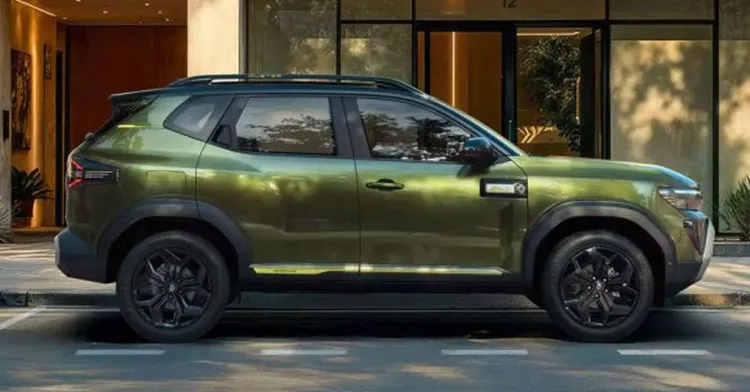
Another unique element of this 4×4 system is its factory fitted bi fuel capability. The vehicle is equipped with two completely separate fuel tanks to maximize driving distance. It carries a standard 50 litre petrol tank alongside an equally large 50 litre liquid petroleum gas tank. By utilizing both fuels, the international Duster claims a massive driving range of up to 1500 kilometres without needing a single refill.
Why We Might Miss Out
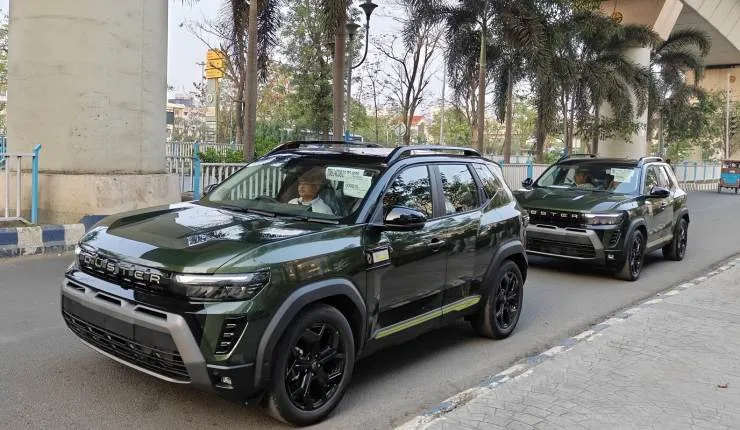
While this technology sounds incredibly versatile, it is highly unlikely to reach our shores. The new Duster is officially set to launch locally on March 17, with expected prices ranging from Rs 10 lakh for base variants up to Rs 20 lakh for fully loaded models. The local line-up is already confirmed to feature a conventional turbo petrol engine and a different 1.8 litre strong hybrid system producing 163 horsepower.
Bringing the complex hybrid G 150 4×4 system here would drastically inflate the final showroom price, pushing the vehicle past its direct rivals in the competitive mid-size SUV segment. Furthermore, packaging a dual clutch automatic, a rear electric motor, and two massive fuel tanks requires structural adjustments that would complicate local manufacturing. Local buyers looking for the new Duster will have to settle for standard front wheel drive setups when the vehicle hits dealership floors.

Comments are closed.