


Tata Motors is heavily focusing on the entry-level electric vehicle segment to drive volume, and a key part of this strategy is expanding its Battery-as-a-Service offering. After introducing this battery-rental model with the recently updated Punch EV, the carmaker plans to extend the BaaS option to other affordable electric cars, including the Tiago EV, over time. The primary goal is to lower the high up-front acquisition cost, which remains the single biggest hurdle for buyers looking at budget electric cars today.
The underlying math driving this pricing decision is straightforward and based on overall market demand. The sub-Rs 12 lakh passenger-vehicle segment is massive, accounting for nearly 65 percent of overall car demand. Over three million vehicles are sold annually in this specific price bracket.
Yet, electric vehicle penetration in this exact space is a dismal 1.5 percent. This is a sharp contrast to cars priced above Rs 12 lakh, where EV adoption is a much healthier 10 percent. For Tata Motors, cracking the affordable segment is crucial because EVs will not become mainstream unless budget-car buyers make the switch.
The Twin-EMI Reality
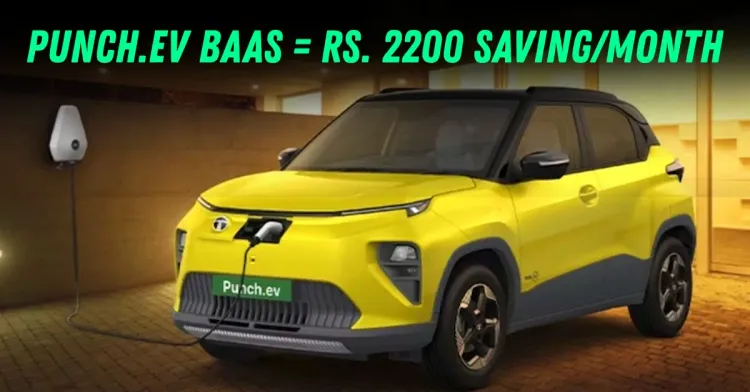
With the refreshed Punch EV, Tata Motors essentially laid out the blueprint for how it plans to tackle this pricing problem. The standard vehicle is priced at Rs 9.69 lakh, ex-showroom in Mumbai.
However, buyers who opt for the BaaS structure can acquire the car at a significantly lower starting price of Rs 6.49 lakh. The catch is a battery-usage charge of Rs 2.6 per kilometre, which is paid separately.
While this creates an attractive sticker price on paper, the actual adoption of the BaaS model is currently very low. Shailesh Chandra, managing director of Tata Motors Passenger Vehicles Ltd and Tata Passenger Electric Mobility, clarified the reality of the scheme.
He pointed out that BaaS operates as a twin-EMI structure rather than a traditional service, and right now, only about 2 to 3 percent of buyers are choosing this route.
Despite the low initial uptake, offering the choice allows showroom footfalls to increase, as customers can directly compare the total cost of ownership with petrol or CNG alternatives before making a final purchase decision.
Volume Expectations And Future Plans
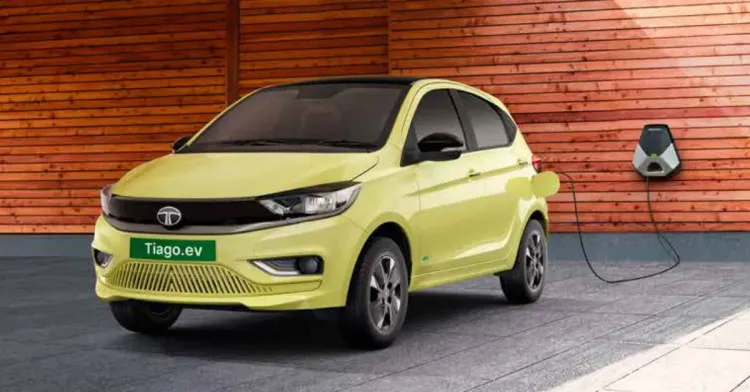
Expanding BaaS to the Tiago EV makes sense given the extreme price sensitivities of hatchback buyers. The overall passenger-vehicle market currently has an EV penetration of 4 to 5 percent, and Tata Motors continues to lead this space.
However, growth in the entry segment is stalled by tight price points, limited tax arbitrage, and the consumer demand for a high real-world range even on a tight budget. Providing a lower entry price through battery rentals is seen as a necessary workaround.
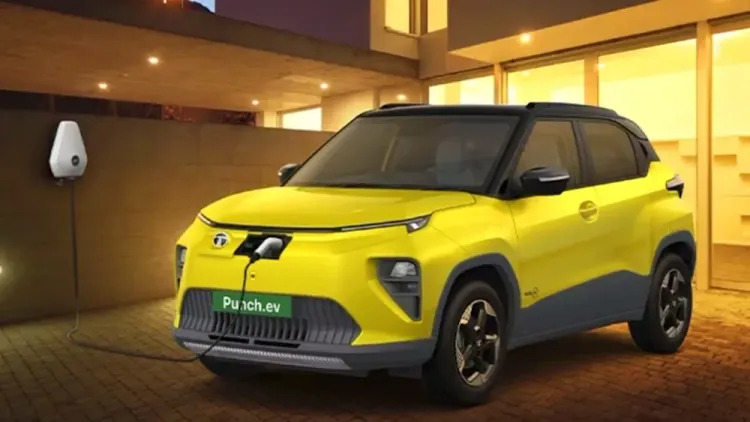
Currently, the Punch EV clocks around 1,500-to-1,800-unit sales a month. The company expects this number to jump by 30 to 40 percent following the recent refresh and the new pricing structure.
Moving the BaaS model to other cars is a calculated bet to replicate this expected sales bump across the entire entry-level portfolio. By separating the battery cost from the car, Tata Motors is essentially trying to match the up-front price of an electric car directly with its petrol counterpart.
This battery-rental strategy comes at a time when competition in the affordable EV space is intensifying rapidly. Buyers in the sub-Rs 12 lakh segment are highly value-conscious, and the traditional model of paying a heavy premium for the battery is proving difficult to scale.
Rolling out BaaS to more models is the company’s immediate, practical solution to break the pricing deadlock and get a larger number of entry-level electric cars on the road. Furthermore, maintaining high EV volumes in the budget segment will help the carmaker easily meet tightening Corporate Average Fuel Economy norms in the future.
Via BusinessStandard

Comments are closed.