
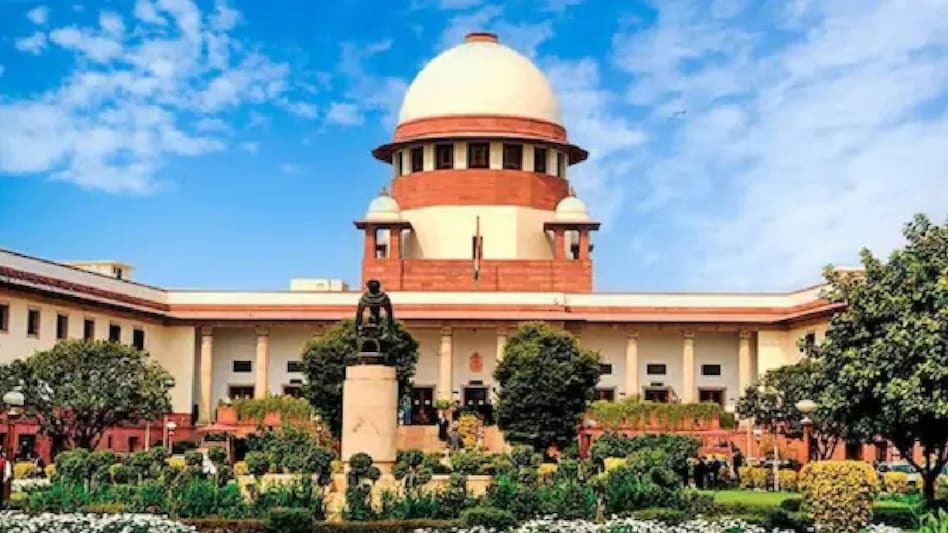
Supreme Court on Maintenance: Borrow or beg, give money to wife Supreme Court got angry when husband told her salary of 9 thousand

News India Live, Digital Desk: During court proceedings, husbands often try to show less income so that they have to pay less alimony. But the Supreme Court has made it clear in a similar case that it is the legal and moral responsibility of the husband to feed his wife and children, from which he cannot escape by making the excuse of ‘low earnings’. What is the matter? (12,000 vs 9,000) A lower court had ordered the husband to pay Rs 12,000 every month as alimony to his wife. The husband approached the Supreme Court against this order and argued: Husband’s claim: He works as a daily wage laborer and earns only Rs 325 a day. Salary argument: He told the court that his total monthly income is around Rs 9,000, so how can he pay Rs 12,000? Supreme Court’s sharp comment: “Impossible and unbelievable” Justice Vikram Nath and Justice Sandeep Mehta’s bench expressed strong objection to this claim of the husband. The main points of the court were as follows: Argument of minimum wage: The court said that in today’s time no company pays less than the minimum wage. The claim of earning Rs 9,000 is not acceptable. “Beg or borrow”: Justice Mehta said in a strict tone that it is your responsibility to maintain your wife. For this, you will have to raise money from somewhere – whether you have to borrow or do something else. Warning of summoning the company: When the husband took the name of his company (Hindustan Auto Agency), the court asked to summon the company itself to find out why they were paying such a low salary. “Keep the wife with you or pay the expenses.” The bench also gave a practical suggestion that if the husband is unable to pay the maintenance, then he should keep his wife with him with respect. He needs it so that he can stay at home and does not need to spend separately. However, the husband alleged that the wife had also made complaints against his parents, which the court did not consider as a ground to avoid the responsibility of maintenance.

Comments are closed.