
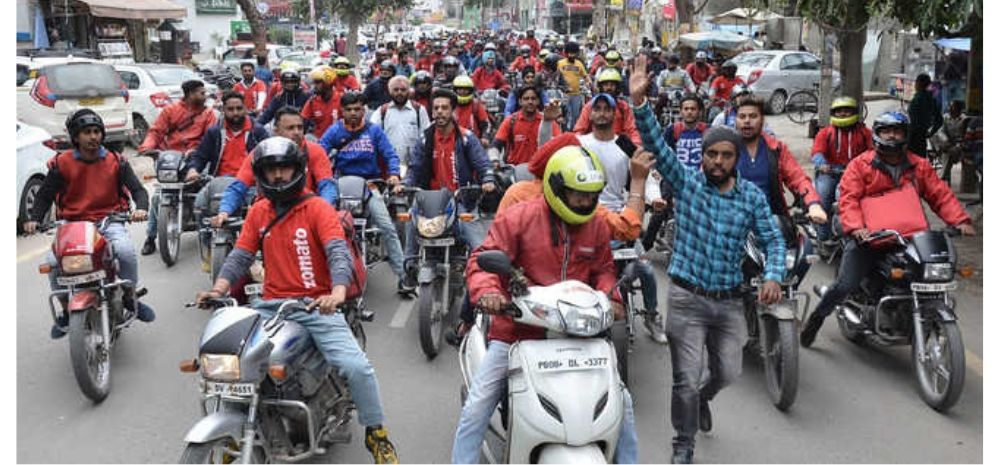

The Government of India has announced that it will not introduce a stand-alone law for gig workers — despite years of debate and demands from worker groups. Instead, officials revealed that a statutory Welfare Board dedicated to gig economy workers will be constituted to provide social security, benefits and welfare measures to millions of people engaged in platform-based work across the country.
This decision is part of the government’s evolving approach to the rapidly growing gig economy, which includes app-based delivery partners, cab drivers, freelance workers and other digital platform-enabled labour. The announcement aims to offer a practical mechanism for support without creating an entirely new legal framework.
No Separate Gig Workers Law — What Govt Says
The government clarified that after consultations with stakeholders — including industry representatives, worker unions and labour experts — it decided against a new gig workers law. Officials said that existing laws, combined with the proposed Welfare Board, are sufficient to protect worker interests while avoiding duplication or complexity in the regulatory framework.
According to authorities, the Welfare Board will help streamline various benefits, grievance mechanisms and insurance coverages that apply to gig workers. The focus is on practical, implementable solutions rather than introducing an entirely new legal code for gig economy employment.
What the Gig Workers Welfare Board Will Do
The proposed Gig Workers Welfare Board will be constituted under existing labour law provisions and is expected to perform the following functions:
- Social security and insurance: Facilitate access to insurance schemes covering accidents, health issues and disability for gig platform workers.
- Grievance redressal: Provide a forum for addressing complaints related to work conditions, payments, unfair practices, and contract disputes.
- Benefits management: Enable gig workers to access wages, compensations, provident fund options, or benefits similar to those available to organised sector employees.
- Skill development support: Help workers receive training and certification that can improve opportunities and mobility.
By centralising these functions within a statutory board, the government intends to offer a structured support system that aligns policy with the realities of platform work.
Why This Is Significant for Gig Economy Workers
Gig workers — including delivery riders, food delivery partners, app-based cab drivers, freelance digital workers and others — currently lack the formal employment protections enjoyed by traditional employees. They typically work as independent contractors, which means they do not automatically qualify for benefits like minimum wages, paid leaves, gratuity or provident fund contributions.
The new Welfare Board is meant to bridge this gap by providing a dedicated institutional mechanism to oversee welfare schemes, ensure rights protection, and act as a coordinating body between workers, platforms and the government.
Reactions from Stakeholders
Worker groups and unions have generally welcomed the focus on welfare but continue to advocate for stronger statutory protections. Many believe that mere welfare boards may not fully address issues like wage security, dispute resolution power or bargaining rights without a stronger legal mandate.
Platform companies and industry bodies have supported the government’s decision, saying that a Welfare Board will allow for flexible, pragmatic execution of benefits without imposing rigid legal frameworks that could stifle innovation or lead to litigation.
What Happens Next
The government is expected to issue detailed guidelines on the formation, composition and functions of the Gig Workers Welfare Board soon. Implementation details — such as eligibility criteria, benefit structures, grievance procedures and funding mechanisms — will be crucial to determine the effectiveness of the board in improving gig workers’ conditions.
This approach reflects a middle path that seeks to balance worker protections with flexibility for digital platforms, signalling a new direction in how India manages labour in the age of technology-enabled work.

Comments are closed.