
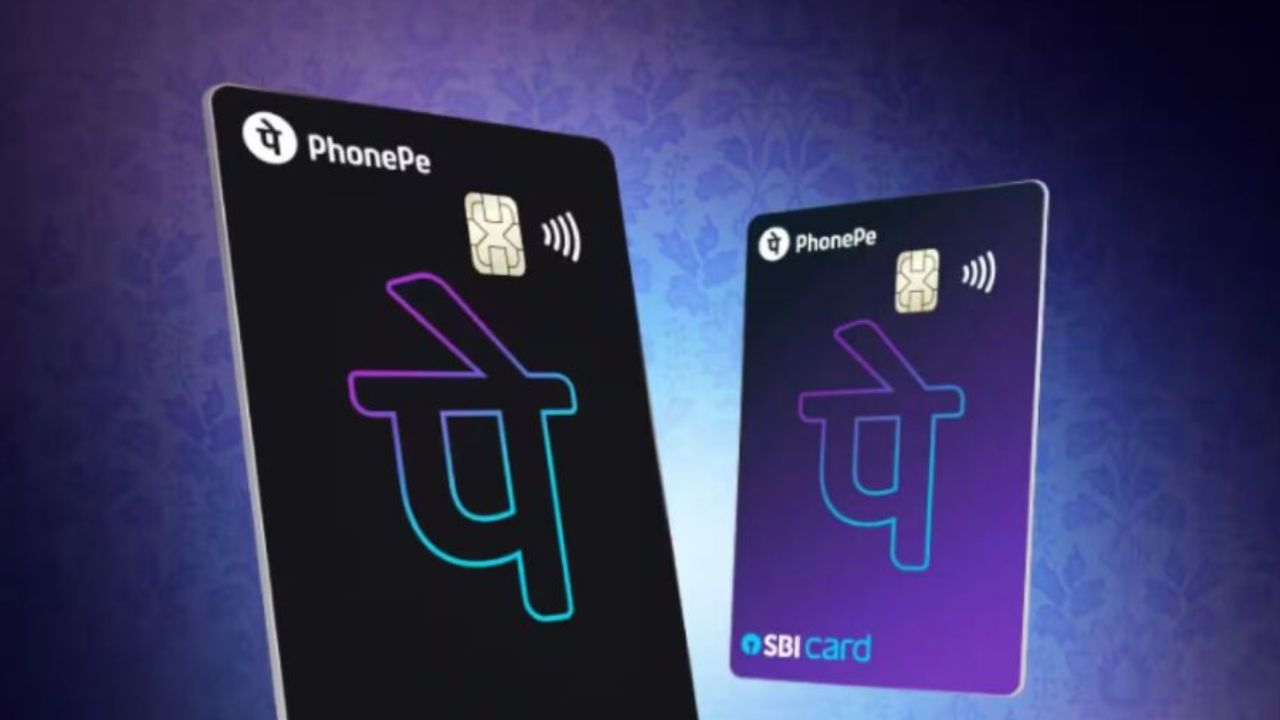
PhonePe co-Branded Card: From bill payments to shopping: How does PhonePe’s co-branded card fit into Indians’ everyday spending?

- From paying bills to shopping:
- How does PhonePay’s co-branded card fit into the everyday spending of Indians?
- How does HDFC Ultimo Card work?
A typical Indian household performs many digital transactions every month like electricity bill, mobile recharge, grocery shopping and online shopping. Until recently, credit cards offered little or no benefit on these day-to-day expenses. The main reason for this is that older traditional credit cards offered rewards mainly on travel (air travel), dining (hoteling) and luxury spending.
Now this picture seems to be changing with the advent of ‘co-branded’ credit cards. These cards are designed keeping in mind where money is actually spent. Phonepay HDFC Ultimo Card This is a perfect example of this. This partnership between PhonePay and HDFC Bank puts local transactions, bill payments and regular purchases at the heart of rewards.
The reality of everyday expenses
A closer look at the family’s monthly expenses reveals a clear pattern. Excluding house rent or EMI, most of the expenditure is on essentials like utility bills (electricity, water, gas), mobile and DTH recharges, internet payments and regular grocery shopping, add the cost of local greengrocers, milk or tea from nearby shops and petrol/diesel. Today, most of these transactions are done digitally, i.e. through UPI or cards.
Yet, these categories have been largely overlooked in traditional credit card rewards. Premium cards still prioritize international travel, dining and luxury spending, while offering little to no cashback on a QR code payment of ₹ 50 or an electricity bill of ₹ 2500. This creates a paradox for many Indians who spend most frequently, with the least benefit.
This difference is evident in daily life. A family spends a lot of money on regular bills and utilities throughout the year, but they get negligible rewards on traditional credit cards. At the same time, these older cards offer higher rewards on select categories, which contribute much less to monthly spending. Those who use the premium benefits are certainly fine, but when the main expenditure of the family is on daily necessities, the reward structure has failed to adapt to the actual spending patterns of Indians.
Amazon India: Amazon’s unique gift to sellers; Zero referral fee on over 12.5 crore products
How does HDFC Ultimo Card work?
The PhonePay HDFC Ultimo Card completely changes this traditional rewards structure by focusing on recurring transactions. The card offers 10% cashback on bill payments made through PhonePay – including water and electricity bills, mobile recharges, DTH subscriptions, broadband bills. For a typical family, this savings over the course of a year on these routine expenses can be huge. This card also offers 1% cashback on all ‘Scan and Pay’ transactions. These are small but recurring expenses such as food, groceries, medicines, etc., which are paid for through QR codes. While these costs may seem small individually, over time the cashback accumulated from these daily transactions is huge. Going beyond everyday necessities, the card also offers 5% cashback on select online brands and domestic airport lounge access. In short, this card balances both regular household payments and occasional lifestyle expenses.
Rewards that suit everyday life
What makes this card unique is that it can be very easily incorporated into your daily routine. It doesn’t require you to remember which category to spend on, spend up to a certain limit or change your habits. You keep earning rewards the same way you pay bills, shop for groceries and pay by scanning at local stores.
This quiet and automatic benefit marks a major shift in the credit card sector in India. With digital payments and UPI being used everywhere, cards like PhonePay HDFC Ultimo are based on ‘real’ transactions rather than just dream spending. This is a sign of a deepening market where financial products adapt to the daily lives of common people and benefit Indians only where they actually spend.
Share Market Crash: Asian markets continue to fall; BSE Sensex fell by 2.20%

Comments are closed.