
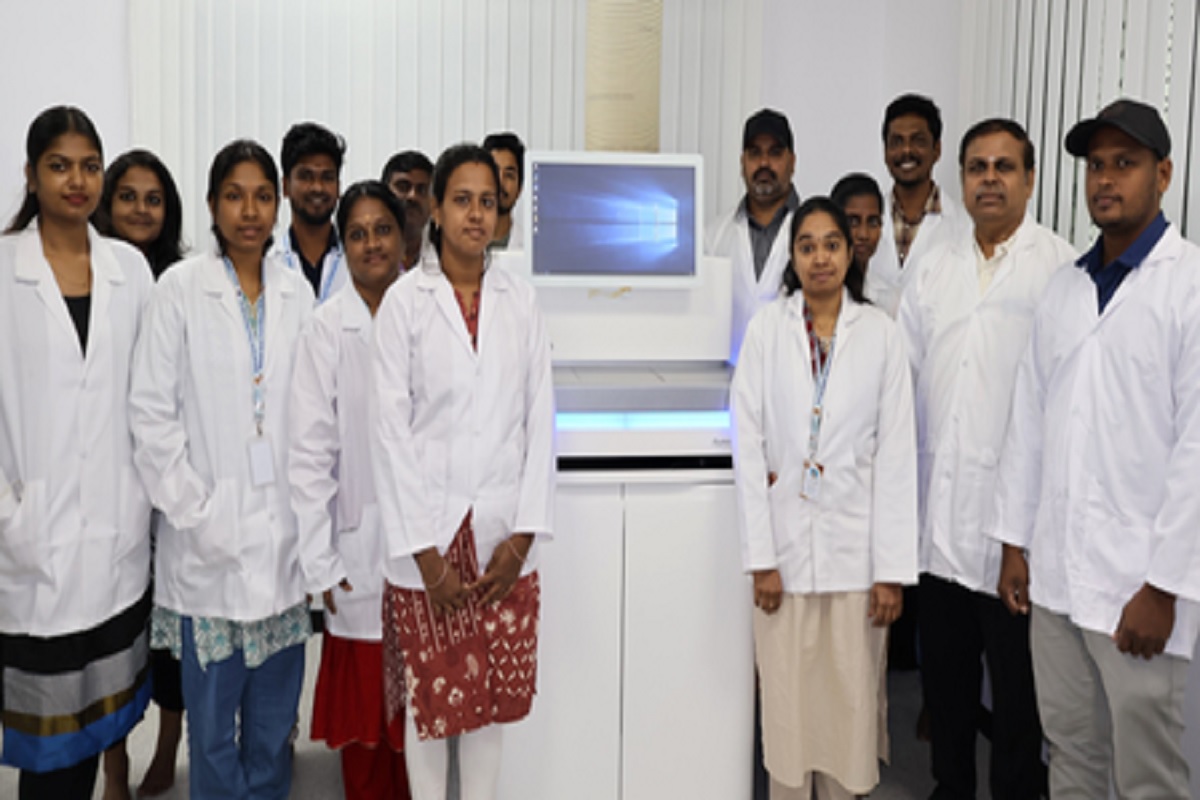

The results of this study show that in 1 out of every 4 Indian breast cancer patients, the cause of the disease is hereditary genes. This research by IIT shows that breast cancer in India is not just a matter of age or lifestyle. Hereditary genes play a role in a large number of cases.
If the correct gene is detected in time, prevention of the disease is possible. Treatment can be more precise. Other family members can be alerted in advance. This study is being considered a big step towards precision medicine in India.
This research of IIT says that if a hereditary gene variation is found in a patient, then his siblings, children and other relatives may also have the same risk. According to researchers, in such a situation the rest of the family can be examined in time.
Another surprising thing has come to light in this study: that more than 21 percent of the patients have gene changes that are associated with heart disease, artery problems or other serious conditions. About 8 percent of people turned out to be carriers of genetic diseases that can be passed on to children. This means that a comprehensive gene test can detect not just cancer, but other potential diseases as well.
In this research, germline DNA was examined from the blood of 479 breast cancer patients. Germline means the genes that are passed from parents to children. That is, it was determined whether the disease was solely due to lifestyle or age, or genetic risk inherited from the family was also involved.
Scientists examined not just one or two but a total of 97 different genes. Till now, most of the investigations in India were limited to only BRCA1 and BRCA2 genes, but this time the picture turned out to be much bigger. Researchers believed that focusing only on BRCA is not enough.
According to the report, dangerous gene variations were found in 24.6 percent of the patients. BRCA1 or BRCA2 were responsible for only 8.35 percent of cases. That means in about 67 percent of the cases the disease was linked to another gene. In 11.9 percent of patients, genes that are related to the body’s DNA repair system were affected.
To put it simply, if a woman is only getting the BRCA test done, she may miss a large portion of the real risk. Research found that some patients had such gene variations due to which common chemotherapy drugs can cause serious side effects in the body.
That is, if the gene is known in advance then the quantity of the medicine can be changed. Alternative medicine can be chosen. May prevent fatal side effects. This can make treatment more safe and personalized.
According to IIT, the most important thing that came to light was that there were many gene variations which are rarely or not found in other countries of the world. That means the genetic makeup of Indians is different. Therefore, there is a need for a separate gene database for India.
Guidelines for treatment and testing should also be made according to the Indian population. In such a situation, it would not be right to completely depend on foreign data. After this research, experts say that instead of testing limited to BRCA, multi-gene panel test should be promoted. Gene policy should be prepared at the national level. Comprehensive gene testing should be accessible even in government and private hospitals.
The truth of fifty years old relationships in ‘Jab Khuli Kitab’!

Comments are closed.