
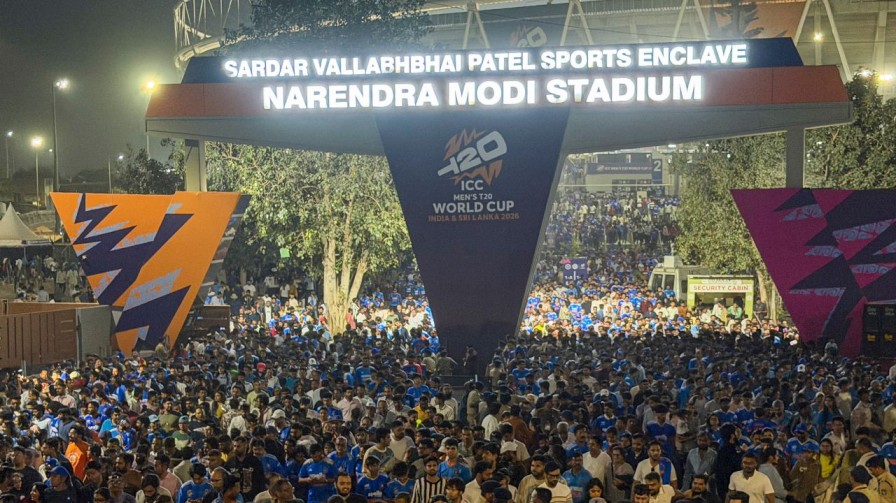

Hosting a major sporting event is not just about sports, it is also a big financial decision. In a popular sport like cricket, tournaments like the ICC Men’s T20 World Cup 2026 attract millions of viewers across the world. Therefore, it is natural to raise the question that how much economic benefit does a country actually get from hosting the World Cup and whether these benefits outweigh the huge expense of hosting the event.
World Cup revenue can be divided into two parts, first is direct revenue and second is indirect revenue. Direct revenue includes revenue from ticket sales, broadcast rights and sponsorships. Indirect revenue includes revenue from tourism, hotel industry, transportation and local business.
Also read: Pakistan upset by the defeat, now will it charge a fine of Rs 50 lakh from the players?
Direct revenue from tickets and broadcast
Ticket sales generate considerable revenue during the tournament, especially for big matches such as the semi-finals and finals. Broadcast rights also generate a lot of revenue. However, this revenue is divided between the International Cricket Council (ICC) and the member nations according to a revenue model. The host country gets a portion but not the entire amount. On-field advertising, ground branding and official sponsorships also provide major sources of revenue.
Promotion of tourism and local economy
The biggest impact of the World Cup is visible on the tourism sector. The arrival of foreign and domestic visitors boosts hotels, restaurants, taxi services and retail markets. Hotel bookings in match cities become almost full and demand for air travel increases. Local businesses and temporary jobs also benefit from this. Many economic studies have found that large sums of money circulate in the local market during such events.
Also read: India should correct these 4 mistakes before the semi-finals, otherwise it will have to pay a big price.
Infrastructure and brand value
Hosting an event requires investment in stadium improvements, security and transportation infrastructure. If these features are used for a long time, they help in future development. Additionally, a successful event strengthens the country’s global image and can yield long-term benefits in terms of investment and tourism.

Comments are closed.