
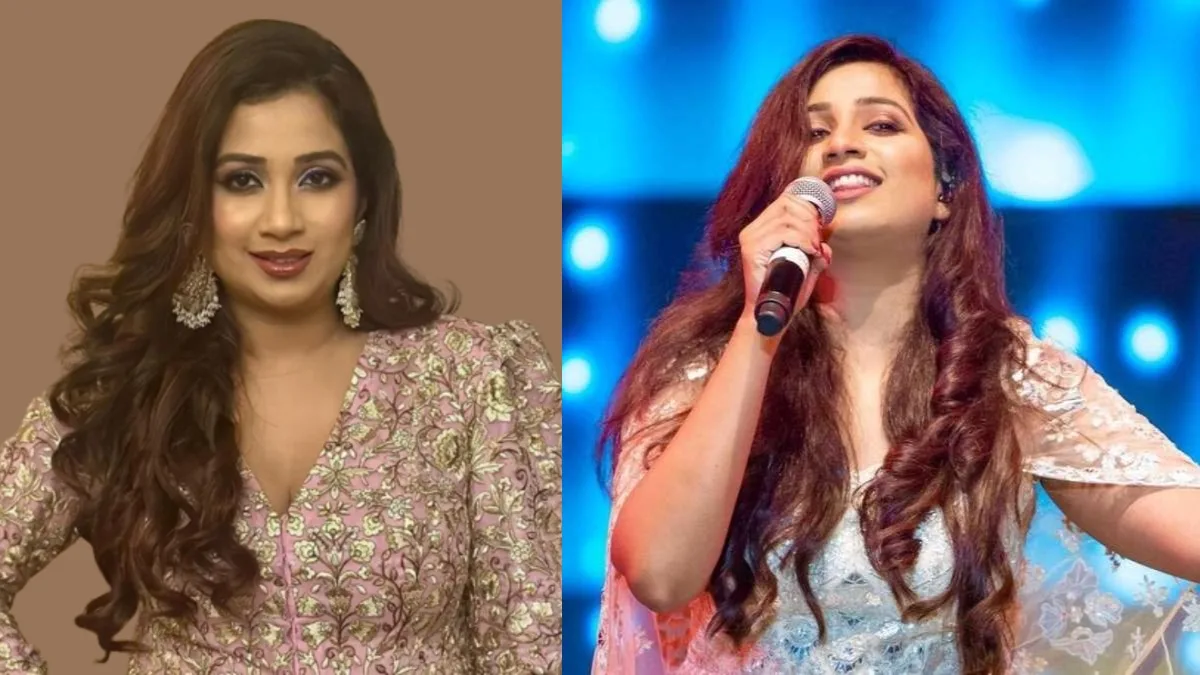
Shreya Ghoshal Says She Will ‘Not Record’ Songs Like Chikni Chameli; Reflects On Evolving Views On Lyrics

Singer Shreya Ghoshal has addressed the renewed discussion around her popular song Chikni Chameli from the 2012 film Agneepath, saying she is not embarrassed about lending her voice to the hit number, even though her understanding of song lyrics and their social impact has evolved over the years.
The song, picturised on Katrina Kaif, became one of the most recognisable dance numbers of the decade. Sung by Shreya Ghoshal and composed by the music duo Ajay-Atul, Chikni Chameli was released in 2011 as part of the soundtrack of the action drama Agneepath. The track itself was a remake of the Marathi folk-inspired song Kombadi Palali from the film Jatra.
In a recent conversation, Ghoshal clarified that while she does not feel ashamed of the song, her perspective on music and lyrics has changed as she has grown as an artist. She said she has fully accepted the track as part of her musical journey and recognises the cultural impact it had.
“I’m not embarrassed. I’ve owned that song,” the singer said while discussing the criticism and debate surrounding item numbers in Bollywood.
Ghoshal also reflected on how her awareness about lyrics and representation in music has developed over time. According to her, when she first recorded Chikni Chameli, she was primarily focused on delivering the performance as a singer and did not analyse the lyrics in the same way she might today.
Also Read: Rashmika Mandanna & Vijay Deverakonda’s Magical Sangeet Night Pictures Winning Fans Hearts
Looking back, she acknowledged that she might not have been mature enough at that time to fully consider the broader implications of such songs. As she gained more experience in the industry, she began paying closer attention to the messages conveyed through lyrics and the way women are portrayed in popular music.
The singer explained that one of the factors influencing her evolving outlook was the way songs are consumed by audiences of all ages. She noted that Bollywood songs do not come with content certifications, meaning children often listen to them without understanding their meanings.

According to Ghoshal, this realisation made her more conscious of the kind of music she chooses to record. She has since become selective about lyrics, particularly when they risk objectifying women or reinforcing stereotypes.
However, she emphasised that her views do not mean she regrets songs from her past. Instead, she sees them as milestones in her career and part of the musical landscape of the time. She also pointed out that artists often grow alongside the industry, reassessing earlier choices as their understanding deepens.
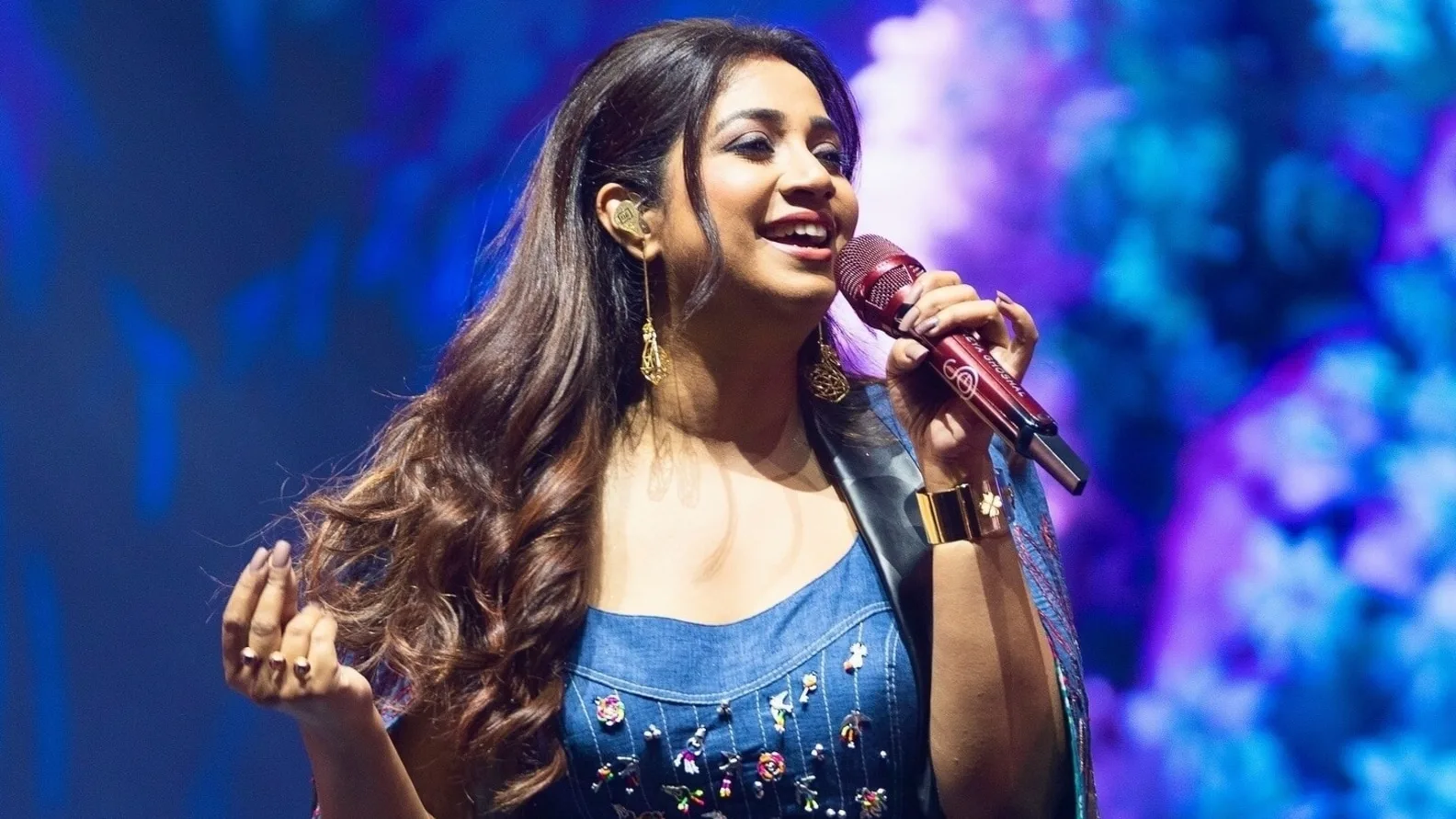
Ghoshal further clarified that her shift in perspective was not triggered by motherhood, as some observers have suggested. Rather, she described it as a natural outcome of personal growth and greater awareness of how art interacts with society.
Despite the debates around item numbers, Chikni Chameli remains one of the most celebrated songs of Ghoshal’s career and earned her award nominations for her vocal performance.
The singer continues to be one of the most prominent voices in Indian playback music, with a career spanning multiple languages and film industries. Her reflections on the song have reignited discussions about artistic responsibility, evolving cultural values and how musicians navigate changing expectations from audiences.


Comments are closed.