
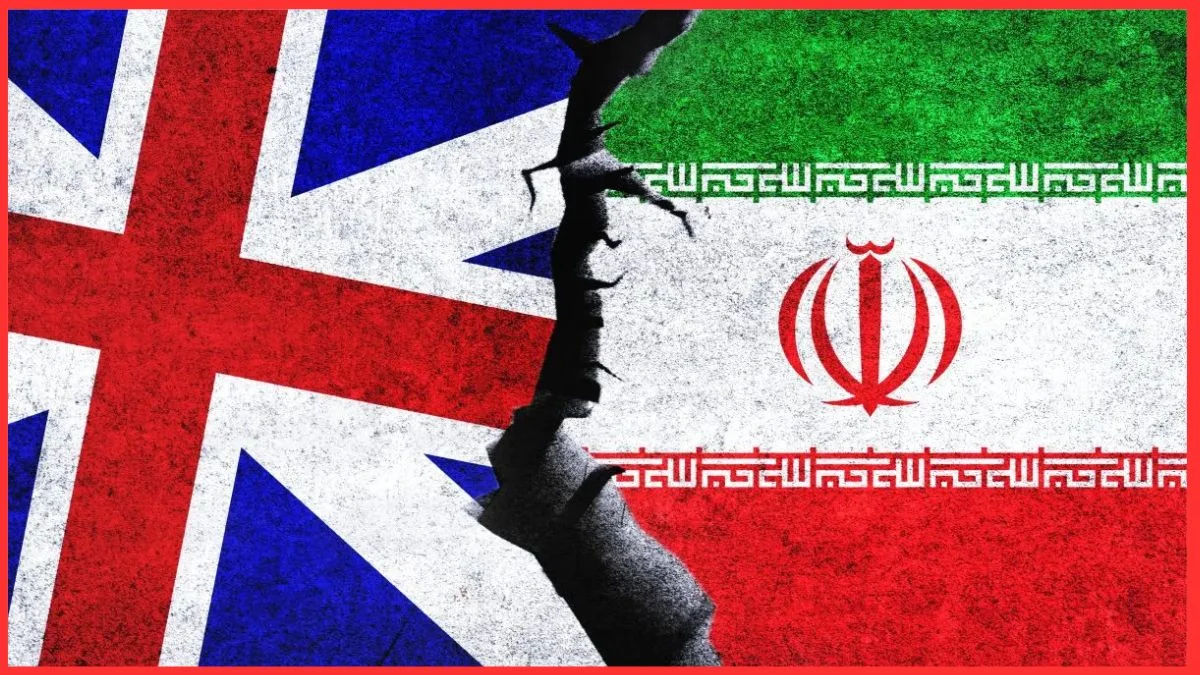

The United Kingdom has formally summoned Iran’s ambassador to London, a diplomatic step that underscores rising international concern over the trajectory of the ongoing U.S.-Iran war. According to an official statement released by the Foreign, Commonwealth and Development Officethe minister for the Middle East, Hamish Falconercalled in Iran’s ambassador to the UK, Seyed Ali Mousavion Wednesday. The British government stated that the move followed what it described as escalatory behavior by Tehran that it assessed could risk drawing the broader Middle East into a wider conflict. The development arrives at a sensitive political moment, as UK Prime Minister Keir Starmer has faced criticism from U.S. President Donald Trump regarding his refusal to authorize the use of British military bases for initial U.S. strikes on Iran. The summoning of the ambassador signals a calibrated diplomatic response rather than an immediate military alignment, indicating that London is seeking to assert its strategic autonomy while maintaining coordination with Washington. For European Union policymakers and Middle Eastern stakeholders, the UK’s action reflects a tightening diplomatic posture without signaling direct entry into active hostilities.
Strategic Implications for the Ongoing U.S.-Iran War and Transatlantic Policy Coordination
The summoning of an ambassador is a formal diplomatic protest and typically represents a serious expression of concern short of severing ties. In the context of the U.S.-Iran war, this development suggests that the UK is attempting to manage escalation risks while preserving channels for state-to-state communication. By publicly attributing regional tensions to what it called Iranian escalatory conduct, London has aligned rhetorically with Washington’s security concerns, yet the reported refusal to permit initial U.S. strikes from British bases indicates a deliberate effort to avoid automatic military entanglement. For the European Union, this posture reinforces a broader regional security calculus centered on de-escalation, maritime stability, and energy security. The UK’s action could influence NATO consultations and EU diplomatic coordination, particularly if conflict dynamics expand beyond bilateral hostilities. While the situation remains fluid, the immediate consequence of Britain’s move is diplomatic signaling rather than battlefield transformation. However, in geopolitical terms, such signaling can shape alliance cohesion, deterrence credibility, and the strategic environment in which further decisions—military or diplomatic—will be made.

Comments are closed.