
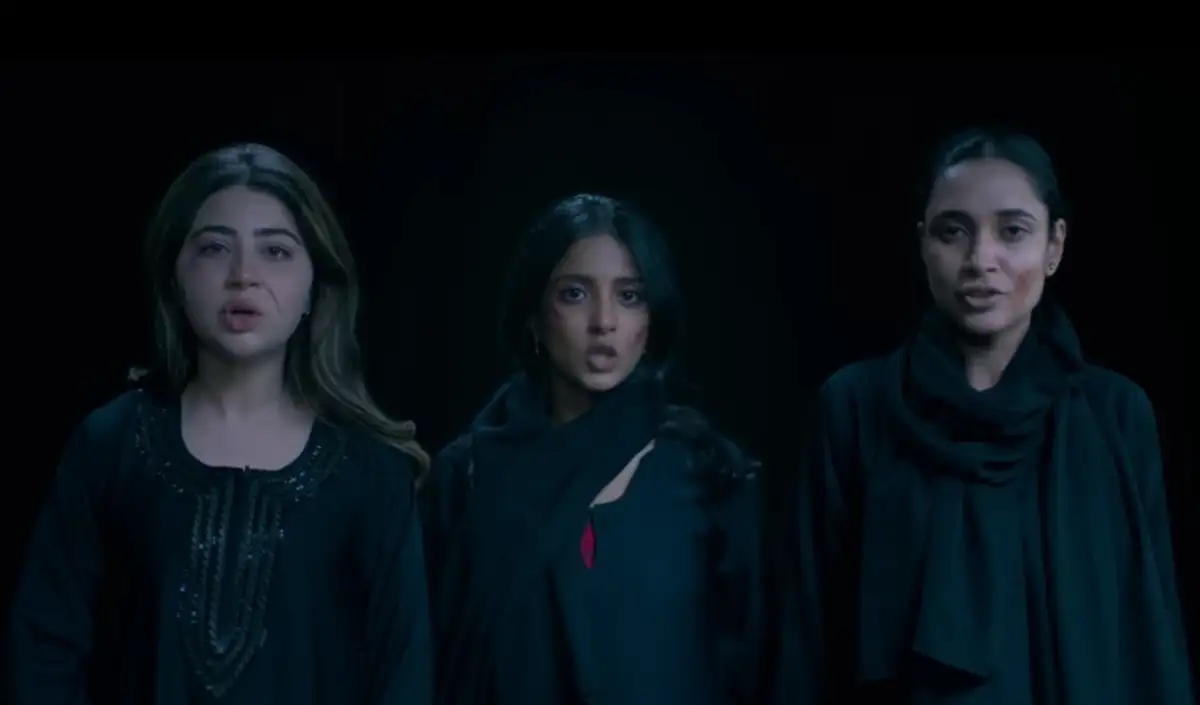

background of the film
When you decide to watch ‘The Kerala Story 2’, it is natural to have some expectations in your mind. However, to think that the film will have sensitivity is probably wrong, especially when it is based on a controversial subject.
Development of the story: from personal to community perspective
‘The Kerala Story’, released in 2023, created a stir in Indian cinema and politics, and now its sequel ‘The Kerala Story 2’ is in theatres. Written by Vipul Amritlal Shah and directed by Kamakhya Narayan Singh, the film appears to be more aggressive and bent towards a certain agenda than the first part.
The first film featured individual stories of conversion of a few young women, while the sequel attempts to establish a larger demographic pattern. The film presents the story of three girls from Kochi, Jodhpur and Gwalior, who get caught in the love trap of Muslim men.
illustration of hatred and fear
The cinematography of the film is designed to instill fear in the audience. Hindu homes are shown full of security and peace, while Muslim settlements are presented in scary and mysterious shadows. The film depicts the humiliation of converted women and their bodies as tools of a ‘mission’.
technical side and acting
The lyrics and background chants written by Manoj Muntashir make the political leanings of the film clear. In such films, there is less scope for ‘layered performance’ for the artists. Ada Sharma and other actresses have tried to bring out the pain of their characters on screen, but the one-sided thinking of the screenplay dominates their acting.
Statistics and Controversy: Reality vs. Fiction
The film is based on the claims of ‘love jihad’ and ‘demographic change’. However, official figures often tell a different story than these claims. According to the 2011 census of India, the Hindu population was 79.8% and the Muslim population was 14.2%.
Cinema or propaganda?
‘The Kerala Story 2’ is a film that seems to be made only with the aim of creating ‘disbelief’. It rushes the audience to a conclusion by taking away their ability to question.
The big question is that when cinema presents an entire community as a mere ‘threat’, what impact will it have on society?

Comments are closed.