
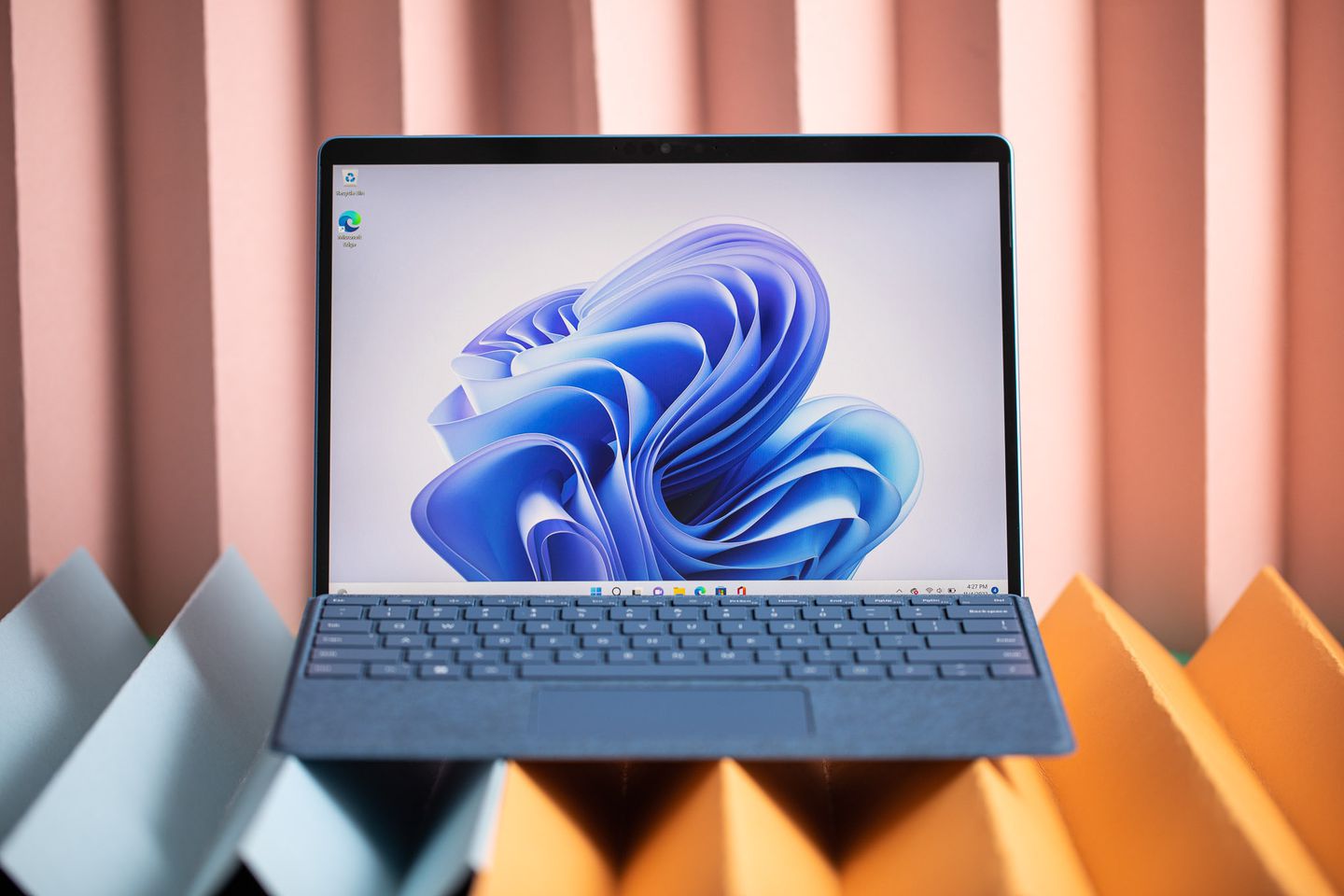

As support for Windows 10 approaches its final stretch, Microsoft is preparing what could be one of the most significant overhauls in the history of its flagship operating system. Reports indicate that Windows 12 may debut as early as this year, ushering in a new chapter defined by artificial intelligence at its core.
The upcoming version, internally referred to as “Hudson Valley Next,” is expected to represent far more than a routine upgrade. Instead, it reflects Microsoft’s broader strategy to reorient its entire ecosystem around AI-driven experiences. From cloud computing to office productivity tools, AI has steadily become central to the company’s vision. Now, that philosophy appears ready to reshape the Windows experience itself.
AI as the Foundation, Not an Add-On
For decades, Windows updates have typically focused on visual refreshes, security enhancements, and performance tweaks. With Windows 12, the shift appears more fundamental. Artificial intelligence is no longer being treated as a side feature or an optional enhancement. Instead, it is expected to form the backbone of how the system operates.
This could affect nearly every interaction users have with their PCs. System search functions may become more intuitive, automatically understanding context rather than relying solely on keywords. File management could grow smarter, organizing documents based on patterns of use. Background processes may optimize performance dynamically, learning how a user works and adjusting resources accordingly.
By embedding AI at the operating system level, Microsoft is aiming to create a computing experience that feels more responsive and personalized. Rather than launching separate applications for AI tools, users may find intelligent features woven directly into everyday workflows.
The move also mirrors broader industry trends. Technology companies across the globe are racing to integrate AI deeply into their products, transforming it from a novelty into a core expectation. For Microsoft, building AI directly into Windows helps ensure it remains competitive in a rapidly evolving digital landscape.
A Modular Windows Experience
In addition to its AI-first approach, Windows 12 is rumored to introduce a more modular architecture. This could mark a significant departure from the traditional one-size-fits-all design of previous Windows versions.
Under a modular model, users may have the ability to enable or disable specific components depending on their needs. Businesses might deploy streamlined versions of Windows optimized for productivity and security. Gamers and creative professionals could activate performance-focused or AI-assisted features tailored to their work. Everyday users might choose a lighter installation that prioritizes simplicity and speed.
This flexibility could also benefit Microsoft from a technical standpoint. A modular system allows updates to be rolled out in smaller, targeted packages rather than sweeping system-wide changes. It may reduce compatibility conflicts and make maintenance more efficient over time.
For consumers, the idea of customizing Windows beyond surface-level settings could be appealing. However, the extent of that customization—and how much control users will truly have—remains to be seen.
The Hardware Question: NPUs Take Center Stage
While the promise of AI-powered features is generating excitement, it is also raising practical concerns. Windows 12 is widely expected to require a dedicated Neural Processing Unit, or NPU, as part of its baseline hardware specifications.
An NPU is a specialized processor designed specifically for AI-related tasks, such as machine learning computations and real-time data analysis. Unlike traditional CPUs or graphics processors, NPUs are optimized to handle AI workloads efficiently while consuming less power.
This hardware requirement echoes the controversy that accompanied the release of Windows 11, which mandated support for TPM 2.0 security chips. At the time, many users discovered that their relatively modern PCs were incompatible, leaving them unable to upgrade without purchasing new hardware.
If Windows 12 follows a similar path with mandatory NPUs, millions of existing computers could be excluded from the upgrade cycle. Although newer laptops increasingly include AI-focused processors, a substantial portion of devices currently in use worldwide do not feature dedicated NPUs.
For consumers and businesses alike, this could translate into additional costs. Companies managing large fleets of PCs may face difficult decisions about whether to accelerate hardware refresh cycles. Individual users, meanwhile, may weigh the benefits of AI enhancements against the expense of replacing otherwise functional machines.
The Clock Is Ticking on Windows 10
The expected launch timing of Windows 12 coincides with the end of extended support for Windows 10. As official updates and security patches wind down, users will need to decide whether to transition to a newer operating system.
While Windows 11 will continue receiving support for several more years, the introduction of Windows 12 could shift attention toward the next-generation experience. Businesses that prioritize security and compliance may feel particular pressure to upgrade, especially if AI-powered tools promise efficiency gains.
At the same time, Microsoft must balance innovation with accessibility. A large and loyal user base relies on Windows for daily tasks, from business operations to education and entertainment. A hardware barrier that excludes too many users could risk alienating part of that audience.

Comments are closed.