
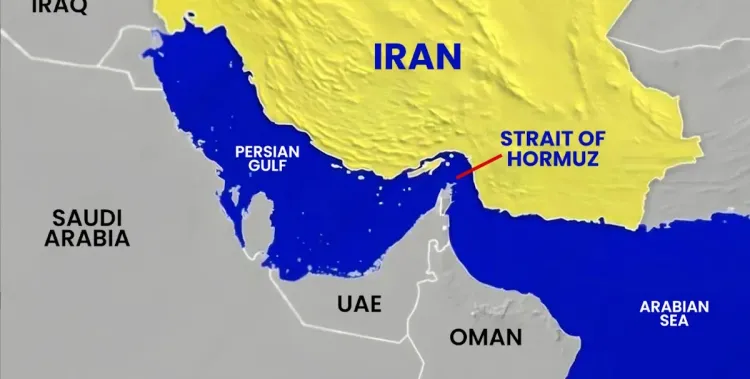

The ongoing conflict in the Middle East has triggered a massive supply chain disruption that is now directly threatening local fuel stations. Recent attacks on shipping routes and export facilities in the Gulf have forced major gas distributors to drastically ration supplies. While the immediate impact has hit the manufacturing sector, the transportation network is highly vulnerable. If the current blockade in the Strait of Hormuz persists, compressed natural gas pumps could soon begin running dry.
The shortage stems from a halt in imported liquefied natural gas. The country consumes roughly 190 million metric standard cubic meters of natural gas per day, with half of this demand met by imports.
Following the suspension of shipments from Qatar, local distributors like Gujarat Gas and Sabarmati Gas enacted a strict 50 percent supply cut to industrial consumers in early March.
While retail city gas networks are currently being prioritized to keep domestic kitchens and transport running, this buffer is entirely dependent on how long the existing reserves last.
The Mechanics Of A Pump Shutdown
A compressed natural gas station operates very differently from a standard petrol pump. Petrol can be stored in underground tanks and dispensed until the tank is physically empty.
In contrast, a gas station relies on continuous, high pressure from the main supply pipeline to push the fuel into a vehicle cylinder. When the overall supply volume in the grid drops, the pipeline pressure plummets simultaneously.
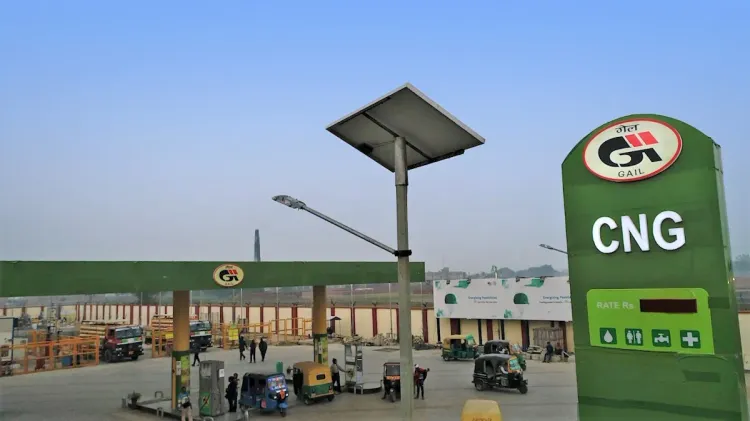
Even if there is residual gas left in the underground network, a lack of adequate pressure makes it impossible to dispense the fuel into a car. With the network expanding rapidly from just 738 stations a decade ago to over 8,600 stations today, millions of daily commuters rely on this constant pressure. Any sustained dip in incoming shipments will immediately result in closed pumps and stranded vehicles, particularly for fleet operators and auto rickshaws that require daily refills.
Why Gas Is Harder To Replace Than Oil
During previous global supply crises, the government successfully pivoted to alternative suppliers like Russia to keep crude oil flowing. However, replicating this strategy for natural gas is practically impossible in the short term due to rigid infrastructure requirements. Crude oil can be loaded onto standard maritime tankers and easily rerouted. Liquefied natural gas requires super chilled, cryogenic processing facilities at both the loading port and the receiving terminal.
The current supply chain is heavily locked into the Gulf region. Between 40 to 50 percent of the total 27 million tonnes of gas imported annually comes directly from Qatar through long term contracts. With the primary shipping route blocked by the conflict, specialized transport vessels cannot safely reach the loading terminals, causing immediate shortfalls that cannot be quickly replaced by other countries.
The Looming Price Shock
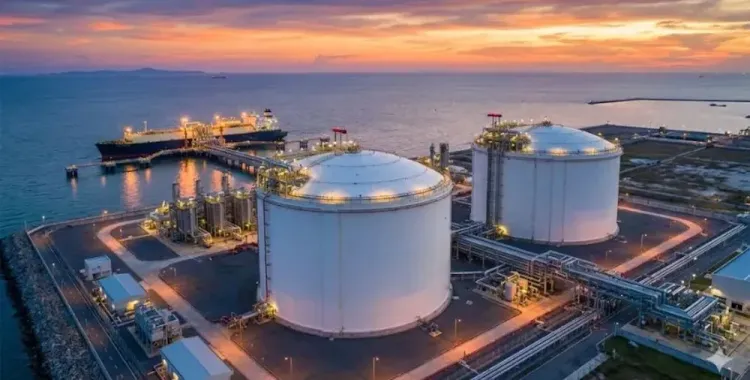
If the contracted shipments from Qatar remain stalled, local distributors will be forced to buy emergency supplies from the global spot market to keep the pumps active. Spot market prices have skyrocketed due to the sudden global panic caused by the war. Purchasing this uncontracted gas is an extremely expensive proposition.
Passing these elevated costs down to the consumer would lead to a severe spike in retail prices. A massive price hike would instantly wipe out the core economic advantage that compressed natural gas currently holds over standard petrol and diesel. For buyers who recently purchased factory fitted CNG vehicles specifically to lower their running costs, this supply disruption presents a double threat of both dry pumps and steep refuelling bills.

Comments are closed.