
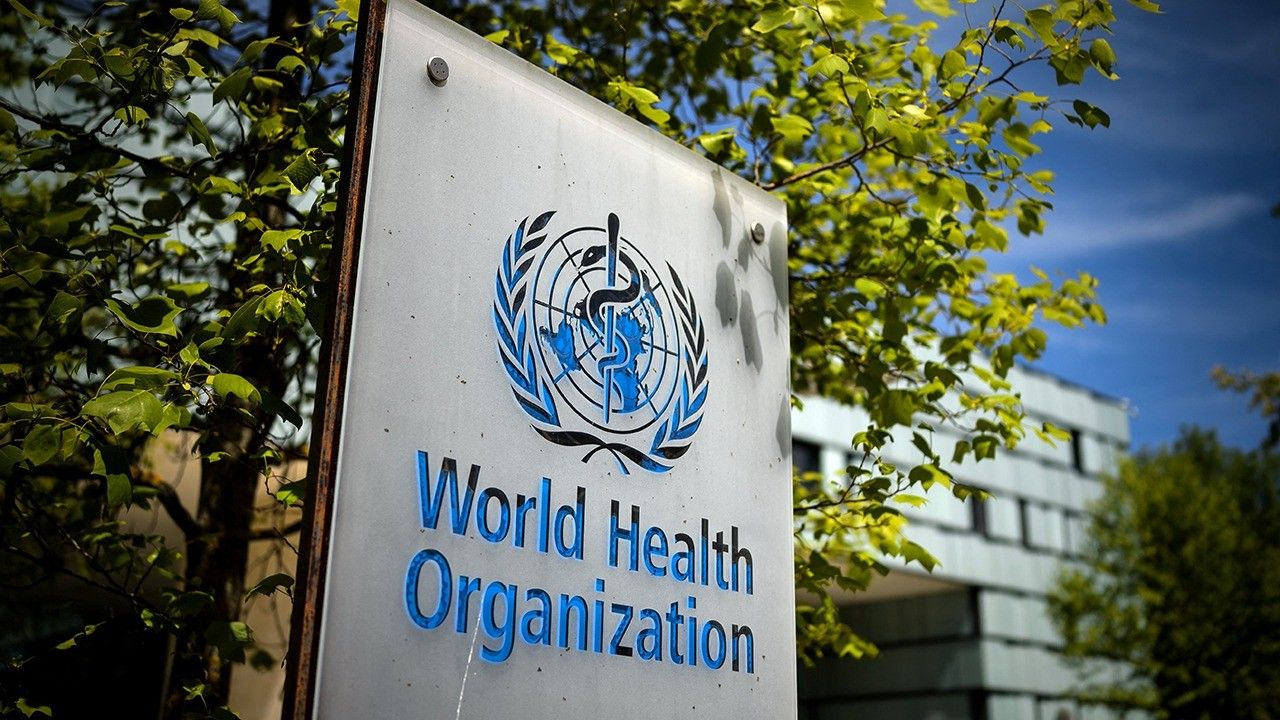

- US exit from WHO
- A big opportunity for public health self-reliance for India?
US Exits WHO Impact on India: Recently, the U.S. Department of Health and Human Services and the U.S. The United Nations has completed the process of withdrawing from the World Health Organization (WHO), the Department of State announced. Because WHO failed to demonstrate independence from undue political influence by WHO Member States. This has forced countries around the world to rethink how international health frameworks influence their domestic public health decision-making processes.
The global health system often ignores national contexts, suffers from difficulties in flexible policy-making, and prioritizes ideology over outcomes. This moment of realignment presents an important opportunity for India to reflect on its long tradition of public health self-reliance. India has historically demonstrated strong public health leadership when decisions are based on local evidence. From expanding access to affordable local generic drugs for HIV/AIDS treatment to organizing the world’s largest vaccination drive through digital platforms like CoWIN, India has succeeded in mapping out health sovereignty.
Tobacco control is a good example of how global policy is shaped by donor preferences. On January 20, 2025, President Trump announced plans for the US to withdraw from the WHO. During this year-long process, the WHO stopped receiving funding from its largest donor, allowing philanthropic organizations such as Bloomberg Philanthropies and the Bill & Melinda Gates Foundation to support specific health agendas. This centralization of influence has led to a renewed debate over whether global frameworks adequately represent the diverse needs of the global South.
India’s tobacco policy landscape is a reflection of what global imbalances actually look like. With more than 267 million users—many of whom rely on smokeless or informal products—India has the world’s largest and most diverse tobacco-using population. Over the past decade, India has adopted policies on tobacco control within the framework of the WHO, which can be argued to be more external alignment than local evidence.
Indian consumers waste 10.8 hours per year, 44% willing to switch brands; Shocking report by ‘ServiceNow’
As part of WHO compliance, India banned smoking alternatives under the “Prohibition of Electronic Cigarettes Act (PECA) in 2019, without any independent domestic research assessing comparative risks, and without a growing body of international scientific evidence distinguishing these products. As a result, adult smokers in India lack regulated, scientifically evaluated alternatives—depriving them of genuine harm-reducing products.” And their freedom of choice is limited. This void fosters illegal markets and holds back public health benefits.
Dr. Lancelot Mark Pinto, Consultant Pulmonologist and Epidemiologist, p. D. Hinduja Hospital and Medical Research Center said “Health policy should be data-driven, taking into account local preferences, cost-effectiveness and societal norms. Simple solutions like ORS, without pharma-lobbying or vested interests, probably save more lives than many drugs and are a good example of how local solutions should be prioritized. Comprehensive bans deprived existing smokers of safer alternatives and were not based on science. Funding and knowledge from WHO will be lost, but This is an opportunity for us to enhance local research and drive the results of that research into policy.”
Prof. Dr. Constantinos Farsalinos, a cardiologist and researcher in the most cited harm reduction research in Greece, said that “there are still 1.2 billion smokers in the world today, and it is a serious case that large countries like India and Brazil are denied the opportunity to participate in risk reduction policies and deny smokers the right to less harmful alternatives. This has nothing to do with science, because the science is very clear. And it raises ethical questions as to why smokers are not given what they need and deserve.”
As the broader international environment evolves, India has an opportunity to reassert a paradigm of health sovereignty based on scientific assessment, the specific local realities of populations and the right of adults to access less harmful alternatives. Strengthening domestic research, modernizing regulation and enabling structured stakeholder engagement will be key to creating a public health pathway that reflects India’s needs.
Women’s Day : Research of Home Credit India specially for women! New identity as ‘Quiet Financial Revolutionaries’

Comments are closed.