
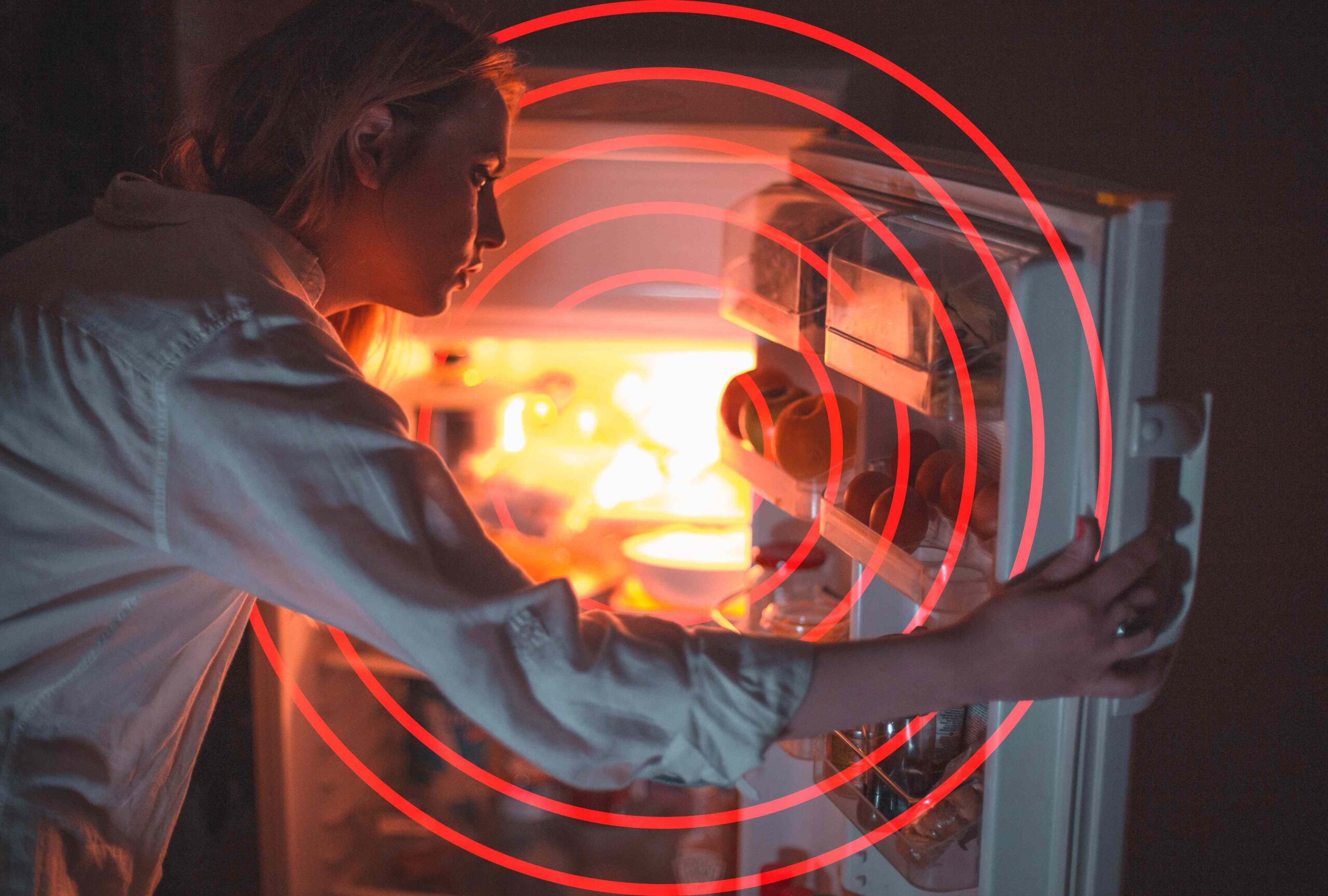

Trying to lower cholesterol? Dietitians say snacking at this common time of day may work against your heart-health goals.
Reviewed by Dietitian Kelly Plowe, M.S., RD
Key Points
- Late-night snacking can negatively affect your total and LDL cholesterol levels.
- Snacking at night is not aligned with your circadian rhythm, which affects fat metabolism.
- Choose heart-healthy snacks like prunes, nuts and berries, and enjoy snacks earlier in the day.
If you’re working to lower your cholesterol, you’ve likely focused on what you’re eating: cutting back on saturated fat, adding more fiber and choosing heart-healthy fats. But there’s another piece of the puzzle that often gets overlooked: when you eat.
“Snacking is not bad by itself, but it can affect cholesterol depending on what you eat, how much and when you eat,” says preventative cardiology dietitian, Michelle Routhenstein, M.S., RD, CDCES, CDN. While a well-planned snack can help stabilize blood sugar and curb overeating at meals, mistimed snacking—especially late at night—may work against your heart health goals.
Three dietitians discuss why timing matters, the worst time to snack and how to snack smarter.
Why You Should Skip Late-Night Snacking
Late-night is the worst time to snack if you have high cholesterol. “Snacking affects cholesterol most when it conflicts with your body’s natural metabolic rhythm,” explains Routhenstein. Research shows that snacking late at night is associated with higher total cholesterol and low-density lipoprotein (LDL) cholesterol, even when daily calorie intake is the same, Routhenstein shares.,
Internal clocks based on circadian rhythm condition fat and carbohydrate metabolism to be more responsive earlier in the day. “Nighttime eating doesn’t align with this rhythm, which can result in less efficient fat breakdown and a greater tendency for fats to be stored rather than used for energy,” says Routhenstein. When your body is less efficient at metabolizing carbohydrates and fats, it’s less effective at using them, increasing the risk for developing metabolic conditions, such as high cholesterol.,
Food choice may be another factor contributing to the effect of late-night snacking on cholesterol. “People tend to snack on less nutrient-dense foods later in the night vs fruits, veggies and whole grains,” says Lauren Manaker, M.S., RDN, LD. These less nutrient-dense foods may be higher in added sugar, refined carbohydrates or saturated fats, components that can affect cholesterol levels.
So if late-night is the worst time to snack, when is the best time? Research shows that shifting your calories to earlier in the day may be more effective for managing cholesterol, as this time better aligns with your circadian rhythm.,
Heart Healthy Snacking Tips
There are many benefits to snacking for heart health, as snack time is a great opportunity to add nutrient-dense, heart-healthy foods to your diet.
Plan Ahead
Planning snacks allows you to make better food choices aligned with your health goals, such as cholesterol management. “Well-timed snacks can reduce hunger before main meals, helping lower overall calorie intake and the tendency to choose high‑fat foods in large quantities,” shares Routhenstein.
Snack on Soluble Fiber
When choosing a heart-healthy snack, look for foods that are high in soluble fiber, rich in antioxidants, low in saturated fats and added sugars and that contain healthy fats, explains Manaker.
Soluble fiber is a key nutrient to include in a heart-healthy snack. “Soluble fiber binds cholesterol in the gut, helping it be excreted rather than absorbed, which helps lower LDL cholesterol,” says Routhenstein.
Include Healthy Fats
Routhenstein recommends looking for snacks that contain unsaturated fats, such as mono- or polyunsaturated fats. Mono and polyunsaturated fats help make HDL more functional, which lowers LDL when they replace saturated fats in the diet, she explains.
Snack Ideas for High Cholesterol
“Smart snacking can be a tool for lowering cholesterol, especially when it helps you add fiber, healthy fats and plant foods you’d otherwise skip out on,” says Kiran Campbell, RDN. Next time you’re in the mood for a snack, try one of these options that support cholesterol management.
- Prunes topped with nut butter or stuffed with blue cheese. Prunes are a good source of fiber and phenolic compounds, which provide health benefits. “ Eating five to six prunes daily can raise HDL “good” cholesterol, reduce inflammation and increase antioxidant capacity,” says Manaker.
- Unsalted nuts. Research suggests that adding nuts to the diet improves blood lipids, specifically reducing the number of total and harmful, small, dense LDL particles. Moreover, adding nuts to the diet may improve HDL function, providing further heart-healthy benefits.
- Hummus and vegetables. Campbell recommends snacking on hummus and vegetables. Try a mix of colorful vegetables for a variety of antioxidants. According to one study, a higher intake of antioxidant-rich foods is inversely associated with hyperlipidemia, as antioxidants help limit damage to arteries caused by harmful reactive oxygen species.
- Plain strained (Greek-style) yogurt with berries and chia seeds. Strained yogurt provides protein for satiety, while berries and chia seeds are packed with fiber to support healthy cholesterol levels, says Campbell. Chia seeds are 40% fiber, making them an excellent addition to any snack to help with cholesterol management.
- Oatmeal with unsweetened soy milk. Campbell recommends snacking on oatmeal with unsweetened soy milk. Oats contain beta-glucan, a type of fiber known to reduce cholesterol. Eating three grams of beta-glucan daily—the amount in a cup of cooked oatmeal—reduces total and LDL cholesterol. Polyunsaturated fats in soy milk and soy proteins further contribute to this snack’s cholesterol-reducing benefits.
Our Expert Take
Snacking itself isn’t the enemy when it comes to high cholesterol. Instead, focus on curbing mindless, late-night snacking. Consistently eating late at night may impair fat metabolism and, over time, contribute to higher cholesterol levels. “An occasional late snack won’t derail cholesterol levels, but making late-night eating a habit, especially with high-saturated-fat or refined foods, can gradually worsen your lipid profile,” adds Campbell.
You don’t have to give up snacks to protect your heart. Instead, focus on timing them earlier in the day, when your body is better equipped to metabolize fats and carbohydrates. Build snacks around soluble fiber, unsaturated fats and antioxidant-rich foods. When it comes to heart health, it’s not just about what’s on your plate, but also when you eat.

Comments are closed.