
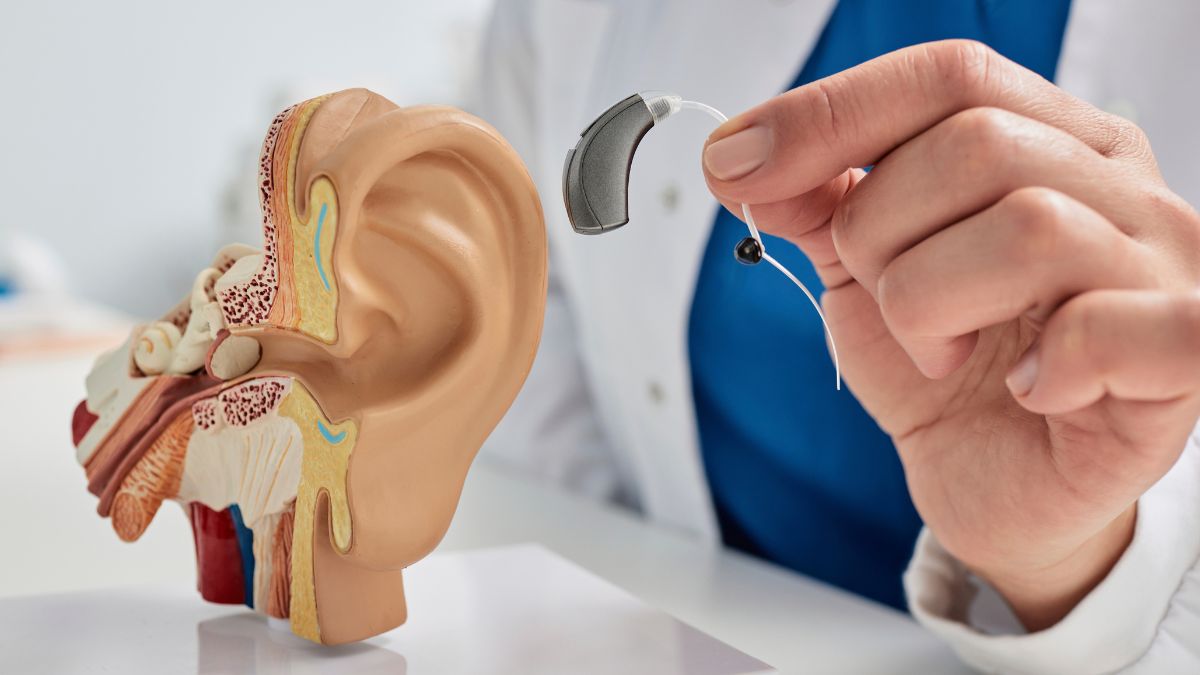

If you still picture bulky devices that only “make things louder,” modern hearing aids will surprise you. Today’s models are small, smart, and designed to fit real life – busy streets, family conversations, office calls, and weekend celebrations. With better sound processing, connectivity, and support options like an online hearing test, people can move from “just managing” hearing loss to genuinely enjoying clearer, calmer listening.
From Amplification to Personalised Sound
The biggest change is that hearing aids no longer amplify everything equally. They analyse sound in real time and prioritise what you want to hear. Instead of turning the world up, they shape it.
Key upgrades you’ll notice:
- Speech enhancement that lifts voices above background noise
- Directional microphones that focus on the person in front of you
- Automatic scene detection that shifts settings between home, traffic, or a restaurant
- Feedback control that reduces whistling without dulling clarity
Smarter Fitting and Fine-Tuning
Better hardware is only half the story. The fitting process has become more precise, which directly improves comfort and understanding. Professionals can map your hearing profile and match it to your daily needs. Many fittings use real-ear measurement to verify sound accurately.
Many brands also offer app-based adjustments so you can:
- Reduce noise in a crowded market
- Increase speech focus during a family dinner
- Save preferred settings for repeat situations
Some people begin with an online hearing test to understand if there’s a likely issue before booking an in-person assessment. While it isn’t a final diagnosis, it can be a useful first step, especially if you’re unsure whether you need help.
Connectivity That Fits Indian Lifestyles
Wireless streaming has transformed convenience. Modern hearing aids can connect to phones and other devices, making tasks easier.
Popular use cases include:
- Clearer phone calls, including on popular calling apps
- Streaming music, videos, or news without raising the volume for everyone at home
- Hands-free listening during work calls or commute time
- Quick control via an app, without touching the device
For many users, this connectivity is what makes the devices feel like part of a modern lifestyle, not a medical accessory.
Rechargeables and Power Management
Battery stress is a real barrier for first-time users. Rechargeable hearing aids have helped by removing the constant worry of spare cells and disposal. A charging case on the bedside table can feel as normal as charging your phone.
Look for features such as:
- Full-day power on one charge for routine use
- Fast-charge options for short top-ups
- Low-battery alerts that show up on your phone
If you travel often, compact charging cases are useful on trains or flights.
Comfort, Discretion, and Durability
User experience is also physical. Better design means lighter shells, improved ear-tip options, and greater sweat- and dust-resistance, which is vital in humid summers and long commutes.
Modern designs may include:
- Smaller behind-the-ear bodies with thin tubes
- In-ear styles that sit discreetly
- Moisture protection for active days
Comfort matters because consistent wear is what delivers consistent results.
Safety and Health Features
Some newer models go beyond hearing support. They can monitor device usage patterns and encourage better habits. A few even include fall alerts or basic activity tracking, depending on the model and app support.
More importantly, today’s processing can reduce listening effort, which many users describe as “less tiring” by evening. When sound feels easier, social confidence often follows.
Getting Started: Knowing When to Act
If you frequently ask people to repeat themselves, struggle in groups, or feel the TV volume is creeping up, don’t ignore it. Start with an online hearing test if you want a quick screening, then follow up with a qualified hearing professional for a full evaluation and device recommendation.
The right hearing aids are the ones that match your hearing needs, comfort preferences, and daily routine – not the most expensive pair on the shelf.
Conclusion
Technology is making hearing aids more natural, more connected, and far easier to live with. With smarter sound processing, simple personalisation, and entry points such as an online hearing test, users can take control early and enjoy clearer conversations in every part of their lives.

Comments are closed.