
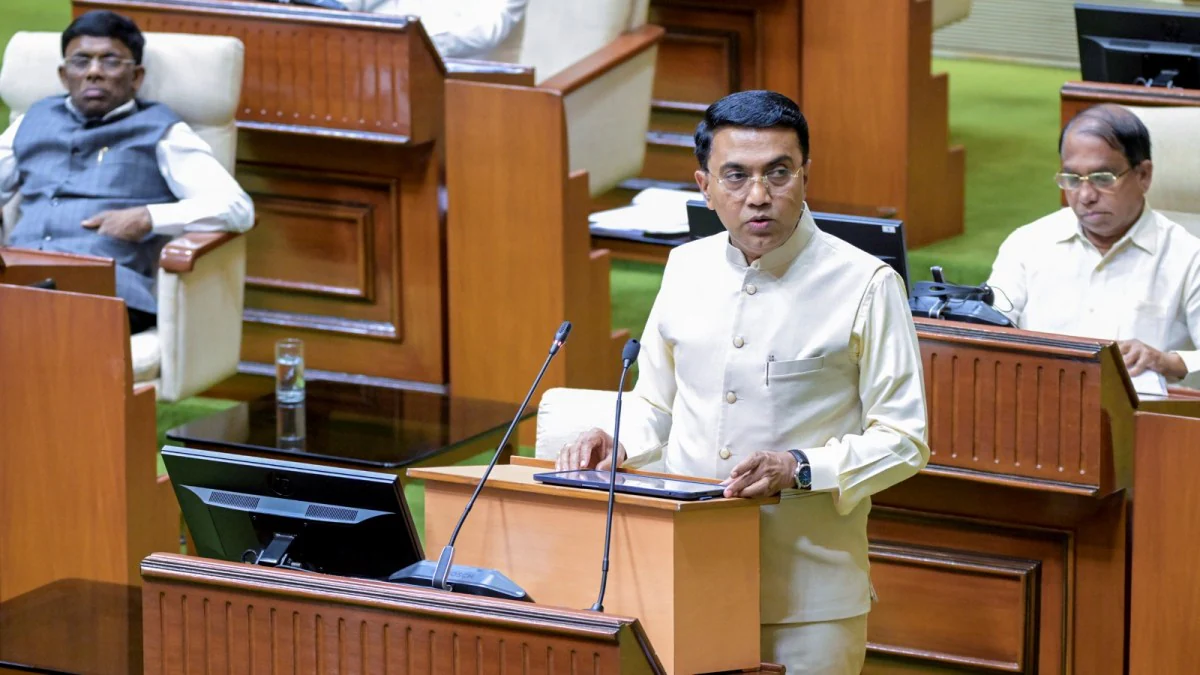

Starting a new casino in Goa is about to become much more expensive after the state government proposed a large increase in licensing fees in its most recent budget. Chief Minister Pramod Sawant, who also holds the finance responsibility, announced that the charge for opening new casinos will be hiked by 200 percent over the present amount. The decision was one of several major announcements made during the presentation of the state budget in the Goa Legislative Assembly.
The high rise is expected to have a direct impact on businesses looking to enter the state’s casino industry. According to the chief minister, the additional fee will only apply to operators looking to open new onshore casinos in Goa. This fee increase is not meant to affect existing casino operations.The move follows the government’s overall strategy of tightening rules while increasing revenue from areas that generate major tourism-related revenues. Goa’s casino business, which operates both on offshore vessels and within luxury hotels, has long been one of the state’s most apparent tourist attractions and a significant contributor to its economy.
No New Offshore Casinos, Government Clarifies:
While announcing the price increase, the government highlighted that it only affects new onshore casino applications. Authorities additionally highlighted that no new offshore casinos will be allowed in the state, and the number of offshore casino vessels operating in Goa will stay limited to six. For years, offshore casinos have been a key aspect of Goa’s entertainment and tourism environment, with the majority anchored on the Mandovi River near Panaji. The offshore operations cap aims to maintain tighter regulatory supervision while also limiting the growth of floating casinos in the region.
This clarification is significant because offshore casinos have historically been among the most profitable gaming establishments in the state. By restricting new offshore licences and increasing the cost for land-based casinos, the government appears to be taking a cautious approach toward further expansion of the industry.
Budget Signals Broader Regulatory and Revenue Changes:
The casino licence fee hike was part of a wider set of announcements in Goa’s budget aimed at strengthening state finances and improving public services. During the budget speech, Chief Minister Sawant emphasized that the government’s vision for the future is guided by the long-term development strategy titled “Viksit Goa 2037.”
The plan focuses on multiple sectors including infrastructure development, public transport, healthcare, education, green energy, and social security. The government stated that the budget does not introduce any new taxes but expects higher revenue through increased GST collections and the resumption of mining activity in the state.
Alongside the casino licensing change, the budget also proposed revisions in excise licensing rules. The government suggested fixing the fee for obtaining a new excise licence to open a liquor shop or restaurant at ₹20 lakh, while the fee for transferring such a licence without inheritance will be increased to ₹25 lakh. These changes indicate the government’s intention to generate additional revenue from industries linked to tourism and hospitality, which remain major pillars of Goa’s economy.
Impact on Investment and Tourism Industry:
The sharp increase in casino licensing costs could influence future investment decisions in Goa’s gaming sector. Entrepreneurs and companies looking to launch new casinos may now have to evaluate whether the higher costs make projects financially viable. At the same time, the government appears confident that the casino industry will continue to attract investors due to Goa’s strong tourism appeal. Casinos have become a major attraction for domestic and international tourists visiting the state, complementing its beaches, nightlife, and luxury hospitality sector.
Industry observers note that the government is attempting to strike a balance between regulating the sector and ensuring it continues to contribute to the state’s revenue. By limiting offshore expansion while raising fees for new entrants, authorities may be trying to control the pace of growth without shutting the door on future investments entirely.
The decision may also indicate concerns about the social and regulatory consequences of growing gambling activities. Over the years, the presence of casinos in Goa has led to controversy among politicians, activists, and locals concerning their impact on society and culture. For the time being, the budget declaration indicates that any new casino ventures in Goa will require a far larger financial commitment. As the tourism-driven state refines its gambling and entertainment rules, the increased licence price is expected to change the environment for investors looking to enter Goa’s casino industry.

Comments are closed.