
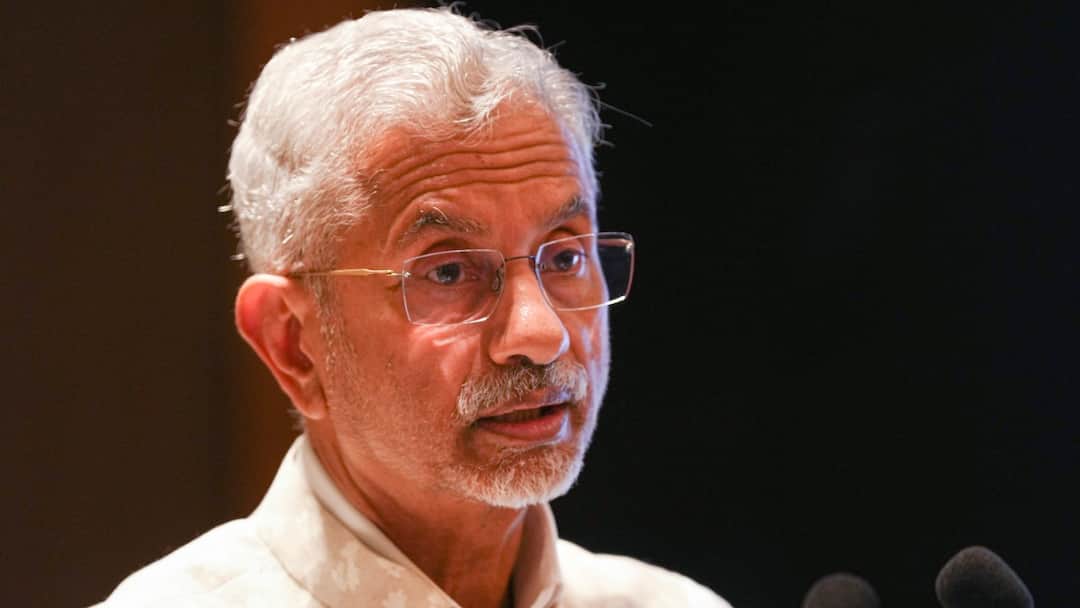
National Interest Paramount: S. Jaishankar Reassures India on Energy Security Amid US–Iran Conflict

India’s External Affairs Minister S. Jaishankar reaffirmed that safeguarding the country’s energy security remains a top priority as geopolitical tensions continue to impact global oil markets.
Speaking in the Rajya Sabha, Jaishankar said India’s energy procurement strategy will be guided by three key factors—cost, risk, and supply availability. He emphasized that the government will always prioritise the interests of Indian citizens when making decisions related to energy imports.
According to Jaishankar, national interest will remain the central consideration as India navigates uncertainties in global energy markets.
Rising Concerns Due to US–Iran Conflict
The minister’s remarks come amid growing concerns about energy supplies and prices following the escalation of tensions between the United States and Iran.
The conflict has created uncertainty in West Asian energy markets, affecting oil production and major shipping routes used for global crude oil transportation.
Despite the situation, the Indian government has reassured markets that there is no immediate threat to the country’s energy supply.
Government Monitoring Fuel Supplies
Earlier, India’s petroleum minister Hardeep Singh Puri confirmed that the country currently has adequate reserves to manage the situation.
Officials have stated that India maintains sufficient crude oil inventories along with strategic petroleum reserves to ensure energy stability during supply disruptions.
Authorities have also established a 24×7 control room to monitor fuel stocks and supply chains across the country.
Importance of the Strait of Hormuz
India imports more than five million barrels of crude oil per day, making it one of the world’s largest energy importers.
Nearly half of this supply—around 2.5 million barrels per day—passes through the Strait of Hormuz, a narrow maritime corridor between Iran and Oman that serves as one of the most critical routes for global oil shipments.
Any disruption in this strategic waterway could impact global energy markets and supply chains.
India Diversifying Energy Sources
To reduce dependence on a single region, India has significantly diversified its crude oil imports over the past few years.
Currently, more than 60 percent of India’s oil supply comes from producers in North America, Latin America, West Africa, and parts of Russia in Asia. The country sources crude oil from over 40 different nations, strengthening its resilience against regional disruptions.
This diversified sourcing strategy helps India manage geopolitical risks while ensuring stable energy supplies for the economy.
Strategic Approach to Energy Security
The government’s approach reflects a broader strategy of balancing global geopolitical developments with domestic energy needs.
By maintaining strong reserves, diversifying supply sources, and closely monitoring international developments, India aims to ensure that its energy security remains stable even during periods of global uncertainty.

Comments are closed.