
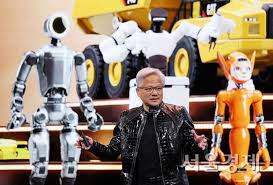

Regulatory documents indicate that Nvidia has put aside a $4-million bonus package for its CEO, Jensen Huang, in case the company meets certain financial targets by January 31, 2027.
To an average citizen, $4 million is a huge amount of money. But to Jensen Huang, it is just a small percentage of his total earnings.
It is reported that Huang’s total earnings package for 2025 was around $49.9 million. Most of this amount was not in cash. The CEO of Nvidia received around 77% of his earnings, totaling around $39.8 million, in shares of company stocks. The $4-million bonus package, therefore, is just about 10% of Huang’s earnings package, as it is in cash form.
This means Huang is free to use it as he wishes without affecting his ownership of company shares. Huang once stated that he bought a car for his parents using company shares, which turned out to be invaluable.
$50 Million Payday for Jensen Huang, Why the Real Power Lies in Equity?
According to reports, Huang’s total pay package for 2025 reached about $49.9 million. A large share of that amount came from stock awards rather than cash. About 77% of his compensation, roughly $39.8 million, came in the form of company shares. Because of this structure, the potential $4-million bonus equals less than 10% of his annual pay package.
The bonus itself will come in cash. That means Huang can spend it however he wants without affecting his ownership in the company. Cash bonuses give executives flexibility. They can use the money for personal spending, investments, or gifts. Jensen Huang once noted that he bought a car for his parents using stock that later became far more valuable.
Still, the real driver of Huang’s wealth is not salary or bonuses. It is his ownership stake in Nvidia. Huang founded the company in 1993 and still holds about 3.5% of its shares. As Nvidia’s market value has surged during the global demand for artificial intelligence chips, that stake has grown into a vast fortune.
Today, Huang ranks among the richest people in the world. Estimates place his net worth at roughly $150 billion.
Stock sales offer another example of how valuable his holdings have become. In June last year, Jensen Huang sold around 6 million Nvidia shares. The sale had been disclosed months earlier under a trading plan that allows executives to sell stock on a fixed schedule. The shares were worth about $925 million at the time of the transaction.
Compared with numbers like that, the $4-million bonus looks small. Even a modest movement in Nvidia’s share price can change the value of Huang’s holdings by billions of dollars.
Why Huang’s Wealth Hinges on Growth, Not Cash?
Taxes also reduce the value of the bonus. Because the payment comes in cash, it counts as ordinary income. Huang must pay federal and state income taxes on it, along with other deductions. After taxes, analysts estimate that he may keep between $2 million and $2.5 million.
This tax structure explains why many executives prefer stock-based compensation. Shares can rise in value over time, which may increase the size of the reward. Taxes also do not apply until the shares are sold. That delay can make stock awards more attractive than immediate cash payments.
Huang’s base salary also tells an interesting story about his pay structure. For more than a decade, his salary stayed almost unchanged. Nvidia increased it only last year so that his compensation would remain similar to other leaders in the tech industry.
The company’s latest regulatory filing does not mention any new salary increase for him this year. That decision stands out because Nvidia has reported record revenue and strong demand for its AI hardware, even while facing limits on some sales to China.
Instead of relying on salary growth, Huang’s wealth remains tied to Nvidia’s long-term performance. If the company continues its rapid expansion in artificial intelligence computing, the value of his shares could rise far more than any annual bonus.
In that context, the $4-million incentive looks less like a major reward and more like a symbolic target. The true financial motivation for Huang remains the same as it has been since Nvidia began: building a company whose value continues to grow.
If Nvidia keeps its momentum, Huang will likely reach the bonus target. Yet the real payoff will still come from the billions tied to his ownership stake rather than a single seven-figure payment.

Comments are closed.