
Struggling With Stress Or Hormonal Imbalance? Ayurveda Expert Reveals 3 Herbs That Can Help

From long workdays and irregular routines to constant mental load, many women today find themselves dealing with stress, mood swings, sleep disturbances and hormonal fluctuations. While lifestyle factors play a big role, Ayurveda also emphasizes the importance of supportive herbs that can help the body cope better with everyday pressures. Interestingly, several traditional herbs have long been used in Ayurvedic practices to support women’s health across different life stages. As per Ayurvedic health coach Dimple Jangda, a few specific herbs may help women dealing with hormonal imbalances, stress, anxiety and sleep issues when included mindfully in their routine. Here are three she recommends.
Also Read: Are Carbs Really Bad? The Surprising Role Of Timing In Metabolism
Here Are 3 Important Herbs Every Woman Should Include In Their Diet
1. Ashwagandha
According to Dimple Jangda, ashwagandha is considered an adaptogenic herb and is also classified as a rasayana in Ayurveda, meaning it supports overall rejuvenation and vitality. She explains that ashwagandha may help reduce stress and anxiety levels by lowering cortisol, the body’s primary stress hormone. It is also believed to support the nervous system and prevent it from becoming overstimulated, which is often seen in modern lifestyles filled with constant triggers and pressure.
Jangda further notes that the herb may support thyroid and adrenal gland health while helping improve overall strength and vitality. Ashwagandha can be consumed as a rasayana preparation or as a herbal tea.
2. Shatavari

Photo: Unsplash
Shatavari holds a special place in Ayurveda when it comes to women’s health. As per Dimple Jangda, this herb is often referred to as the queen of herbs because of its benefits across different stages of a woman’s life. She says shatavari may be helpful for women dealing with conditions such as PCOS, infertility or menopause. It is also traditionally consumed during pregnancy and after childbirth to help improve lactation.
In addition, Jangda explains that shatavari may help balance hormones, reduce oxidative stress and inflammation in the body and support ovarian health. It is also believed to help regulate menstrual cycles, support healthy flow and reduce PMS symptoms. The herb can be consumed in the form of herbal tea or as a jam-like preparation.
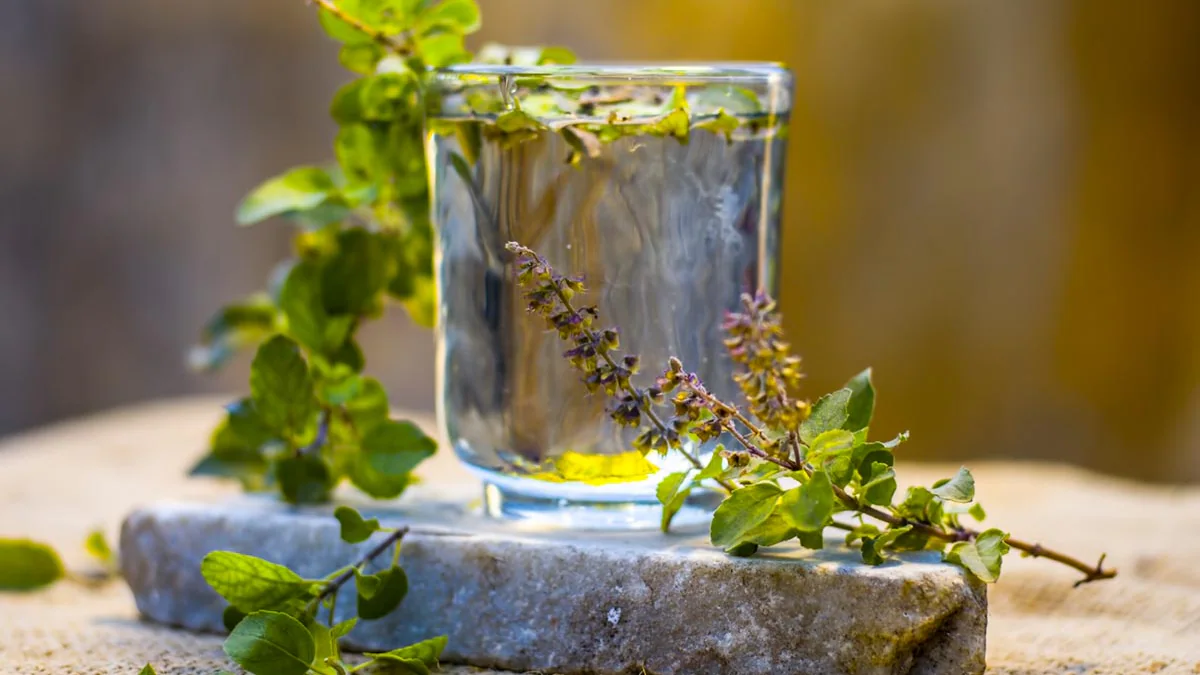
3. Tulsi

Photo: Unsplash
Commonly known as holy basil, tulsi is another herb that may support women’s health, especially when it comes to stress and emotional balance. According to Dimple Jangda, tulsi may help lower stress and anxiety levels while also reducing cortisol in the body. She explains that it may support the balance of neurotransmitters, allowing serotonin and dopamine, often referred to as “happy hormones”, to function better.
From an Ayurvedic perspective, tulsi may also help reduce vata and kapha-related symptoms such as dryness, mood swings, irritability and sleepances disturbances. Jangda notes that this herb can be beneficial for women across age groups. While consuming these herbs are safe, it is always advisable to consult a qualified healthcare professional before adding new herbs or supplements to your routine, especially if you have existing health conditions.
Lifestyle Habits That May Support Hormonal Balance

Photo: Unsplash
While herbs can play a supportive role, experts often point out that long-term hormonal health also depends on everyday lifestyle habits. Along with the herbs recommended by Ayurvedic health coach Dimple Jangda, making a few consistent changes in your daily routine may help support overall well-being.
1. Prioritize consistent sleep
Hormones follow the body’s circadian rhythm. Irregular sleep schedules, late nights and excessive screen exposure can disrupt this rhythm and affect stress and reproductive hormones. Maintaining a regular sleep schedule and aiming for 7 to 8 hours of rest may help the body regulate hormonal processes more effectively.
2. Manage Daily Stress Levels
Chronic stress can keep cortisol levels high, which may affect other hormones over time. Activities such as yoga, meditation, journaling or even short daily walks can help calm the nervous system and support better hormonal balance.
Also Read: After Puffed Paneer Pack Complaint Goes Viral, Let’s Understand Why It Happens
3. Focus On Balanced, Whole-Food Meals
Highly processed foods and excess sugar may contribute to inflammation in the body. Including whole grains, seasonal fruits, vegetables, nuts and seeds in your daily meals can provide essential nutrients that support overall hormonal health.
4. Stay Physically Active
Regular movement helps improve blood circulation, supports metabolism and may help regulate hormones. You do not necessarily need intense workouts. Even moderate activities like brisk walking, stretching or yoga can make a meaningful difference over time.
So, add these herbs to your diet today for overall well-being!

Comments are closed.