
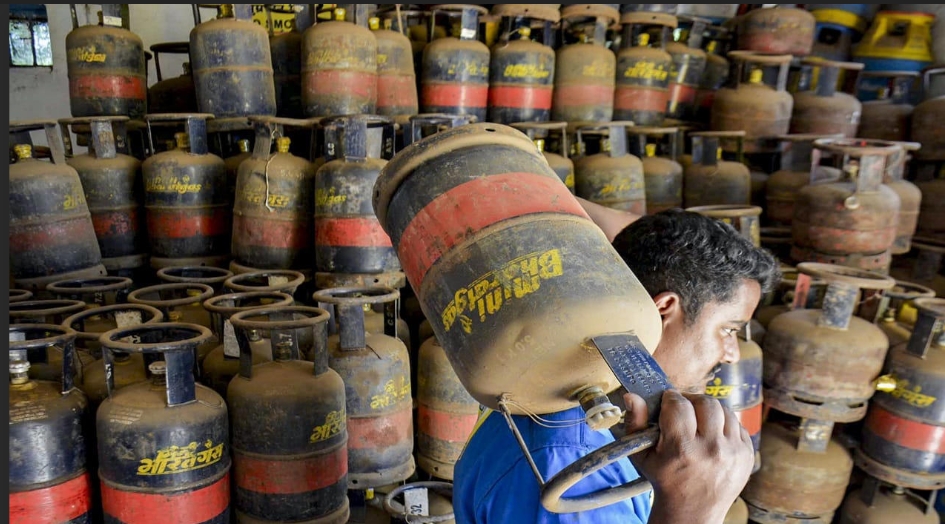

The Government of India has invoked the **Essential Commodities Act (ECA), 1955** to address emerging concerns over the supply of Liquefied Petroleum Gas (LPG) amid the ongoing US-Israel-Iran conflict in West Asia. The conflict has disrupted energy shipments around the world through the Strait of Hormuz. This has led to reports of shortages in cities like Mumbai, Bengaluru and Pune, especially for commercial users. Some food outlets are closing and homes are facing delays or price pressures.
The ECA empowers the Center to regulate the production, supply, distribution, storage and prices of “essential commodities” to prevent hoarding, black marketing and ensure availability to the public. Under Section 3, the Ministry of Petroleum and Natural Gas has issued orders (including the Natural Gas Supply Regulation Order, 2026) directing refineries and petrochemical units to maximize LPG production. To do this, they put specific hydrocarbon streams—such as propane (C3), butane (C4), propylene, and butane—into the LPG pool instead of using them for industrial or petrochemical use.
Further measures include:
– Prioritizing supply to households through state-owned oil marketing companies (OMCs: Indian Oil, Bharat Petroleum, Hindustan Petroleum), with excess output reserved for 14.2 kg domestic cylinders only.
– Prohibiting non-essential commercial allocation and creating a review panel for industrial requests.
– Increasing the minimum inter-booking period for domestic refills from 21 to 25 days to prevent hoarding and panic buying. – Maintaining priority allocation up to 100% of recent average consumption for related sectors such as domestic piped natural gas (PNG), compressed natural gas for transport (CNG), and LPG production.
Violation attracts penalty under Section 7, which also includes prosecution. The aim of these steps is to avert a total domestic crisis by promoting local production and equitable distribution and protecting households from global volatility. Officials stressed there were sufficient stocks overall, and efforts were being made to bring in substitutes from the US, Algeria and others. This directive, which will come into effect immediately (notified around March 9–10, 2026), will replace the earlier order and will continue until the situation stabilizes, giving “priority to food rather than industrial fuel”.

Comments are closed.