
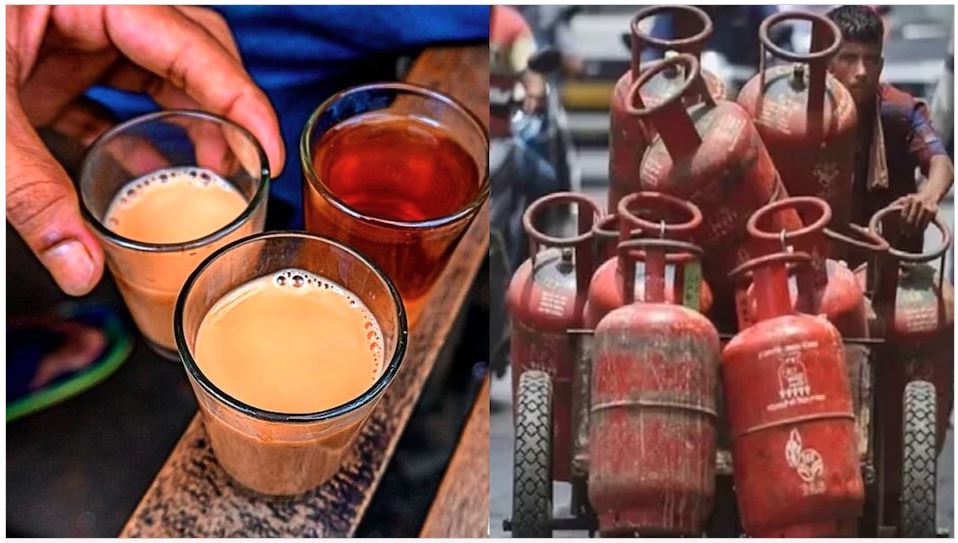
Effect of LPG crisis, ₹ 10 tea now costs ₹ 20, peas-paneer and Golgappa also costlier, inflation increased

Tezzbuzz Desk- The impact of the ongoing conflict between America, Israel and Iran in the Middle East is being seen in India also. Especially the shortage of LPG (Liquid Petroleum Gas) has shaken everyday life and businesses. Due to obstruction in oil and gas imports, gas companies have increased the prices of LPG, while the ban on commercial cylinders has created panic among small shopkeepers and big restaurants and hotels.
According to the street vendors of Noida and Delhi, the tea which was available for Rs 10 till yesterday, is now being sold for Rs 15-20 per cup. Even everyday food items like Puri-Vegetable plate and Golgappa have become expensive. Many restaurants and dhabas have changed their menus, reduced the number of items on the plate and some have started using electric induction and tandoor.
Due to the war between America, Israel and Iran, the supply of oil and gas in the Strait of Hormuz has been disrupted. India imports about 60% of its domestic LPG needs, and 85-90% of these imports come through the Strait of Hormuz. The government has directed oil companies to increase production for domestic consumers, but the ban on commercial cylinders has increased the problem for small and big businesses.
A shopkeeper in Sector 16 of Noida said that 19 kg commercial cylinders are now being sold for Rs 2500-2800, and bids are being received for the cylinders. This is the reason why small businessmen have to close their shops due to lack of gas.
Apart from small shopkeepers, the concern of big hotel and restaurant businessmen has also increased. Many restaurants have changed their menus and reduced the items served in the plate. Items like dal, roti, vegetable and peas-paneer are now being served in lesser quantities, while the price of thali has increased.
Mumbai Hotel Association has warned that if LPG supply is not improved, about 50% of the hotels and restaurants in the country may close. In view of the crisis, the central government has constituted a committee comprising three executive directors of OMCs, but the National Restaurant Association of India (NRAI) said that the ground reality is quite different.
If seen at the ground level, the impact of the LPG crisis is visible in every home and business. Tea-snack traders, small dhabas and big hotels – all are forced to make changes due to the acute shortage and rising prices of gas cylinders.
This crisis has not only made everyday food items costlier, but has also seriously affected the operations of businesses. The public and businessmen are now expecting an early solution to the LPG crisis.

Comments are closed.