
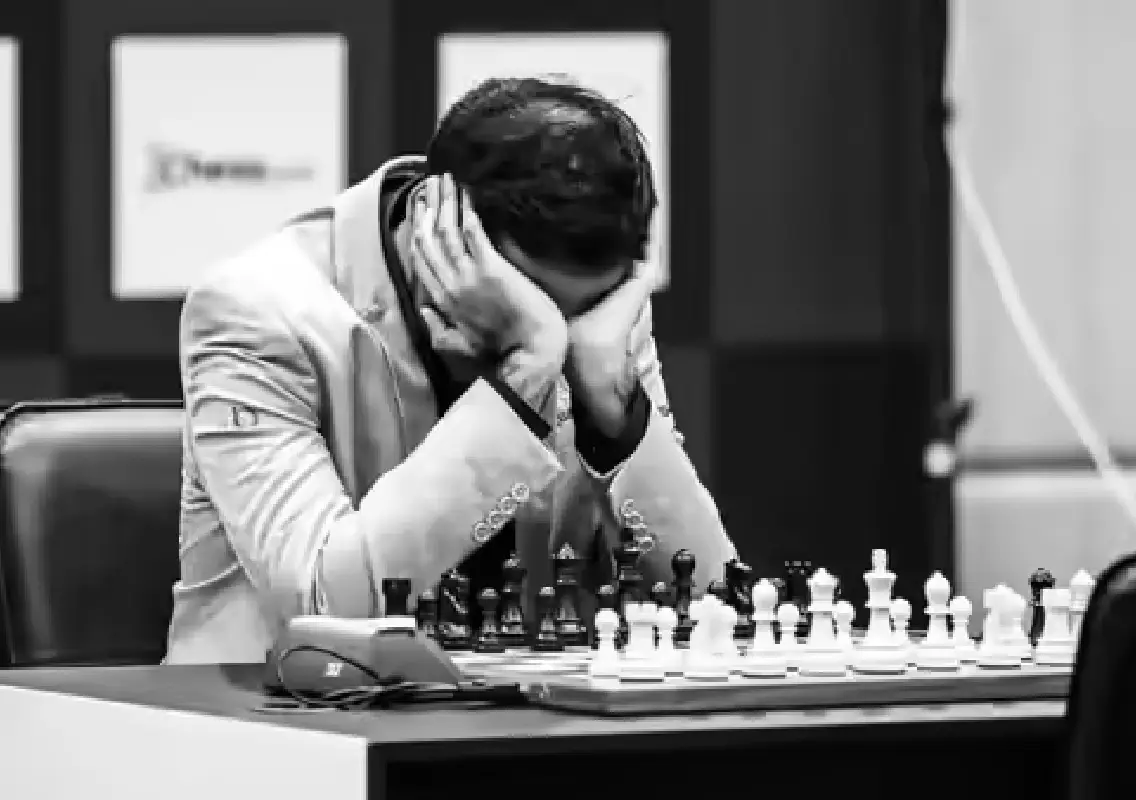

World chess champion D Gukesh’s emotional apology to fans during the Prague Masters tournament has sparked a wider conversation about the recent dip in form among India’s top chess grandmasters.
In a candid moment during the tournament, the young champion acknowledged that the competition had been mentally challenging and apologised to fans for not being able to interact with them as he normally would.
“I really appreciate all the fans coming here every day. But I want to apologise to them. This tournament has been tough for me, and on some days I just want to be left alone,” Gukesh said.
The rare admission from the youngest world chess champion in history struck a chord across the chess world.
Indian chess stars facing temporary dip
India’s chess golden generation has recently experienced a dip in form. At the start of 2026, three Indian grandmasters — Arjun Erigaisi, R Praggnanandhaa and D Gukesh — were ranked in the world’s top 10 in the FIDE ratings.
However, within two months the situation shifted. Erigaisi and Praggnanandhaa slipped out of the top 10, while Gukesh dropped to 10th position following a difficult run in Prague, where he managed only one win in ten rounds.
The slump has raised questions about whether this is a temporary phase or a sign of deeper structural issues in Indian chess.
Heavy tournament schedule a key factor
Veteran Indian Grandmaster Pravin Thipsay believes the intense schedule of modern chess tournaments could be contributing to the decline.
“The first reason, in my opinion, is that they are simply playing too much,” Thipsay explained.
Top players today compete in classical, rapid, blitz and online events often travelling continuously with little time for rest.
Coach Shyam Sundar M echoed the concern, noting that the modern chess calendar rarely allows players sufficient recovery time.
“When players compete across formats without enough breaks, fluctuations in results are natural,” he said.
Stardom bringing new pressures
Another factor affecting Indian players could be the immense popularity chess has gained in the country.
According to Thipsay, Indian players now enjoy a celebrity status that brings endorsements, media attention and brand collaborations — opportunities that also demand time and mental energy.
While financially rewarding, such distractions can sometimes shift focus away from the board.
Elite tournament structure and engine reliance
Experts also point to structural changes in elite chess.
Top players frequently compete against the same group of opponents in closed tournaments limiting exposure to varied playing styles.
At the same time, increasing reliance on computer-based preparation has altered the way players analyse positions, sometimes reducing independent strategic thinking.
Optimism for a strong comeback
Despite the current dip, coaches and experts remain optimistic about India’s young stars.
Thipsay believes players like Gukesh, Praggnanandhaa and Erigaisi can regain momentum if they return to their natural styles and include more open tournaments in their schedules.
“Sometimes players experiment with their games, and results may temporarily suffer,” Shyam Sundar said.
For now, India’s chess revolution — powered by extraordinary individual talent — continues to capture global attention, even as players navigate the pressures of elite competition.

Comments are closed.