
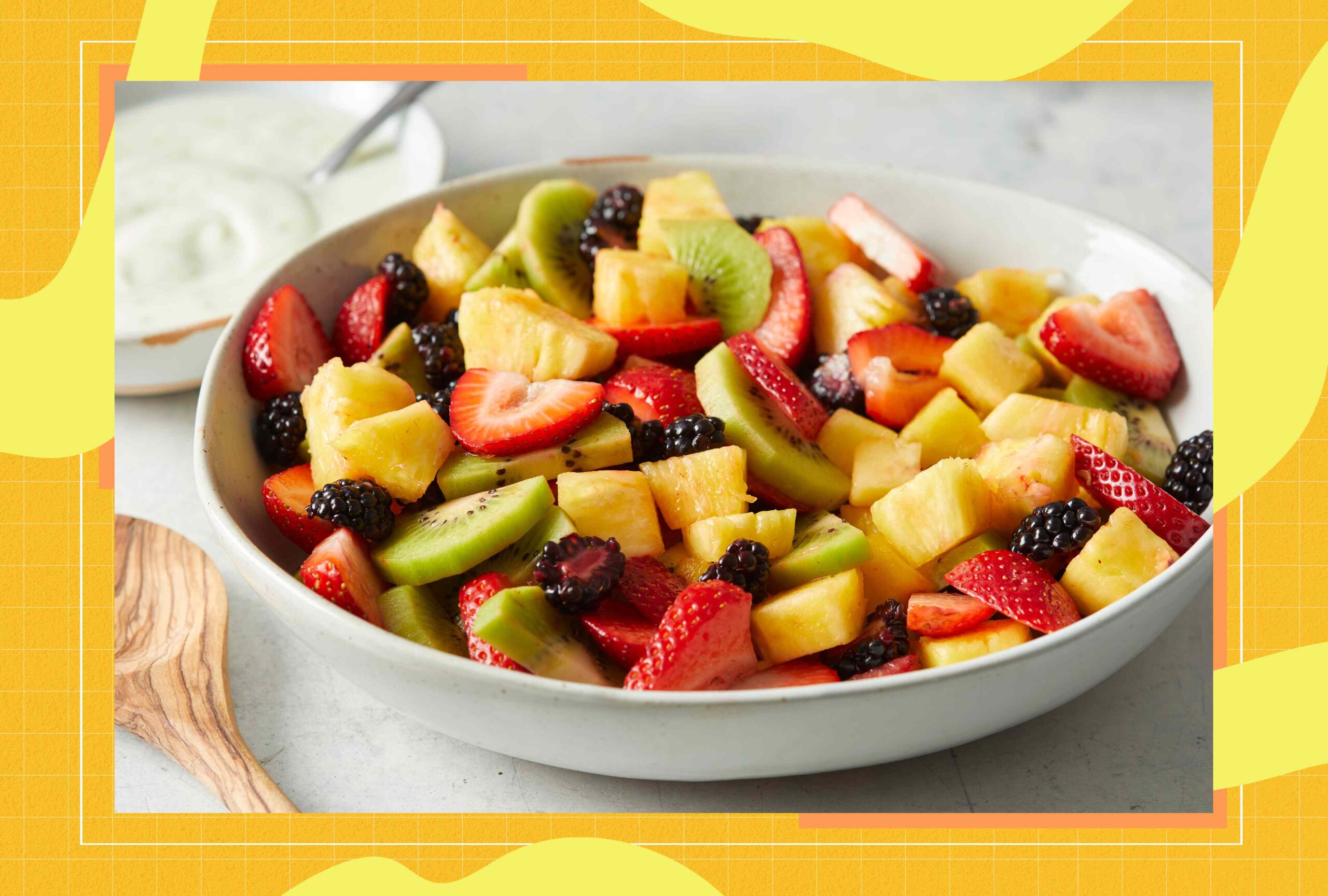

Plus recipes to enjoy the recommended high-fiber produce.
Reviewed by Dietitian Emily Lachtrupp, M.S., RD
Key Points
- Apples, berries and pears are rich in fiber and prebiotics, which support digestion.
- Avocados offer 9-10 g fiber per fruit, making them a gut-friendly snack option.
- Kiwis aid digestion, relieve constipation and may be as effective as fiber supplements.
If you’re looking to incorporate more fiber into your diet, it may be hard to know where to start. Gastroenterologist Wendi LeBrett, MDshared with EatingWell what foods she recommends for her patients.
“There’s a wide variety of foods that have fiber,” LeBrett shares. “I think fruit is probably one of the easiest ways to incorporate fiber. Most people enjoy eating fruit, so [start by] adding one to two servings of fruit a day.”
What fruit exactly? Here are five to get you started recommended by the doctor—some of which she includes into her own routine.
Apple
Apples are a personal favorite of LeBrett’s, and it’s easy to see why. They typically contain four grams of fiber per fruit, and their water content will help with overall digestion and hydration. And pairing slices with an easy protein like peanut butter or cheese makes the perfect satiating snack.
And because of their prebiotics, apples can help feed healthy gut bacteria, which benefits the gut microbiome. Enjoy the fruit in gut-healthy salads for a high-fiber lunch, like our five-star Kale, Quinoa & Apple Salad.
Avocado
Yes, avocados are fruit, and they’re great for gut health. One avocado contains 9 to 10 grams of fiber, so even just spreading half on some toast in the morning offers a high-fiber meal that will keep things… y’know, moving. Top it off with an egg for a satisfying, high-protein breakfast.
LeBrett also recommends guacamole as an easy snack option that provides a fiber boost. It’s easy to make our home with our copycat Chipotle guacamole recipe that readers call “super delicious.”
Berries
LeBrett isn’t the only gastroenterologist that suggests berries. Will Bulsiewicz, MD, has also shared that incorporating fruits like raspberries and blueberries into your meals will help support your health.
The fiber content of small berries is only one of their benefits. They’re also loaded with antioxidants like polyphenols, which can help reduce inflammation in the body. Enjoy them as-is, or easily add berries to your smoothies, yogurt bowls or cheese plate for a simple fibrous add-on.
Kiwi
“There’s actually a really fun study that showed that eating kiwifruit is as effective as fiber supplements, like Metamucil,” the doctor shares, referring to a 2023 study published in the American Journal of Gastroenterology. The study shows that eating two kiwifruits a day may provide this benefit, relieving constipation and abdominal pain in some individuals.
Kiwis are also a great source of vitamin C and potassium, which can help support healthy blood pressure. And they’re rich in the enzyme actinidin, which further helps digestion alongside its fiber content. Whether you throw in kiwi into a savory dish (like fish tacos) or a sweet bite (like a breakfast banana split), you’ll be reaping the benefits.
Pear
Pears may just be the most underrated fruit. They’re loaded with six grams of fiber, are ultra-hydrating, rich in potassium and have a low glycemic index for those managing their blood sugar. No wonder they’re gastroenterologist-approved!
One of LeBrett’s personal favorite fruits, pears are incredibly versatile. Salads, soups and cozy breakfasts (like our Baked Oatmeal with Pears) are delicious and healthy ways to incorporate the fruit into your weekly rotation.
Our Expert Take
While these fruits were the ones LeBrett immediately recommended for their fiber content and nutrient density, the gastroenterologist says adding “whatever fruit you like” into your eating pattern will still make a difference.
“To make a sustainable change, whatever you add to your diet should be something that you enjoy eating,” LeBrett notes. If you don’t have any allergies or intolerances, there’s really no “wrong” choice when it comes to fruits and vegetables. So try one of these high-fiber breakfasts using a variety of fruits to start your morning on the right foot:

Comments are closed.