
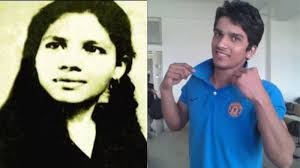
From Aruna Shanbaug to Harish Rana, how the right to die with dignity became legal in India, know the whole story

News India Live, Digital Desk: Aruna Shanbaug, a nurse at Mumbai’s KEM hospital, was the victim of a brutal attack in 1973, after which she remained in ‘Persistent Vegetative State’ (PVS) for 42 years. She could neither speak, see nor move. Historic decision of 2011: Her friend Pinky Virani had filed a petition in the Supreme Court to give ‘euthanasia’ to Aruna. Although the court had refused to euthanize Aruna, it was during this case that the Supreme Court gave in-principle approval to passive euthanasia for the first time in India. Passive vs Active Euthanasia: Understand the DifferenceCategoryMeaningSituation in IndiaPassive Euthanasia is the removal of life support systems (ventilator, feeding tube) so that natural death can occur. Legal (subject to the conditions of the Supreme Court) Active Euthanasia By directly giving lethal injection or medicine Ending life. Illegal (it is considered murder) ‘Living Will’ decision of 2018. In 2018, the constitutional bench of the Supreme Court further expanded it. Now in India: Every person has the right to write a ‘Living Will’ while he is healthy. In this he can direct that if in the future he reaches a condition where there is no hope of recovery, then he should not be kept on life support. In 2023-24, the court has further simplified these rules so that doctors and family members do not have to face legal complications. Latest case: Relief to a 32-year-old man. In the latest case, the Supreme Court Hearing the petition of the parents of a 32-year-old patient (who was in a mentally dead condition for a long time), permission was granted to remove life support. The Court held that when life is based only on machines and the patient is only suffering, then artificially stretching it is a violation of his human rights.

Comments are closed.