
Infosys LPG Shortage: Infosys reduced the menu of campus food court, now no dosa, no omelette order.

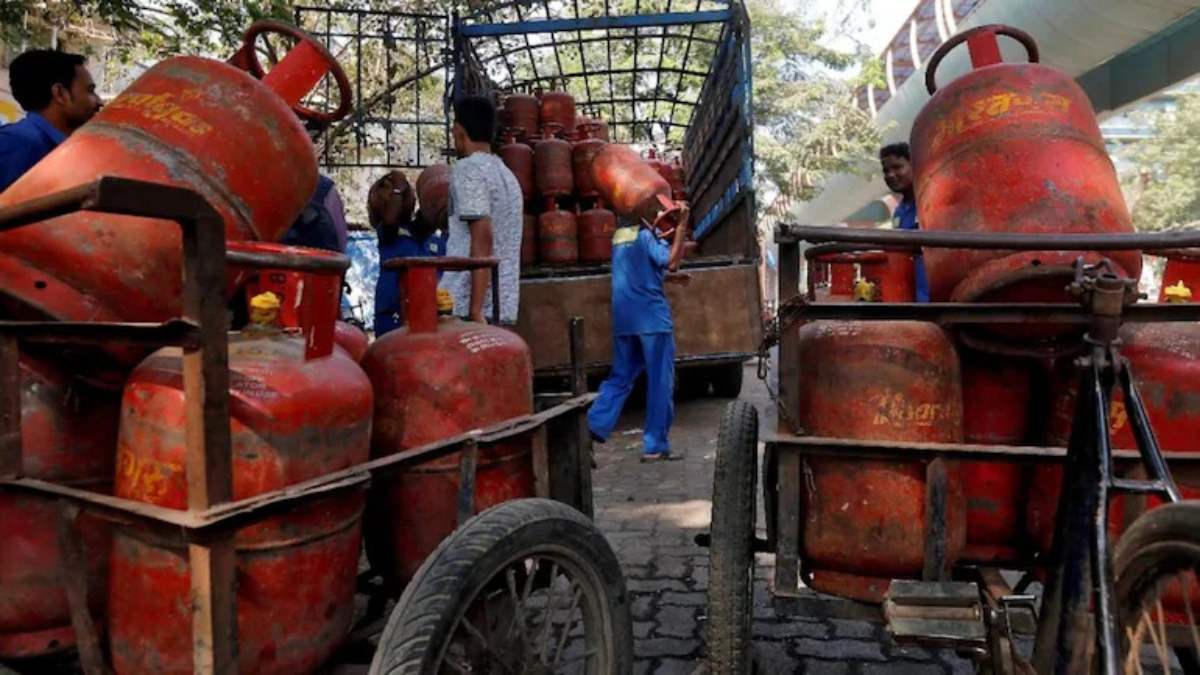
Infosys LPG Shortage: Infosys, India’s second largest software exporter, has told employees of all its campuses in Bengaluru, Chennai and Pune that due to shortage in supply of commercial LPG gas, food court services may be closed for some time.
In an email sent to employees on March 11, the company informed that it is facing an issue related to the availability of LPG, due to which operational changes will be implemented from March 12. Because of this, there have been changes in the arrangements of the food court. Some food items have been reduced, and live cooking counters have been closed for some time until further notice.
Hot dishes like dosa and omelette are usually served at the live cooking counter located on the campus. Now these are being closed because hotels and restaurants are moving away from dishes cooked on high gas. The development center at the Bengaluru campus typically sees around 20,000 employees visit daily. This problem is related to major government guidelines affecting the use of LPG in many areas amid the Iran-Israel conflict.
Food court menus will be limited
A message sent to Pune employees said, “Food court vendors are currently facing shortage of LPG from their supplier. All food courts will reopen with a limited menu for a limited period of time. Some cooked food will be sourced from the vendors’ external central kitchen. Additionally, other cooking methods will be increased using electric devices and biofuels.”
The company has also advised employees not to plan events on campus that require catering and to bring food from home if possible. Some food court items at the Chennai campus will also not be available for some time or will be available in limited quantities.
Infosys has more than 320,000 employees, most of whom are in India. We have developed the capability to process 100% organic waste (food scraps and garden waste) using a biogas plant and organic waste converter at our campus.
The biogas made from it is used in the kitchen of the food court, and the compost is used in gardening. According to the ESG (Environment, Social, Governance) disclosure in the company’s annual report, the sludge from the sewage treatment plant is dried in a solar drying greenhouse. This dried sludge is then mixed with compost and used for campus landscaping.

Comments are closed.