
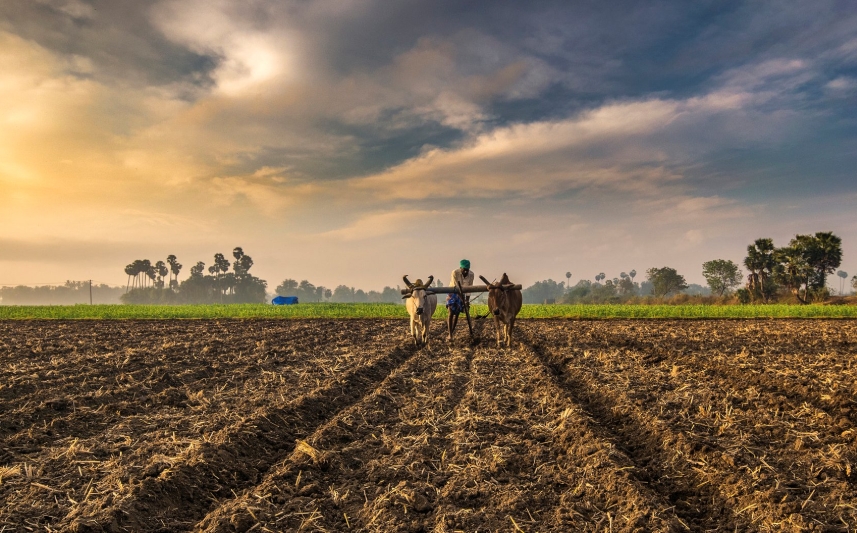

India’s agriculture, which employs about 44% of the workforce, is essential but beset with difficulties. Many farmers are facing hardships, often including suicide due to debt, but internal problems such as soil depletion from nutrient extraction, overuse of chemicals and loss of organic matter also play a role. Cutting of crops depletes the top layer of nutrients in the soil, and this is made worse by the loss of trees and animals.
Small landholdings—on average less than 1 hectare—do not make it possible to grow a single crop. Tree-based farming (agroforestry) holds promise: planting high-value trees on farms increases income from wood, fruit and fodder, improves soil health, conserves water, and acts as economic insurance. In old farms, there were trees in the boundaries for emergencies; Reintroducing it could significantly increase income (although claims of 300–800% increase in 5–7 years depend on species and management).
The policy will have to be changed. Most of the minerals underground belong to the state, a colonial legacy. Restrictions on cutting valuables like sandalwood, teak and rosewood make farmers reluctant to grow trees, despite some recent relaxations. Separating cultivated trees from forests will reduce ranger interference for genuine private growers.
Real freedom means freeing farmers from old rules: permission to grow and harvest any tree, unfettered access to markets, and sale around the world. There should be market-based choices to decide what to grow, not heavy regulation. To bring investment into villages, farming needs to be made profitable through an expert-led, mega plan to promote agroforestry across the country.
If 40-50% of the population succeeds in farming, India will achieve self-reliance and overall development. Revitalizing tree-based systems is not just ecological – it is also important for the dignity of farmers and the strength of the country.

Comments are closed.