

Republicans Plan Marathon Debate On SAVE America Act/ TezzBuzz/ WASHINGTON/ J. Mansour/ Morning Edition/ Senate Republicans are preparing a prolonged debate over the SAVE America Act, an elections bill backed by President Donald Trump. The strategy aims to pressure Democrats during days of Senate floor debate. However, GOP leaders are not pursuing a formal “talking filibuster” and the bill is unlikely to pass.
SAVE America Act Debate Quick Looks
- Senate Republicans plan a marathon debate over the SAVE America Act.
- The election bill is strongly backed by President Donald Trump.
- GOP leaders expect the debate to last several days or longer.
- Republicans may schedule overnight sessions to extend discussion.
- The strategy aims to force Democrats to publicly oppose the bill.
- The legislation would impose stricter voting requirements nationwide.
- Republicans are also preparing new amendments tied to Trump’s priorities.
- Proposed additions include transgender sports restrictions and medical bans for minors.
- The bill is expected to fall short of the Senate’s 60-vote threshold.
- GOP leadership says the goal is to highlight election security issues before midterms.
Republicans Prepare Extended Senate Debate Over SAVE America Act
Senate Republicans are preparing for a lengthy debate over the SAVE America Acta controversial elections bill supported by President Donald Trumpas lawmakers gear up for a high-profile political showdown on the Senate floor.
GOP leaders are expected to bring the bill up for debate next week. While the legislation is unlikely to pass due to Democratic opposition, Republicans plan to use the debate as an opportunity to spotlight election policy ahead of the 2026 midterm elections.
According to congressional aides familiar with internal planning, the strategy could involve multiple days of debateincluding possible overnight sessions designed to prolong the legislative fight.
Not a “Talking Filibuster”
Despite calls from some conservative lawmakers for a dramatic “talking filibuster,” Senate leadership has signaled that such a tactic is unlikely.
A traditional talking filibuster would require senators to continuously hold the floor to block or advance legislation.
Instead, Republican leaders are expected to follow standard Senate procedure by eventually invoking cloturewhich would require 60 votes to advance the bill.
Because Democrats uniformly oppose the measure — and some Republicans have reservations — the legislation is widely expected to fail when it reaches the final vote threshold.
Strategy Aims to Pressure Democrats
Even if the bill ultimately fails, Republicans believe the extended debate could put Democrats on the defensive.
By stretching out the floor discussion, GOP senators hope to force their political opponents to publicly explain their opposition to the measure.
Some Republicans say the tactic is designed to highlight election integrity concerns and energize conservative voters ahead of the midterm elections.
Lawmakers are also preparing a series of amendments that could further intensify the debate.
Trump’s Expanded Policy Agenda
Republican senators are drafting amendments that reflect President Trump’s broader vision for the legislation.
Among the proposed additions:
- A ban on transgender women participating in women’s sports
- Restrictions on gender-affirming surgery for minors
- Potential changes to mail voting practices
Trump has repeatedly criticized widespread mail voting and has urged lawmakers to tighten election rules nationwide.
However, some Republican senators represent states that have long supported no-excuse mail-in voting, creating internal debate within the party.
GOP Leadership Navigates Party Differences
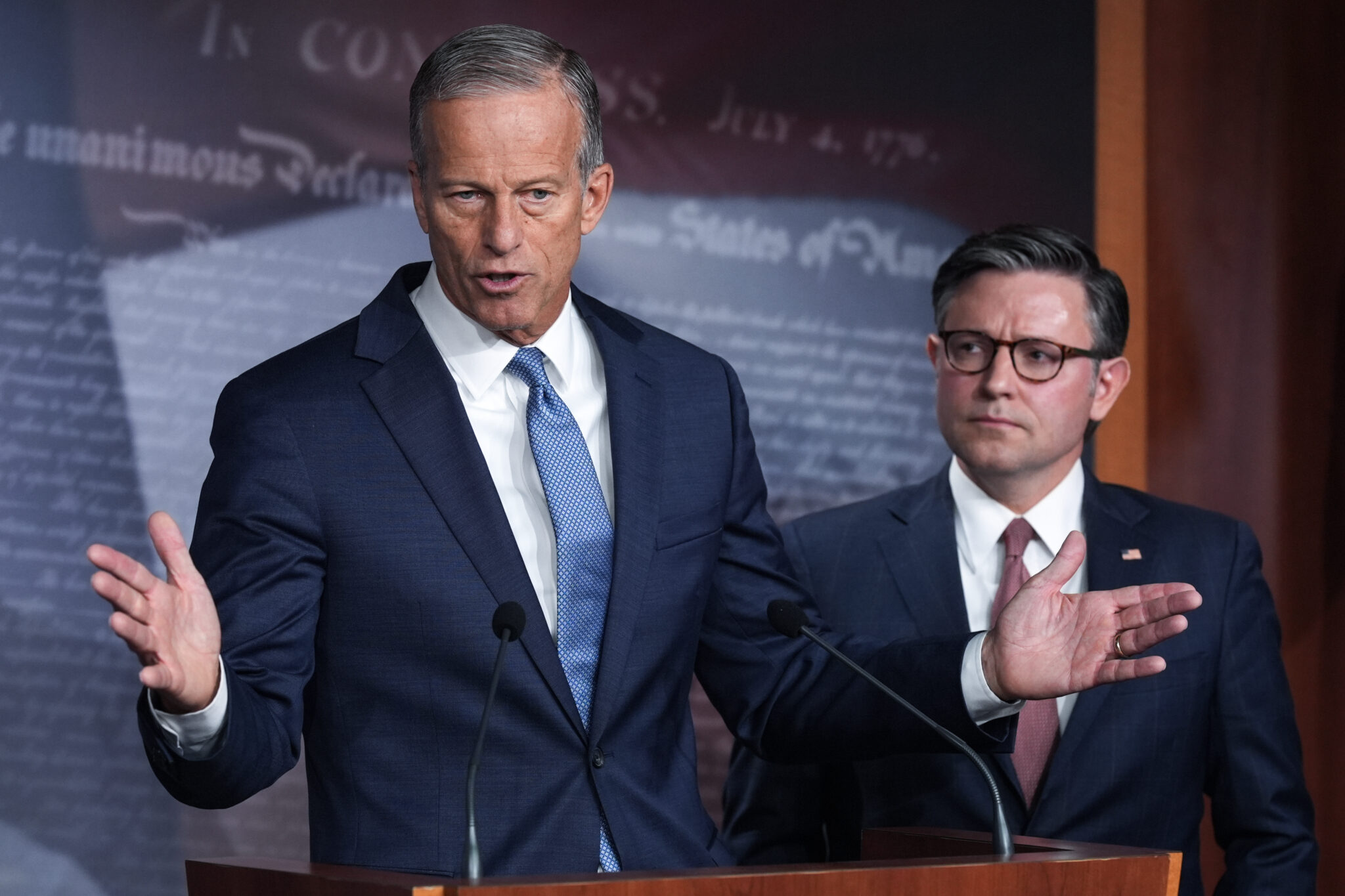
Senate Majority Leader John Thune acknowledged that Republicans are still negotiating how to handle mail voting provisions within the bill.
While Trump has called for broader restrictions, Thune suggested the party may focus on curbing ballot harvestinga practice where third parties collect and submit multiple ballots.
“I understand his passion,” Thune said of Trump’s concerns about election practices.
He added that Republican lawmakers are working to determine what specific proposals might address what they view as weaknesses in the current system.
Political Stakes Ahead of Midterms
Although the SAVE America Act faces long odds in the Senate, the debate itself carries significant political implications.
Republicans see the issue as a way to rally their base and emphasize election integrity concerns.
Democrats, meanwhile, argue that the bill would restrict voting access and disproportionately affect certain groups of voters.
With midterm elections approaching, the upcoming Senate debate is likely to become one of the most contentious legislative battles of the year — even if it ultimately ends without the bill becoming law.
More on US News

Comments are closed.