

Iran Allows 2 Indian Tankers to Pass Through Strait Of Hormuz Amid West Asia Conflict After Diplomatic Talks With India
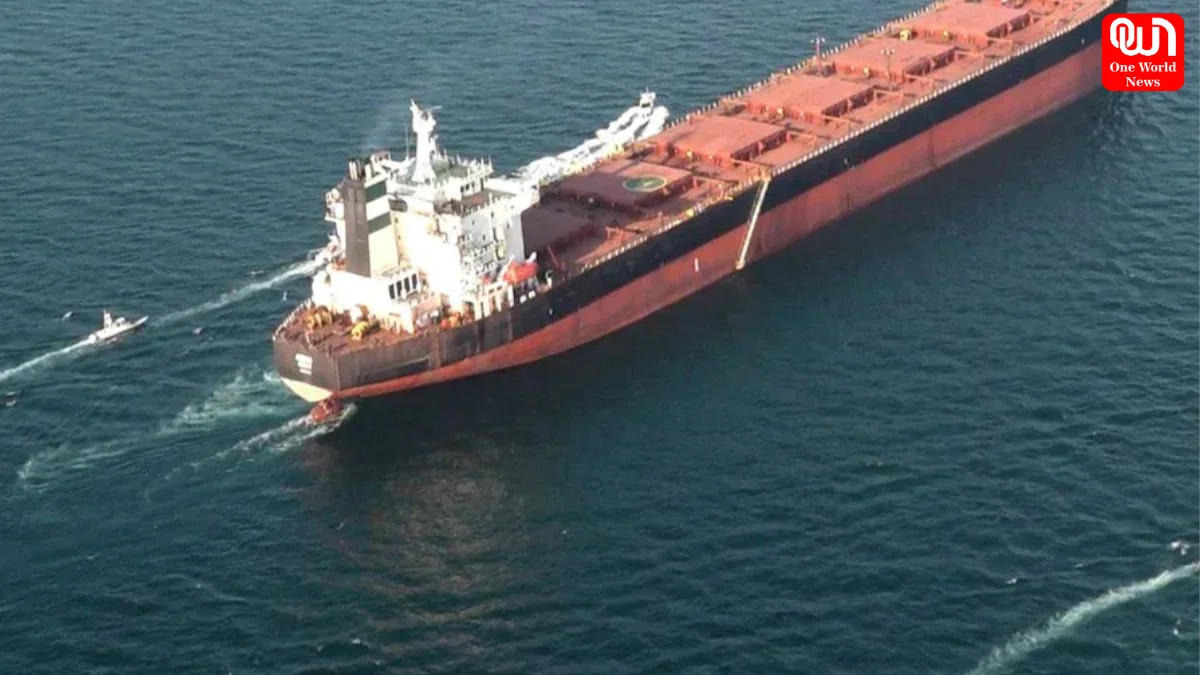
Iran allowed two Indian oil tankers to pass through the Strait of Hormuz, offering temporary relief to India amid escalating tensions in West Asia. The development came after diplomatic engagement between New Delhi and Tehran as global shipping routes in the region faced growing security risks. The decision that Iran allows 2 Indian tankers pass through Strait Of Hormuz has significant implications for global energy trade and maritime security.
Iran Allows 2 Indian Tankers Pass Through Strait Of Hormuz
The two Indian-flagged oil tankers — Pushpak and The best — were permitted to safely transit the strategic waterway despite heightened conflict in the Gulf region. Reports suggest the clearance came following discussions between India’s External Affairs Minister S. Jaishankar and Iran’s Foreign Minister Abbas Araghchi, aimed at ensuring safe passage for Indian energy shipments.
The Strait of Hormuz remains one of the world’s most critical oil shipping lanes, carrying a major portion of global crude oil supplies. India relies heavily on this route for its energy imports, making the decision that Iran allows 2 Indian tankers pass through Strait Of Hormuz a major diplomatic and economic development.
West Asia Conflict Raises Global Shipping Concerns
The announcement comes during an intense phase of the ongoing West Asia conflict involving Iran, Israel, and the United States. Military tensions and attacks on commercial vessels have disrupted maritime traffic in the Persian Gulf and increased fears of a broader energy crisis.
In recent days, several ships in the region have faced attacks or damage amid escalating hostilities. The situation has forced shipping companies and governments to reassess the safety of navigation through the Strait of Hormuz, which handles nearly 20 percent of the world’s oil trade.
Read more: LPG Cylinder New Rules 2026: Why Gas Prices Are Rising And What It Means For Consumers
Because of the growing risk to maritime routes, many vessels have either delayed their journeys or rerouted shipments. The development that Iran allows 2 Indian tankers pass through Strait Of Hormuz signals a limited exception in an otherwise tense maritime environment.
India’s Diplomatic Efforts
India moved quickly to address the safety of its ships and sailors operating in the Persian Gulf. Officials expressed concern about attacks on commercial vessels and emphasized the need to protect energy supply lines vital to the country’s economy.
Diplomatic engagement between India and Iran appears to have played a key role in securing safe passage for the two tankers. India is one of the world’s largest energy consumers and imports a significant share of its crude oil through Gulf shipping routes.
By ensuring that Iran allows 2 Indian tankers pass through Strait Of Hormuz, India managed to prevent immediate disruptions to critical oil shipments. However, officials continue to monitor the situation closely as tensions in the region remain unpredictable.
Why the Strait of Hormuz Matters
The Strait of Hormuz is widely considered one of the most strategically important waterways in the world. Located between Iran and Oman, the narrow sea passage connects the Persian Gulf to the Arabian Sea and serves as a key gateway for oil exports from Gulf nations.
Because such a large portion of global energy shipments pass through this route, any disruption can have serious consequences for international markets. Even temporary restrictions or military threats in the region often lead to fluctuations in oil prices and shipping insurance costs.
For India, which imports a large share of its energy from West Asia, the stability of the Strait of Hormuz is directly linked to national energy security. The development that Iran allows 2 Indian tankers pass through Strait Of Hormuz therefore carries major strategic significance.
read more: Maharashtra Govt Rolls Out Massive HPV Vaccination Campaign for Girls
Uncertainty Still Remains
Despite the safe transit of the two tankers, uncertainty continues to surround the wider maritime situation. Reports indicate that shipping linked to some Western nations still faces restrictions in the region, while the threat of attacks on vessels remains high.
The ongoing conflict has already led to reduced maritime traffic and heightened military presence in the Gulf. Analysts warn that any further escalation could disrupt shipping on a much larger scale.
For now, the news that Iran allows 2 Indian tankers pass through Strait Of Hormuz provides a temporary diplomatic breakthrough and relief for India’s energy supply chain. However, the broader geopolitical tensions in West Asia mean the situation could change rapidly in the coming weeks.

Comments are closed.