
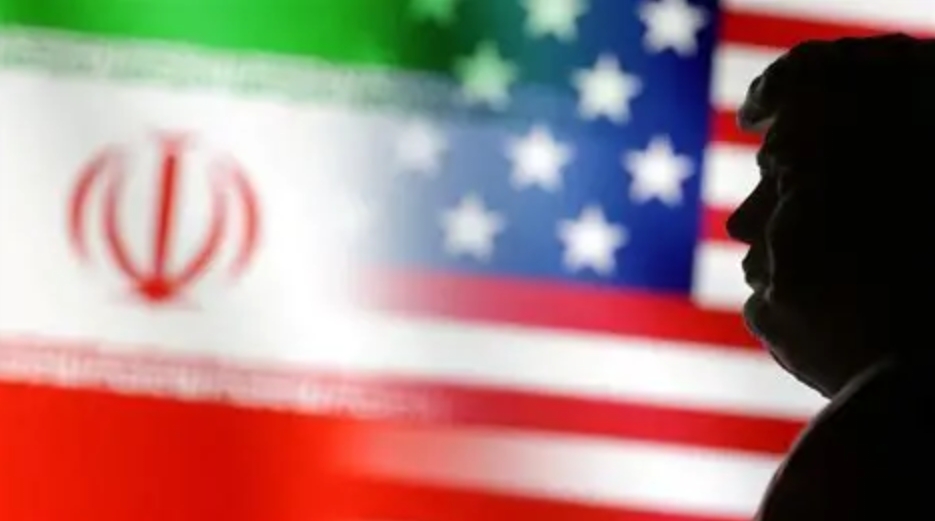

The ongoing US-Israel war against Iran, which started on February 28, 2026 during Ramadan, has turned into a major regional conflict. In these attacks, Supreme Leader Ali Khamenei was assassinated and nuclear/missile sites were targeted. Iran retaliated with missiles, drone strikes, proxy attacks (Hezbollah), and disruption in the Persian Gulf. These disruptions include damaging tankers, threatening to close the Strait of Hormuz, sending oil prices above $100 a barrel and threatening global energy security.
This “Ramadan war” highlights a shift towards power politics (“whose stick is his buffalo”), where diplomacy gives way to force – as seen in Russia’s Ukraine actions and China’s Taiwan stance. Energy-secure countries like the US (self-reliant) and Russia (exporting) remained untouched; Proactive China has ensured long-term supply. India, the world’s fourth largest economy, is still vulnerable: it imports about 85–90% of its oil (much of which is imported via the Canal of Hormuz) as well as gas/fertilizers, making it vulnerable to economic pressures due to price fluctuations, shortages, and disrupted transportation.
Dependence on defense further increases the risks—India is dependent on partial imports from Russia, France, Israel and the US, while domestic production is slow due to delays in public sector undertakings, bureaucratic slowness and civil-military-private sector mistrust, despite “self-reliance” goals.
The old non-aligned mentality (“hope for peace”) hinders pragmatic, interest-based foreign policy, while major powers influence India through lobbies.
This conflict signals a sense of urgency: India must reduce defense red tape, empower domestic entrepreneurs to move beyond assembly to full OEM capabilities, and adopt clear, power-driven strategic autonomy. Without comprehensive reforms such as reducing import vulnerabilities and building self-reliance, India may remain vulnerable in a multipolar world, where power is prioritized over multilateral norms. The Gulf crisis is not far off; This is a clear warning that reforms must be accelerated before crises become dominant.

Comments are closed.