

8 Most Expensive Fruits in the World and Why They Cost So Much
Fruits are usually everyday staples, but in some parts of the world, they are treated as luxury items. In Japan and other countries, rare fruits are cultivated with meticulous care, auctioned for prestige, and gifted as symbols of status. Here are eight of the most expensive fruits globally — and the reasons behind their sky‑high prices.
1. Yubari King Melon (Japan)
- Price: Up to tens of thousands of dollars at auction.
- Reason: Grown in Yubari greenhouses with strict climate control. Each melon is hand‑tended for perfect sweetness, size, and shape. Considered the ultimate luxury gift in Japan.
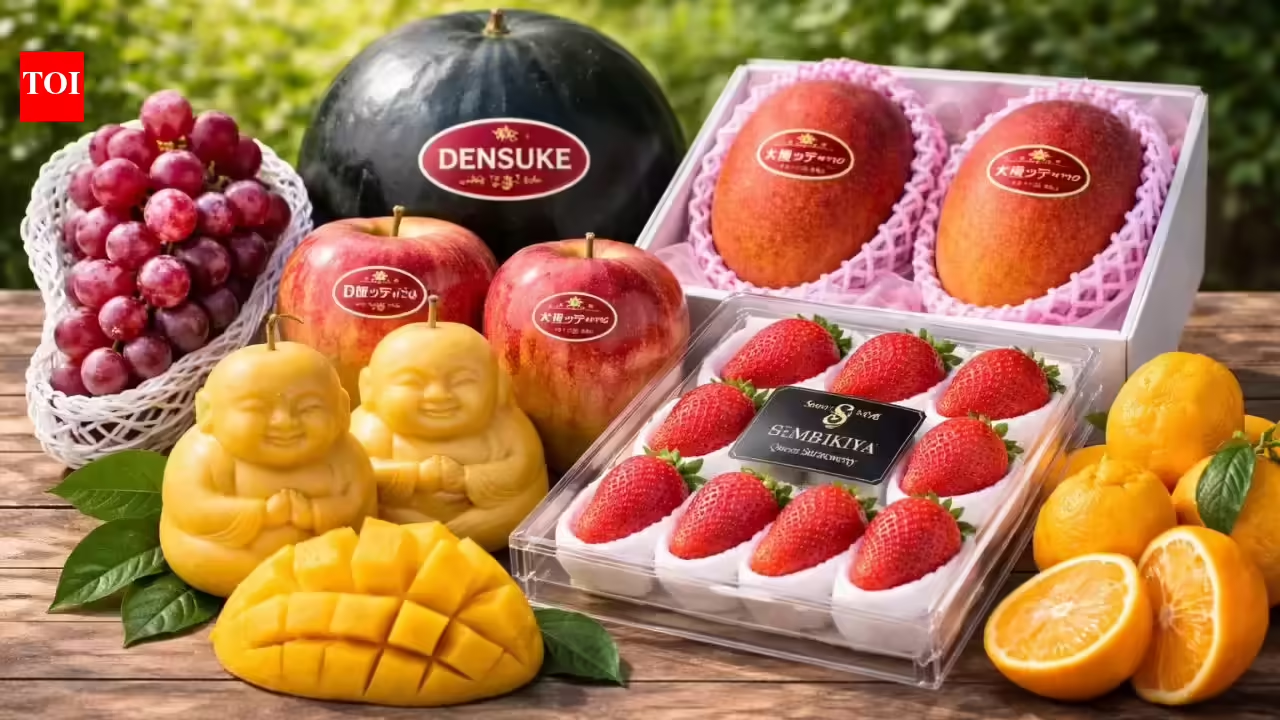
2. Densuke Watermelon (Hokkaido, Japan)
- Price: Rare specimens fetch thousands of dollars.
- Reason: Limited production, unique jet‑black rind, and strict grading. Scarcity and prestige drive auction prices.
3. Ruby Roman Grapes (Ishikawa, Japan)
- Price: Bunches sold for thousands of dollars.
- Reason: Large, perfectly round grapes with high sugar content. Only top‑graded bunches qualify for premium auctions.
4. Taiyo no Tamago Mango (Miyazaki, Japan)
- Price: Thousands of dollars per pair at auction.
- Reason: Known as “Egg of the Sun,” these mangoes are cultivated under strict standards for color, sweetness, and weight.
5. Sekai‑ichi Apple (Japan)
- Price: Hundreds of dollars each.
- Reason: Carefully pruned and bagged to ensure flawless skin and uniform size. Labor‑intensive cultivation makes them rare.
6. Sembikiya Queen Strawberries (Japan)
- Price: Premium boxes cost hundreds of dollars.
- Reason: Each strawberry is individually inspected, packaged, and sold as a luxury gift item.
7. Square Watermelon (Japan)
- Price: Hundreds of dollars for novelty specimens.
- Reason: Grown inside molds to achieve a square shape. More of a decorative item than a fruit for eating.
8. Buddha‑Shaped Pears (China)
- Price: Up to $9–10 each, far above normal pears.
- Reason: Grown in molds to resemble Buddha’s figure. Popular as novelty gifts and symbols of good luck.
Why These Fruits Cost So Much
- Scarcity: Limited production and strict grading mean only a few fruits qualify as “premium.”
- Labor‑intensive cultivation: Farmers use techniques like hand‑pollination, pruning, bagging, and greenhouse control.
- Prestige gifting culture: In Japan especially, fruit is a luxury gift, so presentation and perfection matter as much as taste.
- Auction dynamics: Competitive bidding at regional auctions pushes prices far beyond retail value.
Takeaway
These fruits are not just food — they are symbols of luxury, craftsmanship, and cultural prestige. While most of us enjoy everyday apples or mangoes, these rare varieties remind us how far human care and tradition can elevate something as simple as fruit.

Comments are closed.