
‘No one will give jobs to women…’ Supreme Court gave a befitting reply to the demand for periods leave, 5 big things of CJI

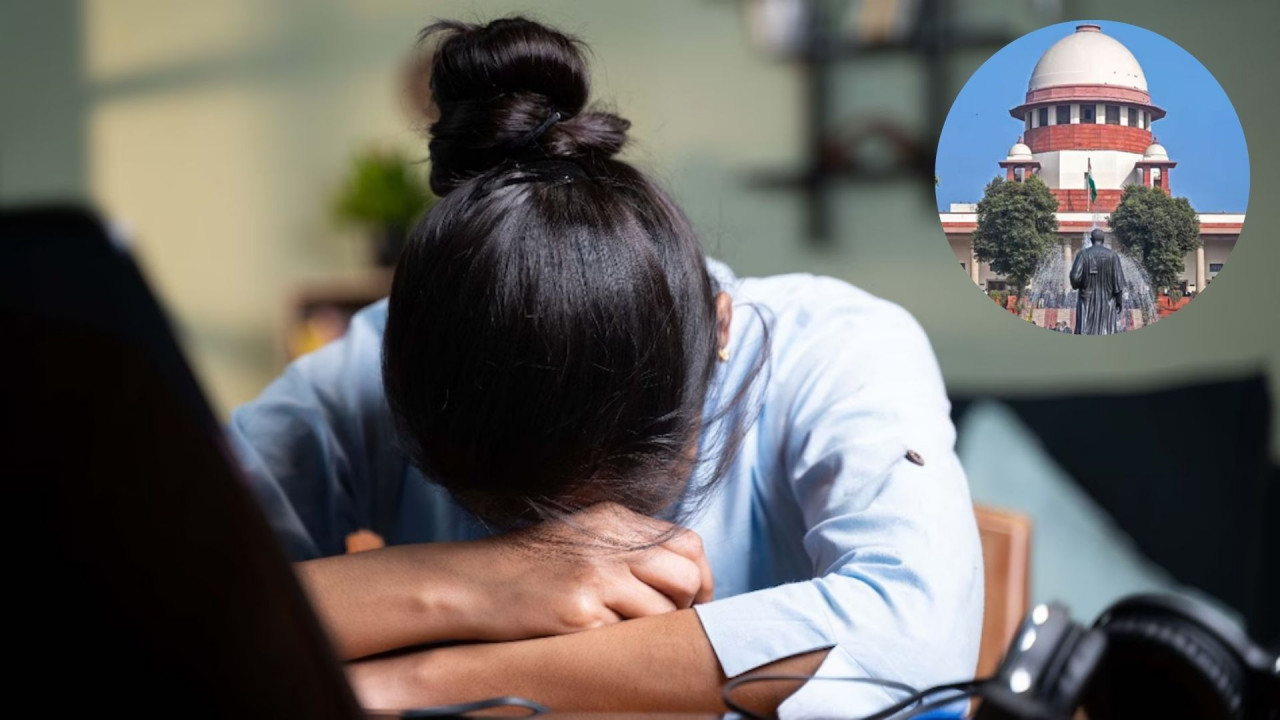
New Delhi: The Supreme Court has refused to hear the PIL demanding mandatory leave during menstruation for working women and girl students. The bench of Chief Justice Surya Kant and Justice Joymalya Bagchi said that this is a policy matter, hence the petitioner should approach the government. While rejecting the petition, the court made several important observations, which are related to women’s employment and rights.
Who filed the petition?
This petition was filed by lawyer Shailendra Mani Tripathi. She argued that if there is a provision like maternity leave, leave should also be given during menstruation. He had demanded instructions to all the states to make laws on this. Some private companies and the Kerala government are already offering such leave, but the petitioners wanted it to be made mandatory across the country.
5 big comments of Supreme Court
- Danger of making women look weak: The court said that such petitions can create an environment of making women look weak or inferior. It may seem that menstruation is a bad or negative thing, whereas it is a natural process.
- Fear and misconception: The bench remarked that these demands could spread fear and create an opinion in the society that women cannot do normal work due to menstruation.
- Jobs will be affected by mandatory leave: The Chief Justice expressed concern that if it is made mandatory by law, companies may avoid giving women important positions or jobs with responsibilities. Women’s careers can be affected by this.
- Employers will shy away from hiring women: The court clearly said that the rule of compulsory leave "no one will give jobs to women". Their path to government jobs or judiciary may also be closed. Voluntary leave is good, but making rules forcibly can have the opposite effect.
- Government should make policy, talk to all parties: The court suggested to the Central Government that the Ministry of Women and Child Development or the concerned department should consider making an appropriate policy on menstrual leave after discussing with all the stakeholders.

Comments are closed.