
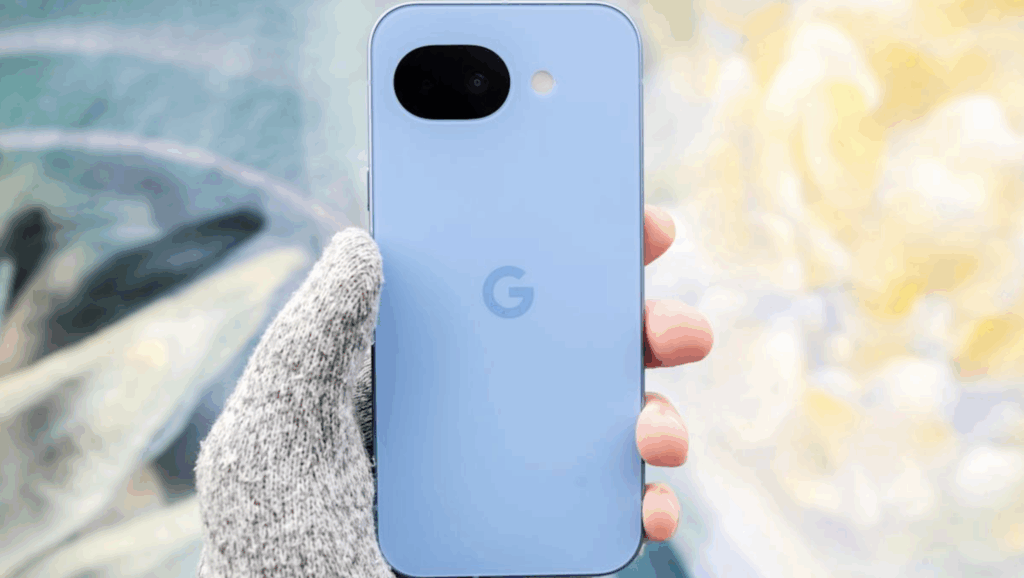

Google’s upcoming Pixel 10a smartphone will include a battery management system that intentionally reduces charging speed and usable battery capacity over time. The feature, called Battery Health Assistanceis designed to extend battery lifespan and improve safety, though it may lead to slower charging as the device ages.
What Is Battery Health Assistance?
Battery Health Assistance is a software-based battery management system developed by Google for newer Pixel devices. It automatically monitors how many times the battery has been charged and adjusts the charging behavior accordingly.
The feature works by gradually limiting charging speed and reducing the effective battery capacity as the phone accumulates charging cycles. This helps reduce stress on lithium-ion batteries, which naturally degrade over time.
Unlike earlier Pixel phones where similar features could sometimes be turned off, the Pixel 10a will have this system permanently enabledmeaning users will not be able to disable it.
When the Battery Throttling Starts
The system does not activate immediately. Instead, it begins working gradually as the battery ages.
- After about 200 charging cyclesthe phone starts reducing charging speed.
- The restrictions increase progressively with more usage.
- By around 1,000 charging cyclesthe maximum level of battery throttling is applied.
A charging cycle usually means using 100% of the battery’s capacity (for example, from 0% to 100%, or two charges from 50% to 100%).
Why Google Introduced This Feature
Google says the goal is to improve battery longevity and reduce safety risks. Lithium-ion batteries can degrade faster when constantly charged at high speed or high voltage. By controlling charging behavior, the company hopes to make the battery last longer and remain stable over time.
Another reason behind the move is past battery issues in some Pixel devices. Reports of overheating, battery swelling, and even rare fire incidents in earlier Pixel A-series models prompted Google to introduce stricter battery protection systems.
How It Affects Users
For everyday users, the feature may lead to a few noticeable changes over time:
- Charging may become slower after several months or years of use.
- The battery may hold slightly less maximum charge than when new.
- The phone may take longer to reach 100% after heavy usage.
However, Google argues that the trade-off helps extend the overall life of the battery and prevent long-term damage.
Not Yet Common Across the Industry
While many smartphone brands use battery protection tools like charging limits or optimized chargingGoogle’s approach of automatically reducing battery capacity and charging speed over time is still relatively uncommon in the industry.
Some manufacturers instead limit charging to around 80% or adjust charging patterns without permanently reducing capacity.
Image Source

Comments are closed.