

According to Korea JoongAng Dailythe shift is reflected in retail sales data. At convenience store chain GS25, the share of canned coffee in beverage sales fell from 23.6% in 2023 to 20.6% last year. Over the same period, tea’s share rose from 11.9% to 12.3%.
Other beverages perceived as healthier alternatives are also gaining popularity. Data from GS25’s operator showed that sports drink sales increased from 34.5% in 2023 to 38.8% in 2025, while the share of zero-sugar sodas rose from 13.7% to 14.3%.
Retailers say the trend extends beyond convenience stores. At Lotte Mart, tea sales in February rose 11% from the previous month, while health supplement beverages increased 4%. Instant coffee sales, however, fell 1% over the same period.
Data from Starbucks Korea also points to growing demand for tea-based drinks. The company reported in January that its five best-selling beverages in 2025 were all tea-based: Grapefruit Honey Black Tea, Honey Citrus Mint Tea, Jeju Malcha Latte, Matcha Glazed Tea Latte and Starbucks Classic Milk Tea. Overall, sales of tea-based drinks at the brand rose 8% in 2025 from a year earlier, while purchases among customers in their 20s jumped 20%.
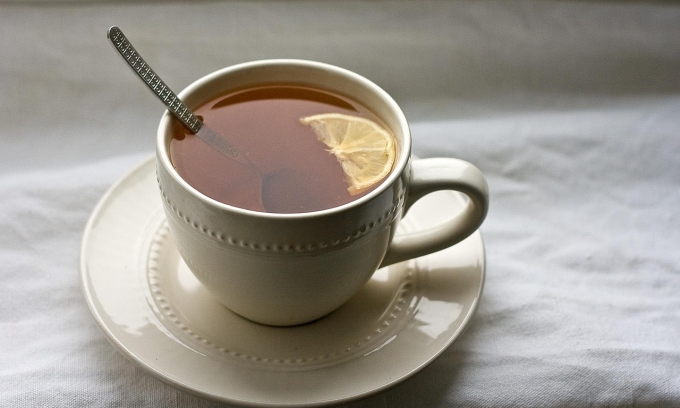
A cup of tea with a slice of lemon. Illustration photo by Pixabay |
Even among coffee drinkers, preferences are shifting, with decaffeinated options gaining popularity as consumers seek to reduce caffeine intake. South Korea’s imports of decaffeinated green coffee beans rose from 1,724 tons in 2018 to 10,040 tons last year.
In October last year, Starbucks Korea told The Korea Times that its decaffeinated coffee sales increased from 20.2 million cups in 2022 to 21 million in 2023 and 32.7 million in 2024. At the time, decaf accounted for about one in every 10 cups of Americano sold nationwide.
Health awareness, often fueled by social media and online wellness content, has played a major role in the shift. Park Jin Woo, a resident of Seoul’s Gangseo District, told Korea JoongAng Daily that watching health-related videos online made him reconsider his daily drink choices.
“I saw on YouTube that because people drink beverages every day, sometimes several cups a day, even cutting back a little on sugar or caffeine can make a big difference,” Park said. “There are plenty of drinks on the market now that taste good and are also healthier, so whenever possible I choose decaffeinated coffee or zero-sugar drinks.”

Comments are closed.