
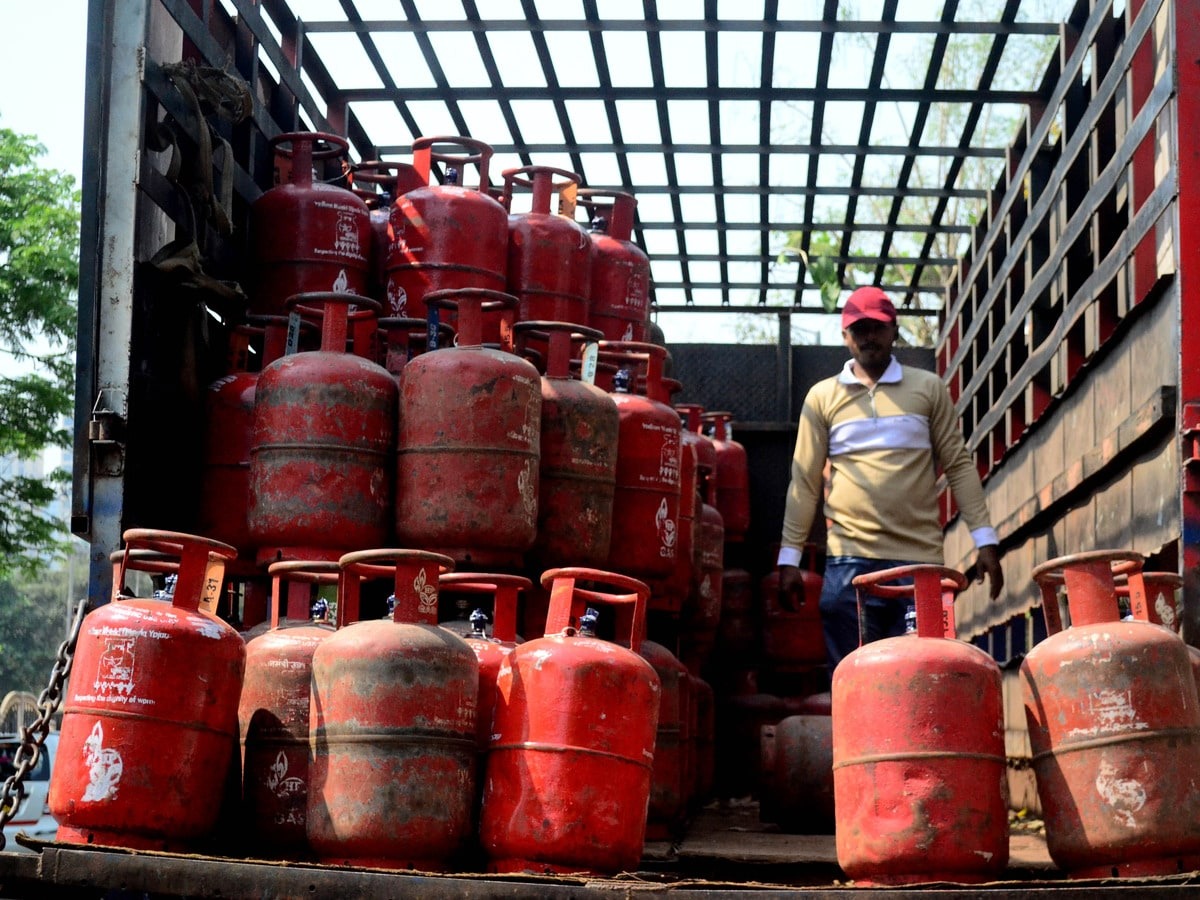

For decades, the red gas cylinder has been a staple of the Indian kitchen. We’ve all felt the slight panic of a cylinder running out in the middle of a big meal or the chore of tracking booking dates. However, the government is now looking to simplify this process for roughly 60 lakh customers by encouraging a move toward Piped Natural Gas (PNG).
What is the Difference for You? At first glance, it’s just about how the gas reaches your stove, but the practical benefits are quite significant:
Constant Supply: Unlike LPG, which requires booking and waiting for delivery, PNG is like a water connection—it’s always there. You never have to worry about “running out” unexpectedly.
Space and Safety: Shifting to PNG means you no longer need to store heavy, bulky cylinders in your kitchen. This creates more space and is generally considered safer as the pressure in the pipes is much lower than in a pressurized cylinder.
Pay for Use: Instead of paying for a full cylinder upfront, PNG works on a meter system. You only pay for exactly what you consume, which can be a relief for smaller families or those who dine out often.
Why is the Government Pushing This? The logic behind the move is twofold. First, it’s about efficiency. Transporting gas through pipes is far more cost-effective and environmentally friendly than driving thousands of delivery trucks across crowded cities every day. Second, it helps manage the supply of LPG. By moving urban households with existing pipeline infrastructure to PNG, the government can redirect more LPG cylinders to rural areas where pipelines haven’t reached yet.
Is it Mandatory? While the government is actively encouraging the shift, the focus is currently on “informed transition.” If your colony or apartment complex already has the infrastructure for piped gas, you may receive a notification or a visit from a service provider. The goal is to make the switch as seamless as possible, often with incentives for early adopters.
The Bottom Line The transition from a physical cylinder to a pipeline is more than just a logistical change; it’s a step toward a more “smart” and hassle-free lifestyle. While the initial setup might take a bit of effort, the long-term convenience of never having to “book a refill” again is a win for many busy households.
Read More: The 60-Lakh Move Why the Govt is Asking Families to Swap LPG for PNG Today

Comments are closed.