
Death of Ohio Air National Guard member in Iraq aircraft crash raises legal scrutiny over military deployment and aviation safety

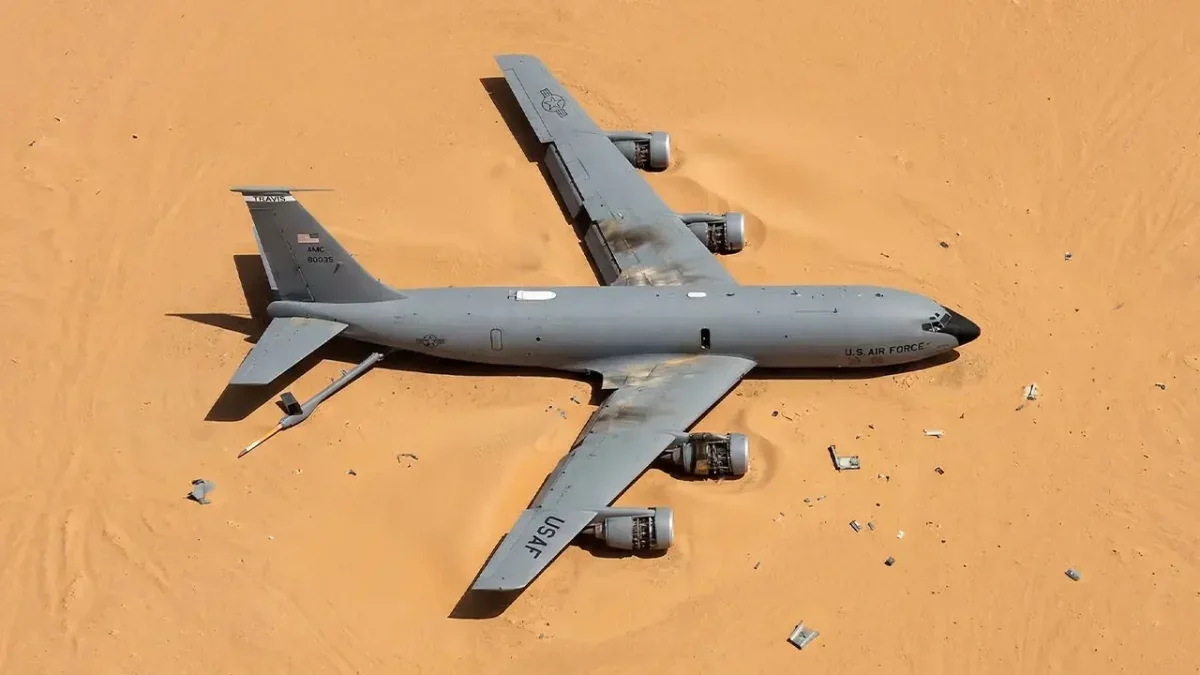
The identification of a twenty-eight-year-old member of the Ohio Air National Guard among the six American personnel killed in a military aircraft crash in Iraq has intensified attention on the legal and operational environment surrounding United States military deployments in the Middle East. The service member was reportedly aboard a Boeing KC-135 Stratotanker that crashed during a mission in western Iraq at a time when tensions linked to the ongoing conflict with Iran have placed extraordinary demands on American military logistics. The tragedy has generated both national mourning and a deeper policy discussion concerning the legal framework governing reserve component deployments, aviation safety during wartime operations and the broader strategic implications of sustained military presence in volatile regions. From a legal and international relations perspective, the incident reflects the intersection of military operational law, aviation safety regulations and international agreements governing the presence of foreign armed forces in sovereign states.
Legal structure governing the deployment of National Guard forces overseas
Members of the United States National Guard operate under a unique legal framework that blends state authority with federal military command. Under ordinary circumstances, National Guard personnel serve under the authority of state governors. However, when federalised by presidential order, they become part of the active military structure and fall under federal command. Once federalised, National Guard personnel deployed abroad operate under the same legal authorities governing the broader armed forces. Their deployment to operational theatres such as Iraq is authorised through defence legislation passed by Congress and executive orders issued by the president as commander-in-chief. The presence of United States forces in Iraq is governed by bilateral arrangements between Washington and Baghdad that regulate the legal status of foreign military personnel operating within Iraqi territory. These arrangements typically determine jurisdiction over criminal matters, operational permissions and coordination procedures with local authorities. Consequently, any accident involving United States forces deployed in Iraq falls within a multilayered legal framework combining domestic military law, bilateral agreements and international norms governing armed forces abroad.
Aviation safety law within military operations
Military aviation is regulated through internal legal frameworks that parallel civilian aviation safety standards but incorporate operational requirements unique to defence missions. Aircraft such as the KC-135 Stratotanker perform complex logistical roles, including aerial refuelling missions that extend the operational range of combat aircraft. The safety of such missions is governed by strict technical regulations covering aircraft maintenance, crew training and mission planning. Military aviation law requires commanders to ensure that aircraft meet rigorous operational readiness standards before deployment. When accidents occur, defence authorities initiate formal investigation procedures to determine whether mechanical malfunction, human error or operational conditions contributed to the crash. Investigative boards composed of aviation engineers, operational commanders and technical experts examine flight data, maintenance records and environmental conditions in order to identify the precise causes. The findings of these investigations frequently lead to procedural reforms intended to prevent similar incidents in the future.
Military aviation risks in conflict zones
Operating military aircraft in regions experiencing armed conflict introduces additional safety challenges beyond those faced in civilian aviation. Aircraft may encounter unpredictable weather conditions, congested operational airspace and the logistical complexities associated with sustained military campaigns. Refuelling aircraft such as the KC 135 often operate at the centre of complex aerial operations that involve multiple aircraft types conducting simultaneous missions. Coordination between aircraft, command centres and surveillance systems becomes essential to maintaining safe operations. In wartime environments, the urgency of operational requirements may also increase the frequency and intensity of flights. Although military forces maintain strict safety protocols, the pressures associated with sustained operational tempo inevitably increase the risk of accidents. The crash, therefore, highlights the inherent dangers faced by service members operating advanced military equipment in demanding environments.
International humanitarian and diplomatic implications
While the crash appears to be an aviation accident rather than a hostile attack, incidents involving military personnel in foreign countries often carry diplomatic implications. Host nations typically cooperate with investigative processes and provide support in recovery operations. The presence of foreign military personnel can be politically sensitive within host countries, particularly in regions where public opinion regarding foreign troop deployments is divided. Transparent investigations and respectful handling of incidents therefore play an important role in maintaining diplomatic trust between partner governments. The cooperation between Iraqi authorities and United States military investigators will likely form part of the broader investigative process as officials seek to determine the cause of the crash.
Strategic significance of logistical aircraft in modern warfare
The KC 135 Stratotanker occupies a crucial role in modern air power strategy. Its aerial refuelling capability allows combat aircraft to operate over long distances and remain in operational areas for extended periods. Without such aircraft, the ability of air forces to conduct sustained surveillance missions, defensive patrols and strike operations would be significantly reduced. As a result,t refuelling aircraft are often deployed in regions where strategic interests require continuous aerial

Comments are closed.