
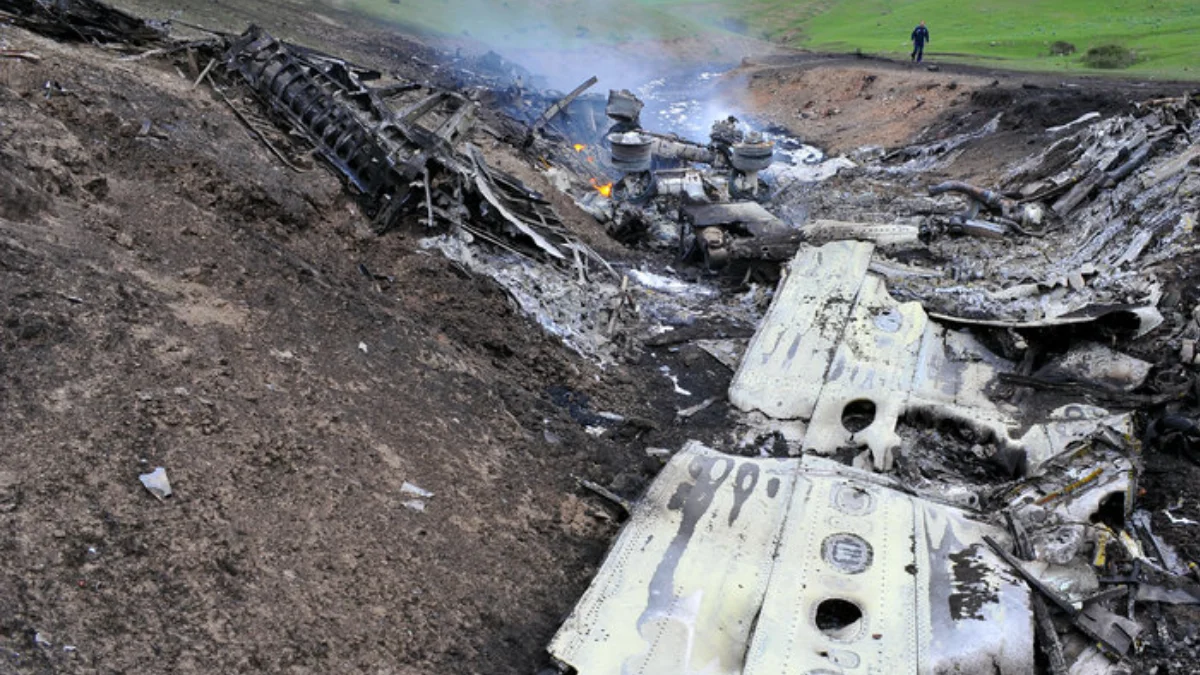
KC 135 crash in western Iraq raises legal scrutiny over military aviation safety and operational accountability

The crash of a military refuelling aircraft in western Iraq that killed six American service members has prompted a comprehensive investigation by the United States Department of Defence. The aircraft involved, identified as a Boeing KC-135 Stratotankerwas reportedly operating in a region that continues to host complex military operations involving surveillance, logistics and aerial refuelling missions. The tragedy has renewed legal and strategic debate regarding the operational risks associated with military aviation in active deployment environments. When fatal accidents occur during military missions abroad, they trigger not only technical aviation investigations but also broader legal assessments concerning operational oversight, safety protocols and the responsibilities of armed forces operating in foreign territory. From a legal and international relations perspective, the incident illustrates how military aviation accidents intersect with the law governing armed forces abroad, aviation safety standards and the accountability mechanisms that regulate defence operations.
Legal framework governing military aircraft operations abroad
Military aircraft operating outside national territory function within a legal environment shaped by multiple layers of domestic and international regulation. The presence of foreign armed forces in Iraq is governed by bilateral arrangements between the United States and the Iraqi government that regulate the legal status of deployed personnel, aircraft operations and logistical activities. Such agreements generally fall within the category of Status of Forces arrangements, which establish the legal rights and obligations of foreign troops operating within host countries. These frameworks typically address jurisdictional questions, operational permissions and coordination with local authorities. Military aviation missions conducted under these arrangements must also comply with operational directives issued by the deploying state’s defence institutions. Safety standards for aircraft maintenance, crew training and mission planning are governed by military aviation regulations that parallel, but are distinct from, civilian aviation law. In the event of an accident, investigative authorities must determine whether the aircraft was operating within the authorised parameters established by these legal and operational frameworks.
Investigation procedures following military aviation accidents
When a military aircraft crashes, defence authorities initiate a formal investigative process designed to determine the causes of the incident and identify potential procedural failures. These investigations typically involve specialised accident boards composed of aviation experts, engineers and operational commanders. The purpose of such investigations is not only to determine whether mechanical malfunction, human error or environmental conditions contributed to the crash but also to identify systemic issues that may affect broader operational safety. The findings of these investigations frequently lead to modifications in training protocols, maintenance procedures or operational planning. In some cases, recommendations may involve the temporary suspension of certain aircraft operations until safety concerns are addressed. Because military aviation missions often occur in challenging operational environments, investigators must examine factors such as weather conditions, airspace congestion and potential threats that could influence flight safety.
Military aviation and international humanitarian considerations
Although the crash appears to involve an accident rather than combat activity, military aviation incidents in conflict zones inevitably raise questions about the broader legal environment governing armed forces operations. International humanitarian law places obligations on military forces to conduct operations in ways that minimise risks to civilian populations and infrastructure. Aerial refuelling aircraft such as the KC-135 play a critical logistical role in sustaining combat aircraft engaged in surveillance, strike missions and defensive operations. Their presence in operational theatres reflects the complex infrastructure required to support modern air power. Accidents involving such aircraft can therefore disrupt broader operational activities and highlight the logistical vulnerabilities associated with prolonged military deployments. International legal scholars often note that maintaining strict safety standards during military operations is not only a matter of internal discipline but also a component of responsible military conduct under international norms.
Strategic significance of aerial refuelling capabilities
The KC-135 Stratotanker has long served as one of the most important components of the United States global military aviation. Designed to extend the operational range of combat aircraft, aerial refuelling capabilities allow air forces to conduct long-distance missions without reliance on forward bases. In theatres such as the Middle East, where vast distances separate operational zones from major airbases, refuelling aircraft are essential to sustaining continuous aerial operations. They support surveillance flights, intelligence gathering missions and defensive patrols. The loss of a refuelling aircraft therefore, carries operational implications that extend beyond the immediate tragedy. Commanders must assess how the incident affects logistical planning and whether additional aircraft are required to maintain mission continuity. These considerations highlight the strategic importance of military aviation infrastructure within contemporary security operations.
Diplomatic and geopolitical implications
Military accidents occurring in foreign territories inevitably attract international attention because they involve sensitive questions about the presence of foreign armed forces within sovereign states. Although accidents are not uncommon in military aviation, they can influence political discussions about the legitimacy and sustainability of foreign deployments. In Iraq, the presence of foreign military personnel has historically been a subject of domestic political debate. Incidents involving military operations or accidents may therefore contribute to broader discussions regarding the future of international military cooperation in the region. Governments hosting foreign forces typically cooperate with investigative processes to ensure transparency and maintain diplomatic trust between allied states.
Accountability and the future of military aviation safety
The investigation into the crash of the KC-135 aircraft represents an essential step in maintaining accountability within military institutions. Armed forces around the world rely on rigorous accident investigation procedures to ensure that lessons are learned from tragic incidents. Such processes reinforce the principle that operational readiness must be accompanied by strict adherence to safety standards. Military aviation operates within environments where technical complexity and operational risk intersect, making continuous evaluation of procedures vital. The loss of six service members underscores the human cost associated with military operations even outside direct combat. As investigators examine the causes of the crash, their findings will contribute to broader efforts aimed at improving aviation safety and protecting the lives of personnel deployed in challenging operational environments. The outcome of the investigation will therefore hold significance not only for the families of those who lost their lives but also for the future conduct of military aviation operations in regions where strategic interests and operational risks converge.

Comments are closed.