
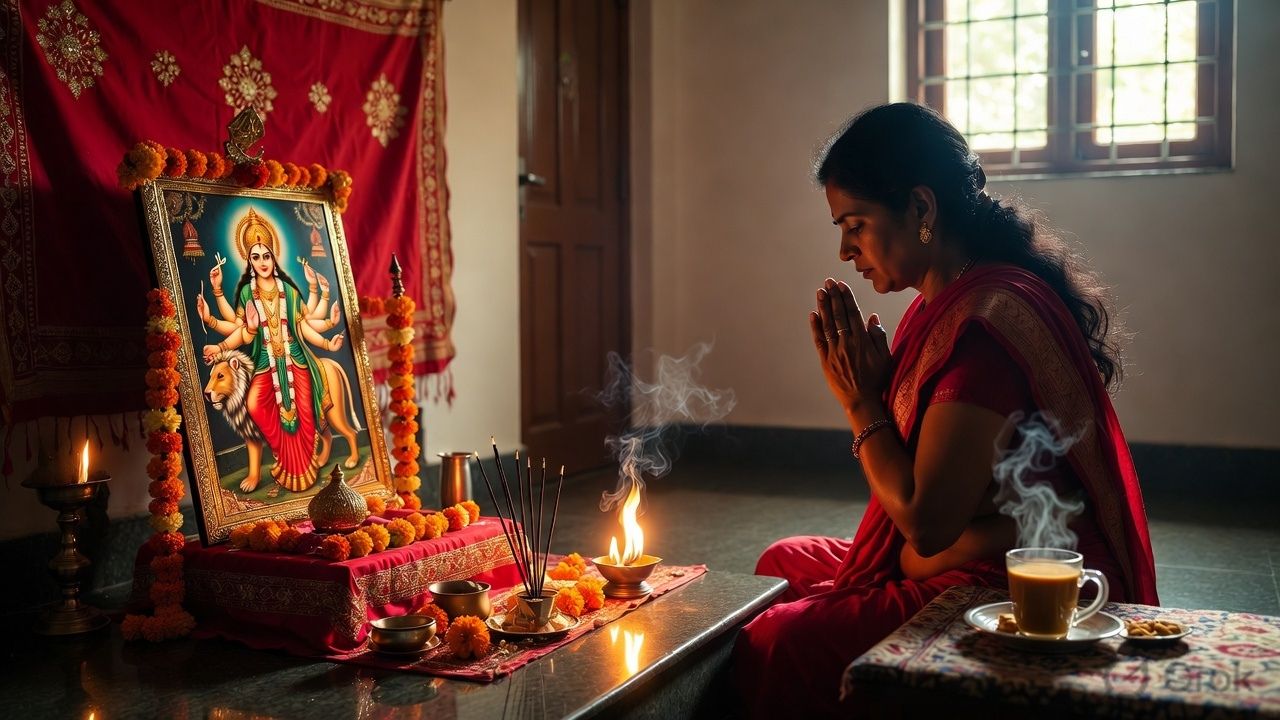

Navratri 2026: The festival of Navratri is celebrated with great enthusiasm, devotion and devotion all over India. These nine special days are dedicated to worshiping nine different forms of Maa Durga. During this period, lakhs of people worship Mata Rani, perform puja and keep fast. The main purpose of fasting is not limited to religious faith only, but it is also a great way to detox the body, keep the mind calm and teach self-control. But the biggest problem during fasting is related to food and drink.
People think about what to eat, what not to eat, what to drink and what things should be completely avoided. Especially there is maximum confusion regarding tea and coffee. Many people take a sip of tea first thing in the morning, their day does not start without tea. Some people feel energetic throughout the day after drinking coffee. But will it be right to take these two during fast or not? Will this break the fast? Let us know about this, so that all your dilemmas are resolved.
Does drinking tea or coffee break the fast?
The rules of eating and drinking during Navratri fast are slightly different according to the traditions of every family, every region and every person. Some strictly eat only things like fruits, milk, sago or potatoes, while others remain a little flexible. From a religious point of view, grains (wheat, rice etc.), salt (common salt), garlic-onion, non-vegetarian items and tamasic food are considered absolutely prohibited during the fast. But the use of milk, curd, fruits, light sweets (like honey or jaggery) and rock salt is considered appropriate in most places.
Now talking about tea and coffee:
- Most of the people take tea with milk during the fast, because it is based on milk and milk is acceptable during the fast. If you add less sugar or jaggery to it and drink it, it is not considered a violation of the fast.
- There is a little more strictness regarding coffee. Some people drink black coffee without sugar and milk, because it is not made from grains. But in many traditions it is considered a rajasic or tamasic drink and is prohibited because caffeine stimulates the mind and the main purpose of fasting is to keep the mind calm.
Overall, it depends on your personal faith, family traditions and regional customs. If drinking tea and coffee is allowed in your house, then you can drink it without any guilt, but in limited quantity.
How are tea and coffee during fasting from health point of view?
From health point of view, excessive consumption of tea and coffee during fasting is not at all good. During fasting the stomach remains mostly empty or light. In such a situation, drinking caffeinated drinks can cause many problems, such as:
Acidity and stomach irritation
Gas and bloating problem
Headache or dizziness (if caffeine is a habit and is suddenly reduced)
Insomnia or feeling restless due to excessive caffeine
Especially coffee is more acidic, hence drinking it on an empty stomach can increase the problem of acid reflux or stomach pain. If there is too much milk and sugar in tea, it may seem heavy and there may be difficulty in digestion. Therefore, if you have a habit, then take only 1-2 cups a day. Try to reduce or avoid adding sugar at all, and use good quality milk.
Better and healthy options to maintain energy during fasting
If you feel tired without tea and coffee, do not panic. There are many great and healthy options to maintain energy during fasting, which also keep the body hydrated and do not give any side effects:
- Coconut Water – Best, gives instant energy and is rich in electrolytes
- Lemon water (with rock salt and honey) – helps in refreshing and detoxifying
- Milk – plain or with the addition of saffron-cardamom, gives very good nutrition
- Fruit juice (fresh juice of apple, banana, orange etc.) – provides energy from natural sugar.
- Buttermilk or Lassi (without salt or with rock salt) – keeps the stomach light.
- Herbal tea (basil, ginger or mint) – This is a good option if you want to avoid caffeine.
So friends, Navratri fast is about faith as well as health. Taking tea or coffee or not is up to your choice and family tradition. But remember the real purpose of fasting is peace of mind, cleanliness of body and dedication towards mother. So whatever you choose, choose with patience. With the blessings of Mother Durga, may your fast be happy and successful.

Comments are closed.