
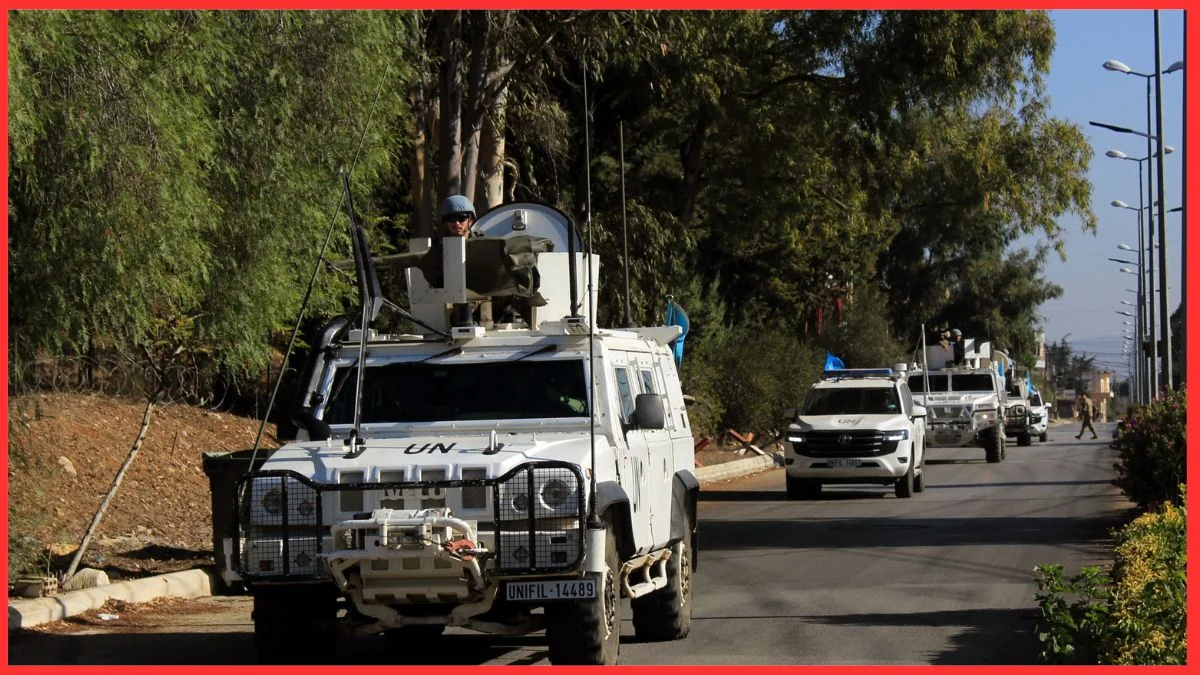

The already fragile security architecture of southern Lebanon was exposed yet again after patrols of the United Nations Interim Force in Lebanon, widely known as UNIFIL, came under gunfire in multiple incidents earlier today. According to an official statement released by the United Nations peacekeeping mission, its troops were targeted in three separate shooting incidents while conducting routine patrol operations in the southern Lebanese localities of Yater, Deir Kifa and Qalawiya. The incidents, although not resulting in casualties, highlight the deeply entrenched challenge facing international peacekeeping operations in a region where state authority remains contested by non state armed actors.
UNIFIL confirmed that the patrols were subjected to gunfire that was most likely carried out by non state armed groups operating in the region. The most alarming of the three incidents occurred in the village of Yater, where gunshots were fired at a distance of approximately five metres from the peacekeeping patrol. Such proximity underscores the deliberate nature of the provocation and signals a level of confidence among armed actors that the international peacekeeping presence will not escalate the situation beyond defensive measures.
The other two incidents unfolded at longer ranges. Gunfire directed at UN peacekeepers in Deir Kifa originated from roughly one hundred metres away, while the patrol in Qalawiya faced shots fired from approximately two hundred metres. In two of the incidents, UNIFIL patrols returned fire strictly in self defence before continuing their patrol duties. The mission confirmed that no peacekeepers were injured during the exchanges.
From a legal and geopolitical perspective, these incidents carry implications far beyond the immediate tactical risk posed to UN personnel. UNIFIL operates under the authority of United Nations Security Council Resolution 1701, which was adopted following the 2006 conflict between Israel and Hezbollah. The resolution explicitly calls for the establishment of an area between the Blue Line and the Litani River that is free of any armed personnel, assets or weapons other than those belonging to the Lebanese Armed Forces and UN peacekeepers.
The presence of weapons outside the control of the Lebanese state, which UNIFIL highlighted in its statement, therefore constitutes a direct violation of the obligations set forth in Resolution 1701. The mission stressed that such armed activity undermines both Lebanese sovereignty and the fragile ceasefire framework that has governed the Israel Lebanon frontier since the end of the 2006 war.
Equally significant is the legal dimension under international humanitarian law. Attacks on United Nations peacekeepers engaged in authorised missions are regarded as serious violations under international legal frameworks governing armed conflict. The targeting of peacekeeping patrols therefore raises profound concerns about the erosion of respect for international norms in contested security environments where non state actors wield substantial influence.
Strategically, the incidents illustrate a broader structural dilemma that has plagued peacekeeping operations across multiple conflict theatres. UNIFIL possesses a mandate to monitor, report and support stability, yet it operates without the robust enforcement authority required to disarm militias or directly confront armed factions entrenched within local communities. This imbalance often leaves peacekeepers exposed to harassment, intimidation or low level attacks designed to test the limits of the mission’s rules of engagement.
The shootings in Yater, Deir Kifa and Qalawiya serve as a stark reminder that the security equilibrium in southern Lebanon remains precarious. While the absence of casualties prevented an immediate diplomatic crisis, the events signal the persistent gap between international resolutions on paper and the realities on the ground. For policymakers, security analysts and international law experts alike, the latest attack on UNIFIL patrols reflects a troubling truth. Without meaningful enforcement of state authority and sustained diplomatic pressure to uphold Resolution 1701, the credibility of peacekeeping missions risks being steadily eroded by armed actors willing to challenge them with impunity.

Comments are closed.