
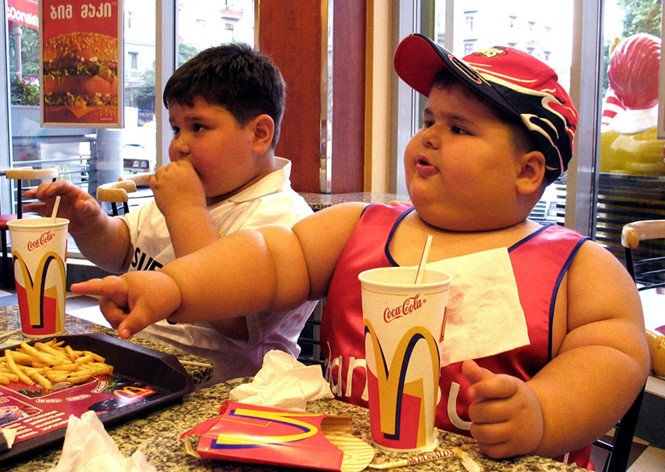

India’s childhood obesity rates are surging by an average of 5% annually, marking it one of the fastest-rising trends recorded anywhere in the world
Published Date – 16 March 2026, 12:36 AM
It’s an ominous health warning we can ignore at our own peril. A dietary shift towards ultra-processed fast foods and a sedentary lifestyle is causing obesity among children, a condition responsible for the early onset of diabetes and hypertension. The latest World Obesity Atlas 2026 has projected a grim picture of India, which now ranks second globally in the absolute number of children living with obesity and overweight, trailing only China. In a staggering demographic shift, over 14.9 million children in the 5-9 years group and 26.4 million in the 10-19 age group were obese in India as of 2025. About 41 million children had a high BMI (Body Mass Index) rate. More alarming than the current numbers is the speed at which the crisis has been unfolding. India’s childhood obesity rates are surging by an average of 5% annually, marking it one of the fastest-rising trends recorded anywhere in the world. If left unchecked, this could take on the form of an epidemic and lead to an explosion of lifestyle-related diseases. The problem lies in the priorities that we set for our children. At present, there is no focus on investing in physical fitness and playgrounds in schools. The TV watchers in India are bombarded with a flood of advertisements promoting junk food and soft drinks. This constant false messaging about the benefits of unhealthy junk food must stop immediately to address childhood obesity. On a broader level, India is facing a double whammy: the co-existence of gross malnutrition and childhood obesity.
On one hand, millions of children go to sleep with empty stomachs, while on the other, there is an alarming rise in obesity. The Obesity Atlas, released by the World Obesity Federation, estimates that at least 120 million children of school-going age are expected to have early signs of chronic illnesses such as hypertension and cardiovascular disease by 2040 due to being overweight. This is a health time bomb ticking, requiring urgent policy intervention. Reversing this alarming trajectory requires coordinated action by the Centre and States. The report has rightly recommended imposing taxes on sugar-sweetened beverages, restrictions on marketing to children, implementation of global norms on physical activity, healthier school food standards, and integration of prevention and care into primary healthcare systems. The report, which should serve as a wake-up call, found that low or middle-income countries in Asia and Africa are expected to see the greatest increase in obesity in the coming years. Comprehensive national action plans are needed to prevent and treat obesity, which is linked to several illnesses, including type-II diabetes and some forms of cancer. It is a cause of concern that obesity and overweight, once associated with rich countries, are now catching up rapidly in low- and middle-income countries. The World Health Organisation’s International Agency for Research on Cancer (IARC) has classified excess body weight as a significant risk for cancer.

Comments are closed.