
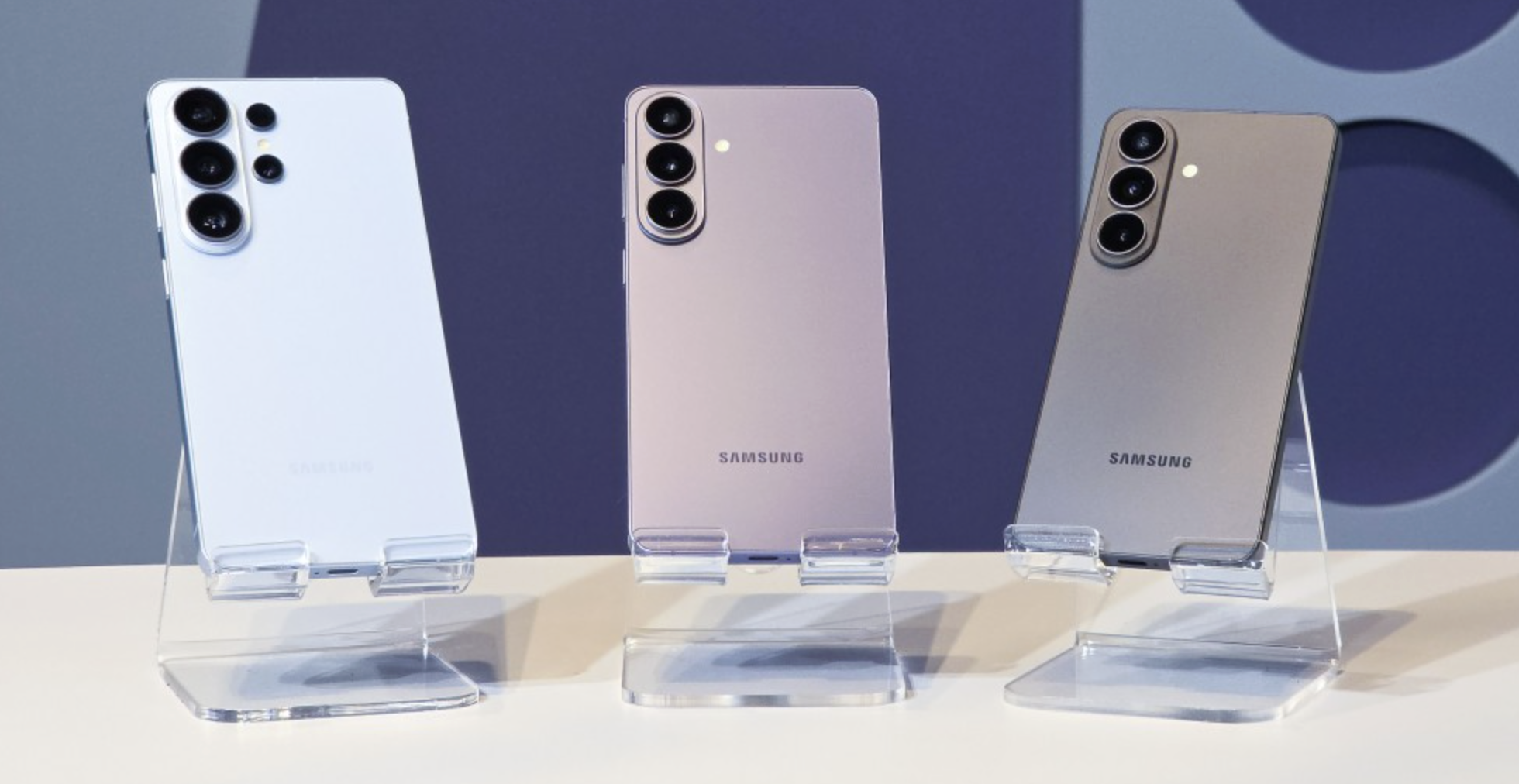

Samsung’s Galaxy S26 series signals a major shift in the way smartphones work. Instead of relying heavily on individual apps, Samsung is pushing an AI-first smartphone experience where intelligent agents can perform tasks automatically across multiple applications. This approach could redefine how users interact with their phones in the coming years.
Smartphones Moving From Apps to AI Assistants
For years, smartphones have revolved around opening apps from the home screen to perform tasks such as ordering food, booking rides, or checking emails. Samsung’s Galaxy S26 aims to change that model by introducing agentic AIwhere AI assistants can carry out tasks directly on behalf of the user.
With this system, users may no longer need to manually navigate through different apps. Instead, they can simply give a command, and the AI agent will handle the process automatically.
For example, a single instruction could allow the phone to:
- Book a ride
- Order food from a nearby restaurant
- Schedule meetings
- Search information online
The AI completes the process by interacting with multiple apps in the background.
Three AI Engines Powering the Galaxy S26
To enable this new experience, Samsung has built a multi-AI system inside the Galaxy S26. The phone simultaneously runs three major AI assistants:
- Google Gemini – Handles complex tasks like bookings, orders, and automation.
- Perplexity AI – Focuses on web search and research-based queries.
- Bixby (revamped) – Works as Samsung’s on-device assistant for device control and contextual actions.
This multi-agent approach allows users to interact with different AI systems depending on the type of task they want to complete.
AI That Can Control Apps Automatically
One of the most significant upgrades in the Galaxy S26 is its ability to control apps automatically. The AI can navigate apps, select options, and complete transactions with minimal user input.
For instance, a user could say:
“Order my usual coffee.”
The AI assistant would open the necessary apps, select the order, and confirm the purchase without the user needing to manually go through each step.
This represents one of the most advanced implementations of cross-app AI automation in smartphones.
A Smarter, Context-Aware Smartphone
Samsung is also adding contextual awareness to its AI assistants. The Galaxy S26 can analyze user behavior, preferences, and daily routines to provide proactive suggestions.
Features like Now Brief and Now Nudge can offer reminders, recommendations, and helpful actions based on the user’s schedule and habits.
This turns the smartphone into a more predictive digital companionrather than just a device that reacts to commands.
The Future of Smartphones
Samsung’s strategy with the Galaxy S26 reflects a broader shift in the smartphone industry toward AI-driven interfaces. Instead of relying on traditional app icons and manual navigation, future smartphones may function more like personal AI assistants capable of completing tasks autonomously.
If this approach succeeds, the familiar grid of apps on smartphone home screens could gradually become less important as AI agents take over everyday digital tasks.
60-Word Summary
Samsung’s Galaxy S26 series signals a major shift in the way smartphones work. Instead of relying heavily on individual apps, Samsung is pushing an AI-first smartphone experience where intelligent agents can perform tasks automatically across multiple applications. This approach could redefine how users interact with their phones in the coming years.
Smartphones Moving From Apps to AI Assistants
For years, smartphones have revolved around opening apps from the home screen to perform tasks such as ordering food, booking rides, or checking emails. Samsung’s Galaxy S26 aims to change that model by introducing agentic AIwhere AI assistants can carry out tasks directly on behalf of the user.
With this system, users may no longer need to manually navigate through different apps. Instead, they can simply give a command, and the AI agent will handle the process automatically.
For example, a single instruction could allow the phone to:
- Book a ride
- Order food from a nearby restaurant
- Schedule meetings
- Search information online
The AI completes the process by interacting with multiple apps in the background.
Three AI Engines Powering the Galaxy S26
To enable this new experience, Samsung has built a multi-AI system inside the Galaxy S26. The phone simultaneously runs three major AI assistants:
- Google Gemini – Handles complex tasks like bookings, orders, and automation.
- Perplexity AI – Focuses on web search and research-based queries.
- Bixby (revamped) – Works as Samsung’s on-device assistant for device control and contextual actions.
This multi-agent approach allows users to interact with different AI systems depending on the type of task they want to complete.
AI That Can Control Apps Automatically
One of the most significant upgrades in the Galaxy S26 is its ability to control apps automatically. The AI can navigate apps, select options, and complete transactions with minimal user input.
For instance, a user could say:
“Order my usual coffee.”
The AI assistant would open the necessary apps, select the order, and confirm the purchase without the user needing to manually go through each step.
This represents one of the most advanced implementations of cross-app AI automation in smartphones.
A Smarter, Context-Aware Smartphone
Samsung is also adding contextual awareness to its AI assistants. The Galaxy S26 can analyze user behavior, preferences, and daily routines to provide proactive suggestions.
Features like Now Brief and Now Nudge can offer reminders, recommendations, and helpful actions based on the user’s schedule and habits.
This turns the smartphone into a more predictive digital companionrather than just a device that reacts to commands.
The Future of Smartphones
Samsung’s strategy with the Galaxy S26 reflects a broader shift in the smartphone industry toward AI-driven interfaces. Instead of relying on traditional app icons and manual navigation, future smartphones may function more like personal AI assistants capable of completing tasks autonomously.
If this approach succeeds, the familiar grid of apps on smartphone home screens could gradually become less important as AI agents take over everyday digital tasks.

Comments are closed.