
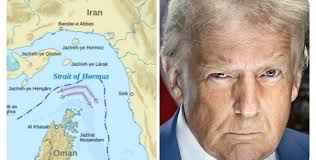

Navigating the waters of international diplomacy is proving to be just as tricky as navigating the world’s busiest oil chokepoints. Currently, the U.S. administration is facing a significant challenge in its efforts to secure the Strait of Hormuz. While President Donald Trump has been pushing for a robust international naval coalition to ensure “freedom of navigation,” the response from global allies has been unexpectedly quiet.
The Strait of Hormuz is essentially the world’s jugular vein for energy. With a huge chunk of the globe’s oil passing through this narrow strip of water, any tension there sends ripples through every gas station and boardroom on the planet.
A Tough Sell for Allies
The goal was simple on paper: bring together a group of powerful nations to patrol the waters and prevent any disruption to oil tankers. However, in practice, many countries are hesitant to sign up. There’s a palpable sense of caution among traditional partners in Europe and Asia. For many, the risk of being pulled into a direct conflict in the Middle East outweighs the immediate benefits of joining a U.S.-led maritime force.
The Strategic Stumbling Block
The reluctance stems from a desire to maintain a balance. While no one wants to see oil shipments blocked, many world leaders are wary of “maximum pressure” tactics. They fear that a massive military presence in the Strait might actually escalate the very tensions it’s supposed to calm. Without the participation of key regional and global players, the plan for a unified naval front remains more of a vision than a reality.
What Happens Next?
For the Trump administration, this lack of immediate support is a significant hurdle. It puts the burden of security squarely back on U.S. shoulders, which contrasts with the broader goal of shared responsibility. As diplomatic talks continue behind closed doors, the world is watching closely. The stability of global energy markets depends on whether a middle ground can be found between securing the seas and avoiding an all-out diplomatic crisis.
Read More: The Strait of Hormuz Standoff A Major Strategic Hurdle for the White House

Comments are closed.