
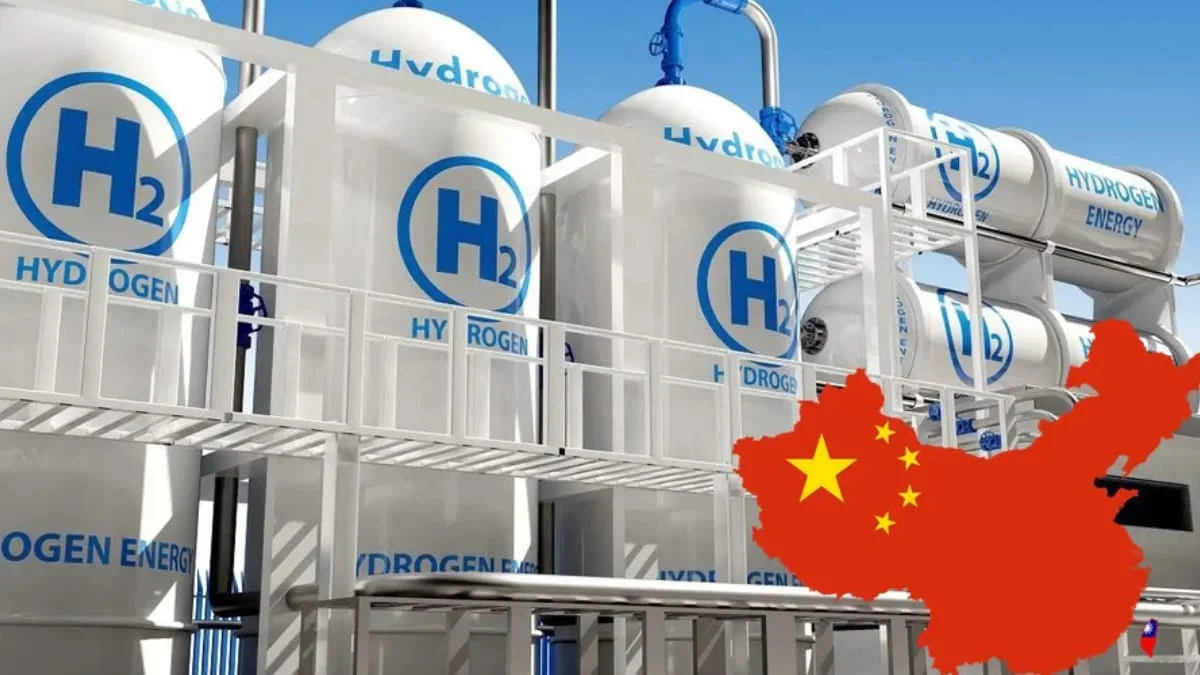
China accelerates its hydrogen transport strategy with an ambitious national target for fuel cell vehicles by 2030

China’s plan to expand the number of fuel cell vehicles to one hundred thousand nationwide by 2030 represents a significant milestone in the country’s long-term transition toward clean energy transportation and advanced industrial policy. The target, announced through a policy circular jointly issued by several government departments, including the Ministry of Industry and Information Technology, signals a deliberate attempt to accelerate the commercialisation of hydrogen energy technologies within the broader framework of China’s climate strategy and industrial modernisation agenda. While the numerical objective itself appears modest when compared with the scale of China’s electric vehicle sector, its legal and strategic implications extend deeply into the evolving architecture of global energy governance, environmental regulation, and technological competition.
The policy initiative must be understood within the context of China’s wider legislative commitment to achieving carbon peaking before 2030 and carbon neutrality by 2060. These objectives have been embedded within national economic planning frameworks and reinforced through a growing body of environmental legislation designed to promote low-carbon development. The transition toward hydrogen fuel cell vehicles, therefore, reflects not merely an industrial ambition but a legal and regulatory transformation intended to reduce reliance on fossil fuels and to support sustainable economic growth.
Hydrogen energy occupies a distinctive position within the clean energy ecosystem because it offers the potential to decarbonise sectors that are difficult to electrify through conventional battery technologies. Heavy duty transport, long distance logistics and certain industrial applications require energy systems capable of delivering high power density and rapid refuelling cycles. Fuel cell vehicles powered by hydrogen can address these requirements while producing water vapour rather than carbon emissions as their primary by product. For China, which possesses the world’s largest freight transport network and one of the most extensive logistics sectors, the development of hydrogen powered vehicles presents a pathway for reducing emissions while maintaining economic efficiency.
The legal framework supporting this transition involves a combination of national planning directives, industrial subsidies and regulatory standards governing hydrogen production, storage and transportation. The Ministry of Industry and Information Technology plays a central role in coordinating these policies by establishing technical standards for vehicle manufacturing and by guiding the development of supply chains capable of supporting hydrogen fuel distribution. Other government agencies are responsible for safety regulations and environmental compliance, ensuring that hydrogen infrastructure is deployed in a manner consistent with national energy security and environmental protection laws.
International legal considerations also influence the development of hydrogen mobility in China. Global climate agreements have increasingly encouraged countries to adopt technologies that reduce greenhouse gas emissions from transportation and industry. Although hydrogen fuel cell vehicles remain at an early stage of global deployment, they are widely regarded as an important component of the long term decarbonisation strategies pursued by major economies. China’s investment in hydrogen transport therefore reflects not only domestic policy priorities but also its intention to participate actively in shaping the emerging global market for clean energy technologies.
From an economic perspective the target of one hundred thousand fuel cell vehicles represents an attempt to build an industrial ecosystem that encompasses hydrogen production, fuel cell manufacturing and infrastructure development. Large scale deployment requires significant investment in refuelling stations, specialised pipelines and research facilities capable of improving fuel cell efficiency and durability. Government policy frameworks therefore seek to create favourable conditions for both state owned enterprises and private companies engaged in hydrogen technology development.
The geopolitical dimension of hydrogen energy should not be underestimated. As the global energy system gradually shifts away from fossil fuels, countries are competing to establish leadership in emerging clean technologies that will define the next generation of industrial power. China’s push to expand its fuel cell vehicle fleet signals its determination to secure a competitive position in this evolving technological landscape. By integrating hydrogen mobility into its broader development strategy, Beijing aims to strengthen its manufacturing capabilities while contributing to global efforts to address climate change.
Ultimately the announcement of a national target for hydrogen fuel cell vehicles reflects the intersection of environmental law, industrial policy and international cooperation. It demonstrates how governments are increasingly using regulatory frameworks to guide technological transformation in pursuit of long term sustainability goals. As China advances its hydrogen economy strategy, the legal structures that govern innovation, environmental protection and market development will play a decisive role in determining how effectively this ambitious vision can be realised.

Comments are closed.