
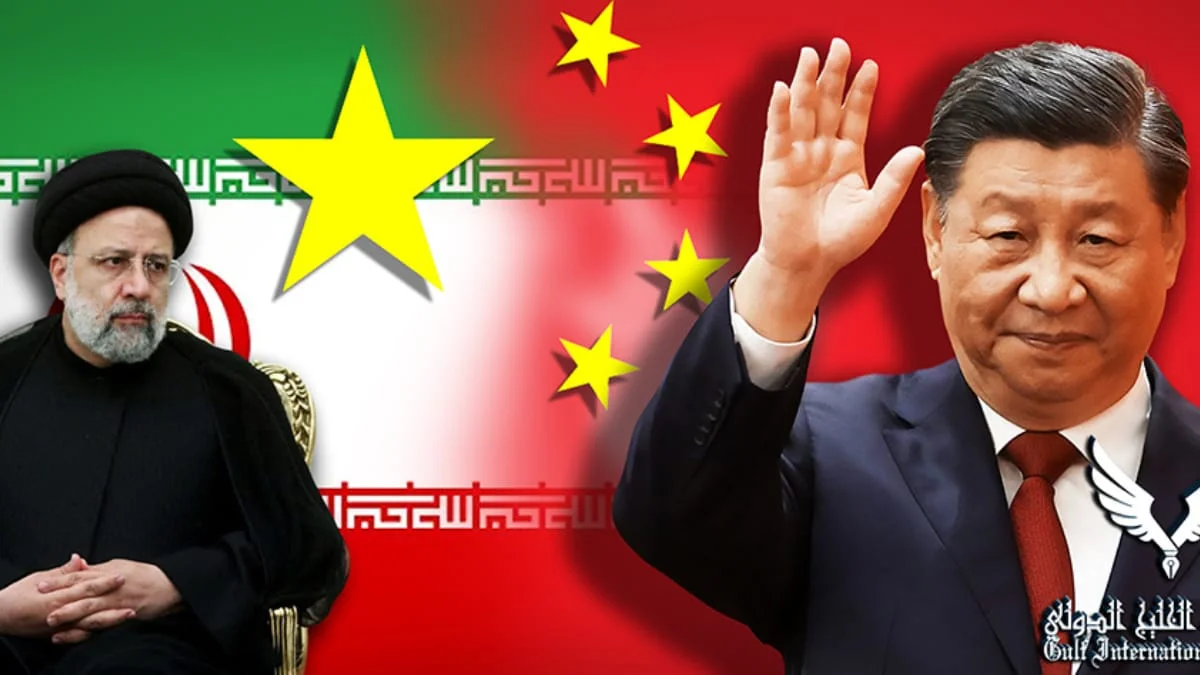
China urges an immediate halt to military operations, warning that regional escalation threatens global economic stability

China has once again called upon all parties involved in escalating regional tensions to immediately halt military operations and prevent further deterioration of the security environment, warning that continued conflict could trigger serious consequences for global economic stability. The appeal reflects a broader diplomatic posture in which Beijing positions itself as a proponent of restraint and negotiated settlement within the framework of international law. At a time when geopolitical crises increasingly intersect with economic vulnerabilities, China’s statement highlights how regional military confrontations can rapidly extend beyond the battlefield to disrupt international markets, energy supply chains, and the fragile architecture of global economic governance.
The legal context underlying such appeals is deeply rooted in the foundational principles of the United Nations Charter, which governs the conduct of states in matters relating to peace and security. Article 2 of the Charter establishes a general prohibition on the threat or use of force against the territorial integrity or political independence of any state. This provision represents one of the central pillars of the modern international legal order and has served for decades as the normative basis for evaluating the legality of military action. China’s call for an immediate cessation of hostilities aligns with this principle by emphasising that disputes should be resolved through peaceful means rather than through prolonged armed confrontation.
The Charter also provides mechanisms through which the international community may address threats to peace. The United Nations Security Council holds primary responsibility for maintaining international peace and security and possesses the authority to adopt binding resolutions that can mandate ceasefires, impose sanctions, or authorise peacekeeping operations. In practice, however, geopolitical divisions among major powers often limit the Council’s capacity to act decisively in moments of crisis. When such institutional constraints arise, diplomatic initiatives by influential states become an alternative avenue for promoting de-escalation.
China’s position reflects its long-standing foreign policy doctrine emphasising the principles of sovereignty, territorial integrity, and non-intervention in the internal affairs of other states. These principles form a core element of China’s interpretation of international law and have consistently guided its responses to conflicts in different regions of the world. By urging all parties to exercise restraint and to halt military operations, Beijing reinforces the argument that stability in international relations should be maintained through dialogue, negotiation, and multilateral engagement.
Beyond the legal dimension, China’s warning regarding the economic consequences of continued escalation underscores the increasingly interconnected nature of the global economy. Regional conflicts often disrupt critical infrastructure and transport routes that underpin international trade. In particular, military tensions in energy producing regions frequently generate volatility in global oil and gas markets. Such fluctuations can rapidly translate into rising fuel prices, increased transportation costs and inflationary pressure on national economies. As one of the world’s largest trading nations and energy importers, China possesses a strong interest in preventing geopolitical crises from destabilising global supply chains.
Financial markets also respond sensitively to geopolitical uncertainty. Armed conflicts can trigger fluctuations in currency markets, stock exchanges and commodity prices as investors seek to reassess risk in an environment characterised by unpredictable political developments. For economies heavily integrated into international trade networks, such instability can undermine economic growth and weaken investor confidence. China’s call for restraint therefore reflects not only diplomatic concern but also a pragmatic recognition that economic stability depends heavily on the preservation of peace and security in strategically important regions.
Another dimension of the issue involves the evolving relationship between geopolitical competition and economic interdependence. While major powers increasingly compete for technological leadership and strategic influence, their economies remain deeply interconnected through trade, finance and supply chains. Escalating military tensions risk undermining these connections by introducing uncertainty into markets that rely on predictable conditions for investment and commerce. China’s emphasis on preventing further escalation therefore highlights the delicate balance between political rivalry and economic cooperation that characterises contemporary international relations.
The appeal for an immediate halt to military operations ultimately illustrates the enduring relevance of international legal norms in an era marked by complex geopolitical competition. Although enforcement mechanisms within the international system remain imperfect, the principles embedded in the United Nations Charter continue to shape diplomatic discourse and provide a framework through which states articulate their positions on conflict and peace. China’s intervention reflects an effort to reaffirm these norms while drawing attention to the broader consequences that regional instability can impose on the global economy.
As the international community confronts a period of heightened geopolitical tension, the intersection between security and economic stability has become increasingly evident. Military escalation in one region can rapidly transmit shockwaves across financial markets and supply chains that sustain the global economy. In this context diplomatic appeals for restraint are not merely rhetorical gestures but part of a broader effort to preserve the fragile equilibrium upon which international prosperity depends.

Comments are closed.