
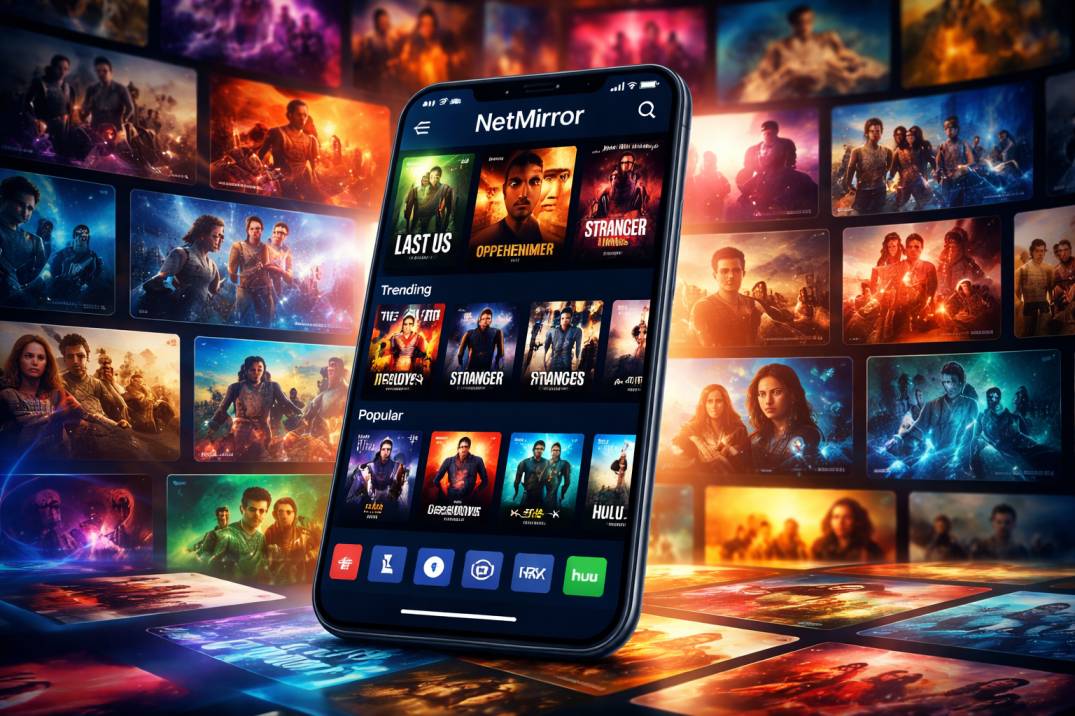

Streaming used to mean a simple choice. A viewer opened a subscription service, picked a film or series, pressed play, and that was the end of it. Over time that simplicity faded. As more companies launched their own streaming platforms, films and television series spread across dozens of services. A show available on one platform might disappear the next month and reappear somewhere else. Viewers began spending as much time searching as watching.
Into that confusion stepped a new category of apps designed to act as guides to the streaming world. One of the names that has surfaced in recent years is NetMirror. The app sits at an unusual intersection between convenience, legality, and online safety. It promises to help users find where films and shows can be watched, yet it is also frequently linked with debates around piracy and unlicensed content.
NetMirror first appeared around 2023 under a different name, Netflix Mirror APK. The early version circulated mainly through third-party websites and Android package downloads. By 2024 it adopted the NetMirror name, a change that appeared to reflect attempts to move away from a direct association with one specific streaming service.
The basic idea behind NetMirror is simple. Instead of functioning as a streaming service itself, the app presents a catalogue of films and series and shows where those titles might be available. When a user taps on a title, the app can display information such as cast members, plot summaries, ratings, and viewing options. In theory, the user then chooses where to watch the title through an external service.
Many streaming guide apps already exist. Services like JustWatch or Reelgood perform similar roles by helping users locate content across different subscription platforms. NetMirror tries to perform a comparable function but often appears outside official app marketplaces, which is where concerns begin to appear.
The app is usually distributed as an APK file rather than through a major store. Installing it requires enabling installations from unknown sources on an Android device. That extra step is routine in parts of the mobile software world, yet it also introduces risk. Files hosted on unofficial sites can be altered, repackaged, or bundled with unwanted code.
Security researchers often warn that such downloads create openings for malware or tracking scripts. Even when the original app is harmless, the route used to distribute it may not be secure. That distinction becomes difficult for many users to identify because the interface itself often looks polished and professional once installed.
NetMirror’s interface follows a style that many viewers will recognize. Titles appear in rows grouped by popularity, release year, or genre. Selecting a title opens a page with trailers, cast lists, ratings, and summaries. The design resembles a typical streaming catalogue, which makes it familiar for users already comfortable with subscription platforms.
The app also offers a watchlist that can function without creating an account. Users who log in can synchronize their lists across devices. Parents can filter titles based on age ratings, which simplifies browsing for families. The overall layout emphasizes speed. Searches happen quickly, and information loads without the heavy menus common in many entertainment apps.
Yet the central issue surrounding NetMirror is not design. It is legality.
Many versions of the app claim to give access to films and series from services such as Netflix, Amazon Prime Video, Disney+ Hotstar, or HBO Max. Some websites promoting the app describe it as a free way to watch premium content without subscriptions. Those claims immediately raise copyright concerns.
Streaming rights are tightly controlled by studios and distributors. Platforms pay large licensing fees to host content. When an outside app presents the same content for free without agreements in place, it enters a legal grey area or, in many cases, clear violation of copyright law.
The developers behind NetMirror have at times claimed that the app merely links users to content rather than hosting the videos directly. That distinction matters in legal debates. Linking to content can sometimes fall under different rules than storing or transmitting the video itself. Still, authorities and copyright holders often argue that directing users to unlicensed streams contributes to piracy.
Because of this, NetMirror and similar apps frequently change domains or distribution channels. Several websites associated with the app have appeared under slightly different addresses. This pattern is common among services operating in legal uncertainty. When one domain is removed or blocked by internet providers, another often appears.
Reliability can therefore become an issue. Users have reported periods when the app fails to load content or displays empty pages. Such instability often occurs when servers move or when access points are restricted in certain regions.

Comments are closed.