
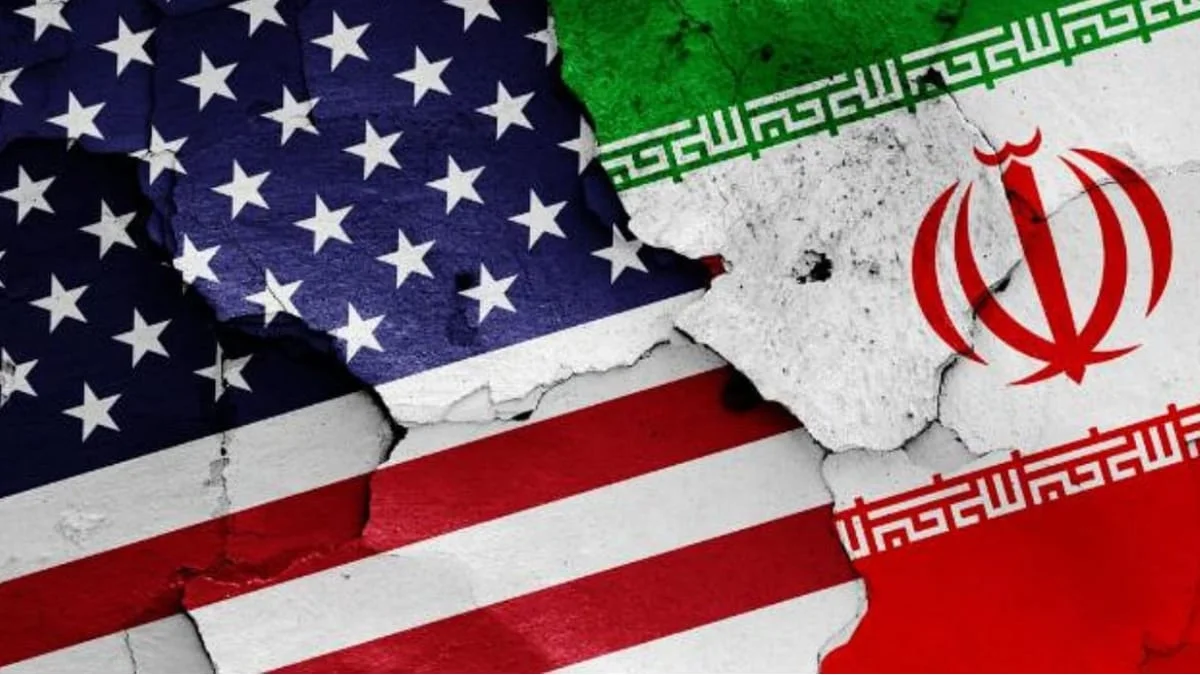
Escalating United States-Israel-Iran confrontation raises profound legal questions over the use of force and regional security

The continuing confrontation involving the United States, Israel, and Iran has entered its sixteenth day amid intensifying rhetoric and military pressure that risks pushing the Middle East toward a broader regional conflict. Statements from officials in Washington and Tel Aviv signalling the possibility of prolonged attacks against Iran have been met by sharp warnings from Tehran, including threats directed at Israeli Prime Minister Benjamin Netanyahu. As tensions deepen, the crisis is no longer confined to the immediate military theatre but has evolved into a complex international legal and geopolitical confrontation whose consequences extend far beyond the region itself.
At the heart of the legal debate lies the fundamental principle governing the use of force in international relations as established by the United Nations Charter. Article 2 of the Charter prohibits states from employing force against the territorial integrity or political independence of other states. This prohibition remains the cornerstone of the modern international legal order. Only two recognised exceptions exist within the Charter framework. The first involves collective action authorised by the United Nations Security Council when it determines that international peace and security are under threat. The second concerns the inherent right of individual or collective self-defence under Article 51 when a state has suffered an armed attack.
In the present confrontation the legal justification for military operations has become the subject of intense debate among international law scholars and diplomatic observers. Governments engaging in military actions frequently invoke the doctrine of self defence to legitimise the use of force, arguing that threats posed by adversaries justify pre emptive or retaliatory operations. Critics within the international legal community caution that expanding interpretations of self defence risk undermining the strict limitations envisioned by the Charter. The challenge lies in determining whether military actions are responding to an actual armed attack or whether they are based on broader strategic calculations concerning perceived threats.
The rhetoric emerging from Tehran also raises complex legal considerations regarding threats directed at political leaders. Under international humanitarian law and customary international legal principles, the targeting of civilian leadership during armed conflict remains highly controversial. While military leaders involved directly in hostilities may constitute lawful targets under certain circumstances, the deliberate assassination of political figures often generates significant legal and diplomatic repercussions. Threats against the life of a sitting head of government can escalate tensions and further complicate diplomatic efforts aimed at de escalation.
Beyond the immediate legal questions surrounding the use of force, the conflict has significant implications for regional stability and global economic security. Iran occupies a pivotal position within the global energy system due to its vast reserves of oil and natural gas as well as its proximity to the Strait of Hormuz, a strategic maritime corridor through which a substantial proportion of the world’s petroleum exports are transported. Any prolonged military confrontation involving Iran risks disrupting energy flows through this vital passage, thereby influencing global oil prices and affecting economic stability across multiple continents.
The geopolitical ramifications extend into the broader architecture of international diplomacy. The United Nations Security Council traditionally functions as the primary forum for addressing threats to international peace and security. Yet geopolitical divisions among major powers frequently hinder the Council’s ability to reach consensus on binding resolutions during crises involving strategically significant states. As a result the international community often relies on diplomatic mediation and bilateral negotiations to prevent conflicts from escalating into wider regional wars.
For countries closely integrated into global trade and energy markets the consequences of sustained military confrontation are far reaching. Energy price volatility can generate inflationary pressures that affect transportation, manufacturing and household costs around the world. Financial markets respond swiftly to geopolitical instability, with fluctuations in commodity prices and investment flows reflecting investor perceptions of risk. In this context the unfolding confrontation between the United States, Israel and Iran represents not only a regional security challenge but also a potential catalyst for wider economic disruption.
The ongoing crisis therefore illustrates the fragile balance between strategic rivalry and the legal norms designed to regulate international behaviour. The United Nations Charter was constructed with the intention of preventing the recurrence of large scale interstate warfare by establishing clear restrictions on the use of force. However the complexity of modern geopolitical competition often tests the resilience of these legal principles. As the confrontation continues, the international community faces the difficult task of encouraging restraint while preserving the authority of the legal frameworks that underpin global peace and security.
Ultimately the trajectory of the conflict will depend on the interplay between military strategy, diplomatic engagement and the enduring influence of international law. Whether the parties involved choose escalation or negotiation will shape not only the future stability of the Middle East but also the credibility of the international legal order that governs the use of force in the contemporary world.

Comments are closed.