
Does the U.S.–Iran war give Russia strategic advantages? Everything to know about Keir Starmer’s warning

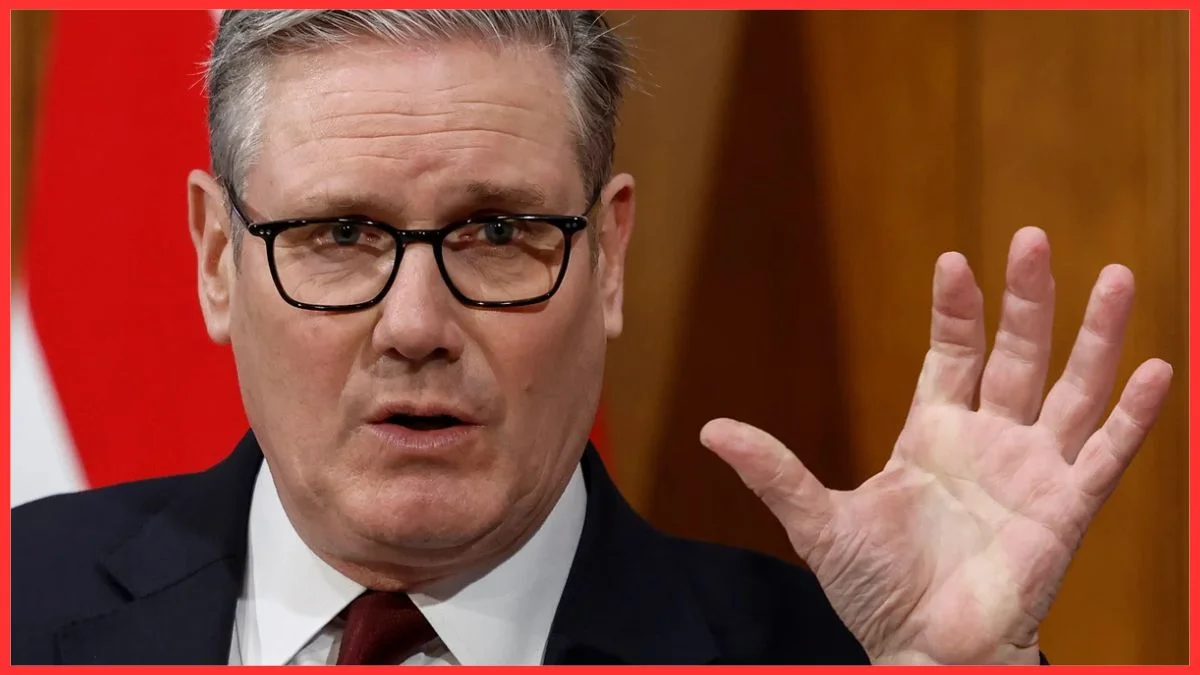
Keir Starmer faced mounting diplomatic pressure following remarks from Donald Trump urging greater Western involvement in securing the Strait of Hormuzyet the British prime minister indicated during a morning press conference that the United Kingdom would not immediately deploy a naval vessel to the region. According to statements reported from the briefing, Starmer described the decision as complex and emphasized that the United Kingdom intended to coordinate with a broad coalition of international partners before committing to any operational role. He indicated that a credible and sustainable plan must precede any intervention designed to safeguard maritime routes. In remarks that observers interpreted as an implicit critique of recent U.S. policy shifts, Starmer cautioned that the ongoing conflict involving Israel and the United States should not inadvertently deliver strategic advantages to Vladimir Putin. He linked this concern to the temporary easing of certain restrictions on Russian oil exports, suggesting that geopolitical instability could strengthen Moscow’s economic position if global energy markets tighten. Starmer further underscored that any military or naval action to reopen or secure the waterway would require a clearly defined legal basis under international law. He stressed that operational clarity and legitimacy were essential prerequisites before committing forces. The prime minister also clarified that the potential operation was not being structured as a mission under the framework of NATOa point widely viewed as a response to earlier comments from Trump suggesting that alliance members should participate more directly in safeguarding the strategic shipping corridor.
Strategic Energy Security, Sanctions Policy, and the Risk of Russian Advantage
The Strait of Hormuz remains one of the world’s most critical maritime chokepoints for global energy trade, making any escalation in the region a matter of significant concern for European and Middle Eastern policymakers. Starmer’s remarks placed emphasis on the legal legitimacy and strategic consequences of intervention, highlighting the delicate balance between securing international shipping lanes and preventing geopolitical outcomes that could strengthen Russia’s position in global energy markets. His comments were delivered through an official press conference and subsequently reported by international media outlets covering the briefing, providing a clear indication of London’s cautious approach to the evolving security environment. By stressing coordination with partners and the need for a legally grounded framework, the British government signaled that decisions surrounding naval patrols in the Strait of Hormuz would be guided by multilateral diplomacy rather than immediate political pressure.

Comments are closed.