
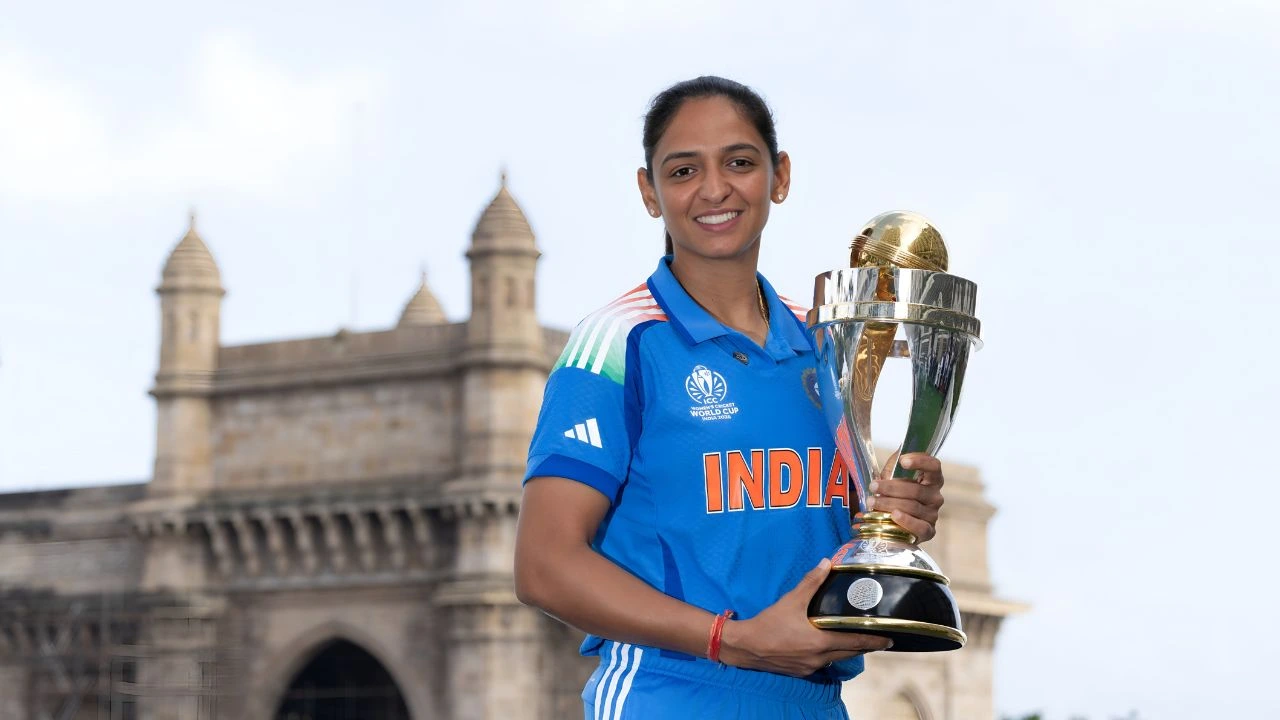

The ICC Womens Championship 2025-2029 officially got underway in February 2026 and it arrives at a moment when women’s cricket has never been more popular.
The Women’s World Cup 2025 in India was the most watched edition of the tournament in history with millions of viewers tuning in as the host nation won their first ever title by beating South Africa by 52 runs in the final at Navi Mumbai.
That tournament changed the conversation around the women’s game in a way that no previous edition had managed and the ICC Womens Championship that now feeds directly into the 2029 World Cup qualification process is bigger and more competitive than any cycle that has come before it.
There is a new team in the mix for the first time in this ICC Womens Championship cycle, some changes to how the qualification pathway works and a set of early results that have already produced a few surprises.
What is different about this ICC Womens Championship 2025-2029 cycle
The most significant structural change in ICC Womens Championship is the expansion from ten teams to eleven. Zimbabwe have been added to the Championship for the first time in its history joining the ten permanent members of Australia, India, England, South Africa, New Zealand, West Indies, Pakistan, Sri Lanka, Bangladesh and Ireland.
For Zimbabwe it means 24 guaranteed ODIs over four years against top level opposition in this ICC Womens Championship cycle which is exactly the kind of consistent exposure that helps emerging nations develop into genuine contenders over time.
The format itself remains the same demanding test of consistency it has always been. Each team plays eight series across the four year cycle, four at home and four away, with each series consisting of three ODIs.
Teams earn two points for a win and one for a tie or no result. The top seven ranked teams at the end of the ICC Womens Championship cycle plus the World Cup 2029 host will qualify directly for the ten team tournament. The bottom three will go in this cycle through a global qualifier for a final chance.
The cycle runs from February 2026 to April 2029 which means four years of cricket with direct World Cup qualification on the line throughout.
Also READ: From Tendulkar to Gill: Past winners of the BCCI’s Best International Cricketer award
The previous ICC Women’s Championship cycle and what it produced
The ICC Womens Championship 2022-2025 cycle ended in January 2025 and it told a clear story about where the power in women’s cricket sat going into the World Cup year. Australia finished at the top of the table winning 18 of their 24 matches and losing just three across the entire three year period.
India finished second on 37 points, England third on 32, South Africa fourth on 25 and Sri Lanka fifth on 22. New Zealand squeezed through in sixth place on 21 points, level on points with Bangladesh but ahead on net run rate in one of the tighter finishes the ICC Womens Championship has produced.
West Indies, Pakistan, Ireland and Bangladesh all had to go through a separate qualifier tournament with Pakistan and Bangladesh eventually claiming the last two World Cup spots.
The standout performers across the ICC Womens Championship cycle were both Indians. Smriti Mandhana scored 1358 runs to finish as the leading run-scorer of the entire Championship and was the anchor around which India’s rise to second in the rankings was built.
Deepti Sharma finished as the leading wicket-taker with 42 wickets and then went on to be the hero of the World Cup final itself taking 5 for 39 and scoring 58 in the same match.
South Africa’s Laura Wolvaardt set a new all-time record for the most runs in a single World Cup edition with 571 runs across the tournament which was an extraordinary individual performance in a losing cause.
Early ICC Women’s Championship standings and what has happened so far
The ICC Women’s Championship 2025-2029 cycle has been running for just over a month and the early results have produced some movement worth noting. New Zealand lead the standings after sweeping Zimbabwe 3-0 in their opening series and sit on six points.
South Africa are second on four points after beating Pakistan 2-1. Sri Lanka are third also on four points after winning a hard fought away series in the West Indies. West Indies and Pakistan are both on two points each having each won one game in their opening series.
The biggest names in the ICC Women’s Championship competition have not started yet. India, Australia and England have not played any fixtures in this ICC Women’s Championship cycle which means the standings will look very different once those three begin their campaigns.
Australia’s schedule for this cycle is particularly demanding with the ICC bundling Championship ODIs into multi-format tours. They have scheduled two separate multi-format series against India, England and South Africa respectively which will be the marquee fixtures of the next four years. A tri-series involving England, India and New Zealand has also been added to the calendar ahead of the 2026 T20 World Cup.
Why this ICC Women’s Championship cycle matters more than any previous one
The World Cup 2025 changed the conversation around women’s cricket in a way that previous tournaments had not. India winning on home soil in front of record crowds and 500 million viewers created a commercial and cultural moment that the ICC is now trying to build on.
The funding for associate members has been increased by ten percent for 2026 as a direct result of the World Cup’s success and Zimbabwe’s inclusion in the Championship is part of the same push to close the gap between the established nations and the rest of the world.
For the teams at the top the next four years represent both an opportunity and a challenge. Australia remains the standard against which everyone else is measured. India will arrive as Women’s world champions for the first time with the momentum of a home World Cup win behind them. England and South Africa will be pushing hard for the top spots throughout.
And New Zealand, who came within a net run rate calculation of missing the last World Cup entirely, have made the most emphatic possible start to the new ICC Womens Championship cycle by winning their first three games. The 2029 World Cup qualification race has already begun and four years in women’s cricket can change everything.

Comments are closed.