
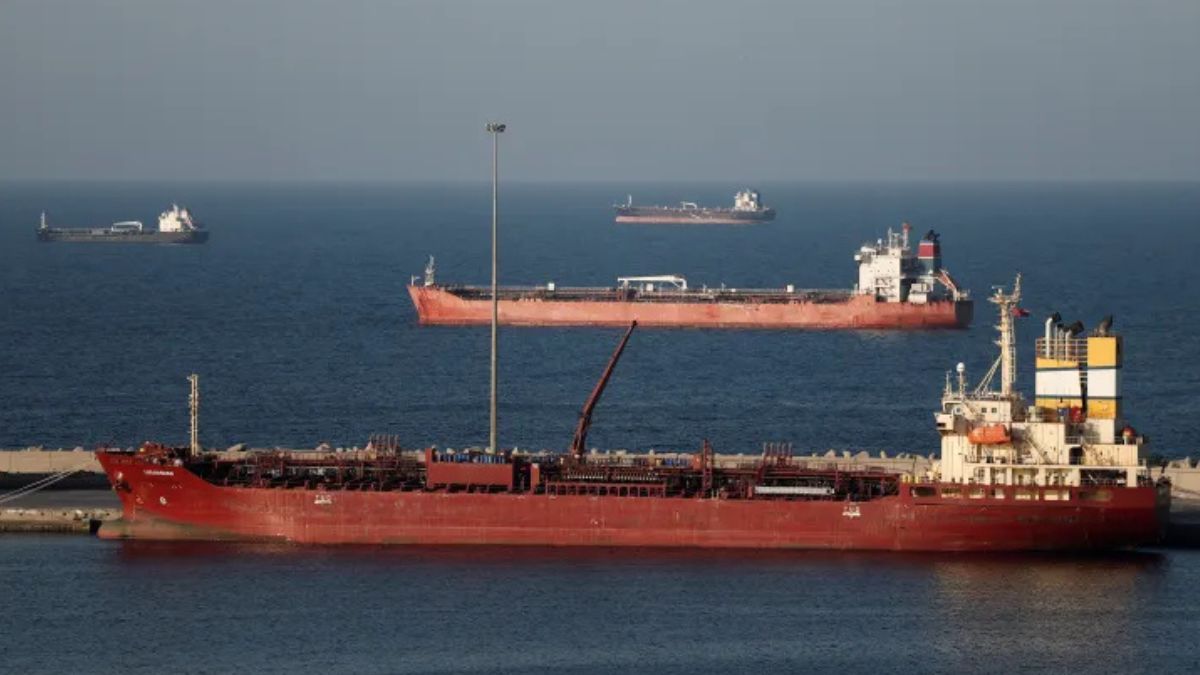

Iran’s Foreign Ministry has announced plans to introduce new rules governing the passage of ships through the Strait of Hormuz once the ongoing conflict ends. This development comes amid heightened tensions in the region, where the strategic waterway has faced significant disruptions due to the war involving Iran, the United States, and Israel.
Background on the Strait of Hormuz Crisis
The Strait of Hormuz is one of the world’s most critical maritime chokepoints, facilitating the transit of approximately 20% of global oil supplies and a substantial portion of liquefied natural gas (LNG). Located between Iran and Oman, the narrow strait connects the Persian Gulf to the Gulf of Oman and the Arabian Sea.
In the context of the 2026 conflict, Iran has imposed tight controls on shipping. Iranian officials, including Foreign Minister Abbas Araghchi and Foreign Ministry spokespersons, have repeatedly stated that the strait remains open but under strict Iranian oversight. Ships must coordinate with Iran’s armed forces or navy for safe passage, with exceptions granted selectively to vessels from certain countries (such as India, China, and others not deemed hostile). U.S. and Israeli-linked ships have been explicitly barred, and the Islamic Revolutionary Guard Corps (IRGC) has enforced restrictions, leading to attacks on some vessels, mining concerns, and a sharp reduction in traffic.
These measures have caused major disruptions:
- Hundreds of tankers and cargo ships have been delayed or rerouted.
- Oil prices have surged due to supply fears.
- Global economies face risks from energy shortages and higher shipping costs.
Iran’s Statement on Post-War Rules
According to recent statements attributed to the Iranian Foreign Ministry, Tehran intends to establish updated regulations for ship transits through the Strait of Hormuz after the war concludes. While exact details of these new rules remain unspecified, they are expected to build on the current framework of coordination, security clearances, and selective permissions.

Comments are closed.