
Why is Iran demanding compensation from the UAE which is raining drones and missiles on it? Understand the truth of ‘double game’ in the Middle East

A surprising development has come to light amidst the ongoing tension in the Middle East. on one side iran On the other hand, it is carrying out drone and missile attacks in the Gulf region, on the other hand, it is also demanding compensation from the same United Arab Emirates. This contradiction is being seen not just as a military strategy but as a major move of diplomatic pressure. In fact, Tehran alleges that the UAE has violated international law by allowing its territory to be used for American attacks.
What is Iran accusing UAE of?
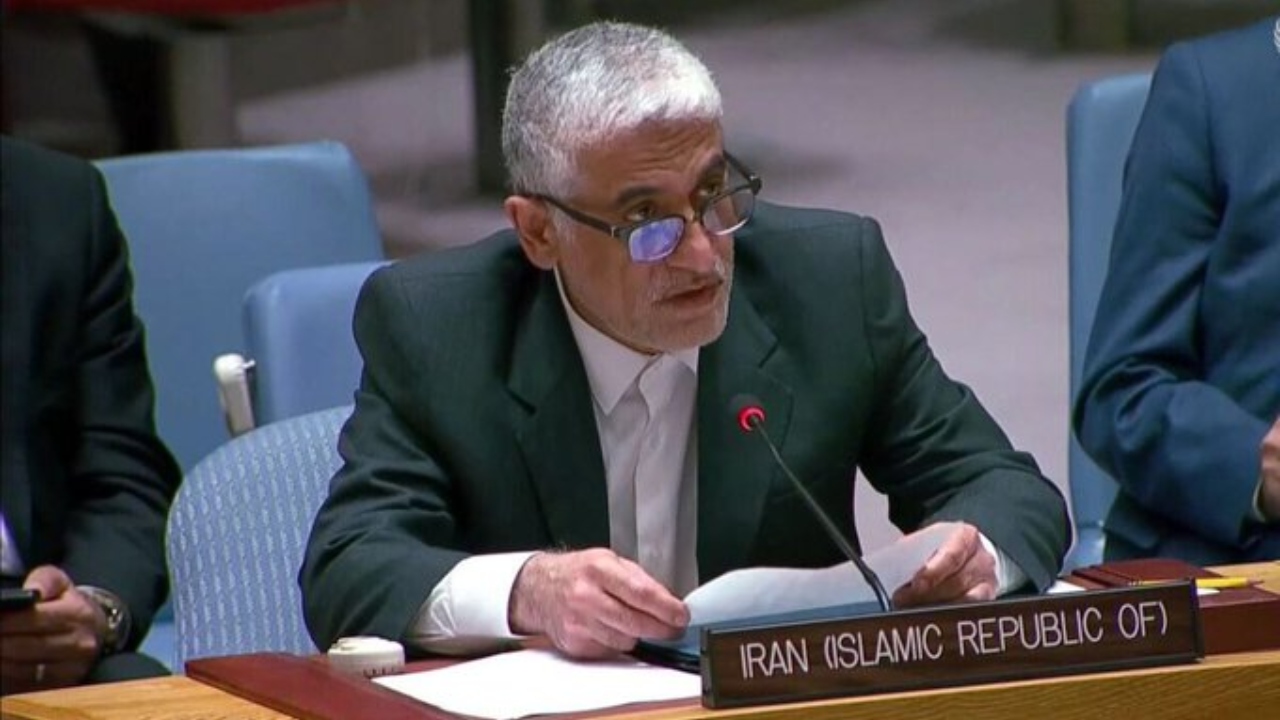
Iran’s Ambassador to the UN Amir Saeed Iravani, who is Iran’s ambassador to the United Nations, has made serious allegations against the UAE in a letter to the Secretary General of the United Nations. Iran says that the UAE allowed its territory to be used for US military action, which is an “Internationally Wrong Act”. According to Tehran, this step directly encourages attacks against Iran and the UAE should be held responsible for this.
What is the basis behind the demand for compensation?
Iran has presented its claim under international law. He says that if a country’s land is used by a third country for a military attack, then that country also bears responsibility. On this basis, Tehran has demanded compensation from the UAE for “physical and moral losses”. This is not just economic compensation, but also a kind of international pressure, due to which the role of UAE can be brought under question on the global stage.
Is this a contradiction or a strategic pressure?
At first glance this situation seems contradictory. Attack on one side, demand for compensation on the other side. But experts consider it as “dual strategy”. On one hand, Iran wants to maintain regional dominance by showing military power, while on the other hand, it is trying to corner UAE and its allies on the diplomatic front. Its purpose is also to send a message that the countries which indirectly stand against it will have to answer at the international level.
What does Ali Larijani’s statement indicate?
Iran’s late security chief Ali Larijani had given a strong message before his death, in which he criticized Muslim countries. He said that “with a few exceptions, no Islamic country stood with Iran.” This statement clearly indicates that Tehran is feeling isolated at the regional level.
Larijani called for continued conflict, calling the United States and Israel “the great devil” and “the little devil.” This also makes it clear that Iran is seeing this conflict not just as a military but also as a fight for ideological and regional supremacy.
What big impact could this have in the Middle East?
The impact of this entire incident is not limited to just Iran and UAE. This may further increase tension in the entire Middle East. If international pressure on UAE increases, a new conflict may start between the Gulf countries. Also, this matter can become a big controversy in the United Nations, where the debate on the issue of international law and sovereignty will intensify.
Will the tension increase further or will there be a diplomatic solution?
At present, the situation indicates that Iran is pursuing its dual strategy, military action and diplomatic pressure. This situation is very complex for the UAE, because on the one hand it has to maintain its security and alliances, and on the other hand it also has to protect itself on the international stage. In the coming days, it will be important to see whether this dispute remains limited to mere rhetoric or takes the form of a major regional conflict.

Comments are closed.